Reina Sofia Museum
Spain's national museum of twentieth-century art, in a former hospital, built around Picasso's Guernica.
Updated 20 October 2026

AI illustration
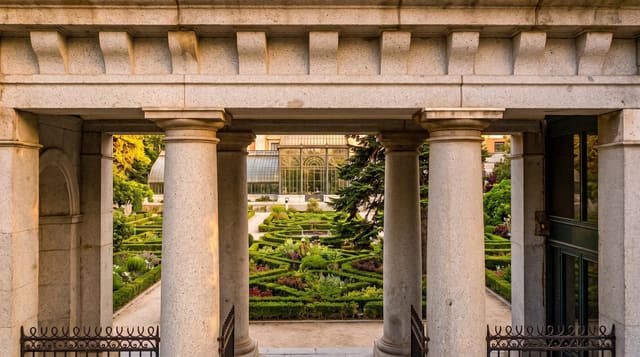
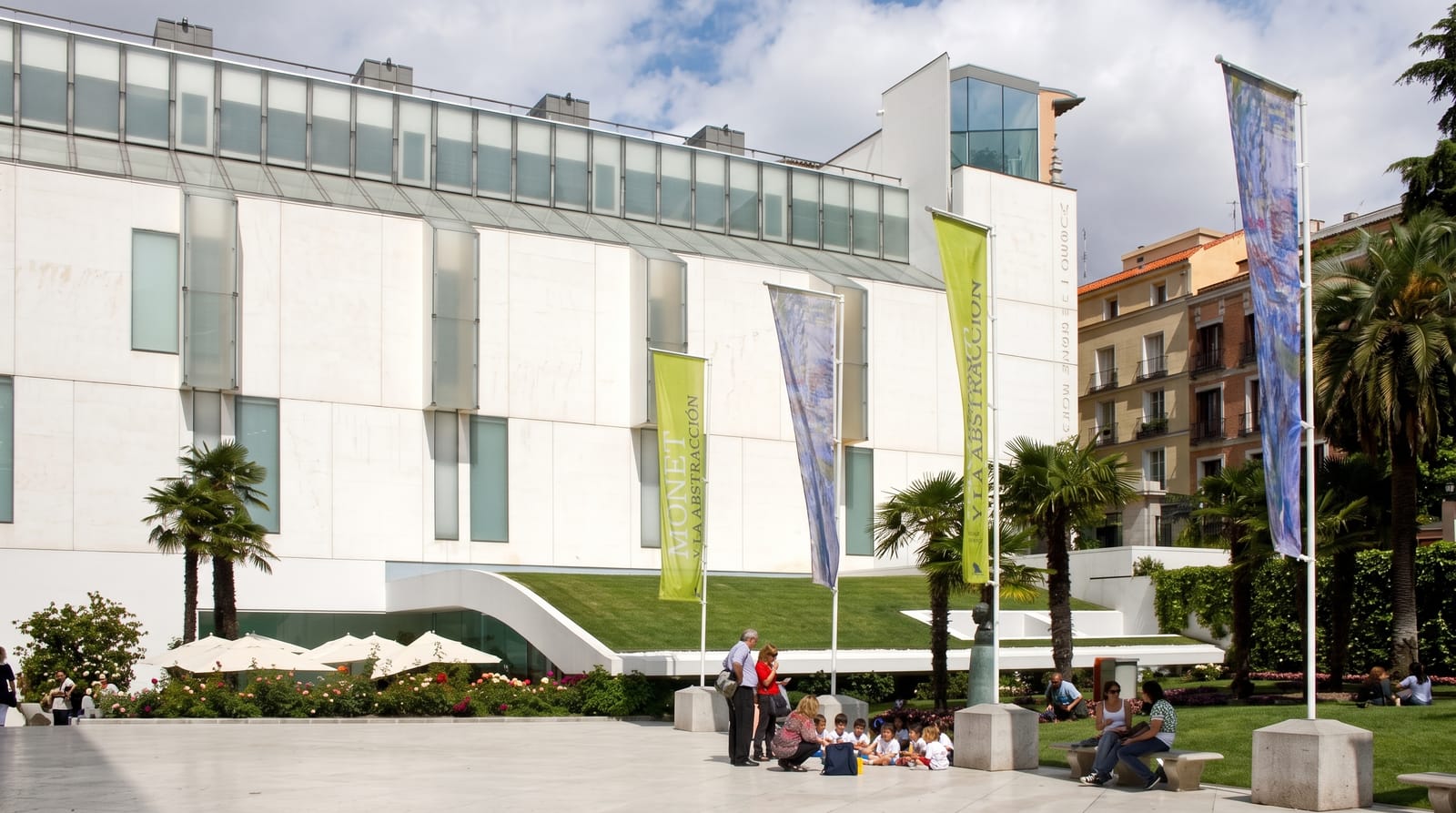
The Reina Sofia occupies an eighteenth-century hospital converted in the 1980s, with glass lift towers added on the front and a red-panelled extension by Jean Nouvel opened in 2005. Its collection runs from the late nineteenth century to the present, and the room that draws most visitors holds Guernica, painted by Picasso in 1937 after the bombing of the Basque town, which hung in New York until 1981; the preparatory sketches hang around it. Beyond that are major holdings of Dali, Miro, Juan Gris, Julio Gonzalez and Antoni Tapies, along with photography, film and a large contemporary programme. The building has a garden courtyard with a Calder mobile.
What's there
- Guernica - Picasso's 1937 painting with its preparatory studies.
- The Dali and Miro rooms - major Surrealist holdings.
- The Nouvel extension - a red-panelled 2005 addition with a courtyard.
- The contemporary galleries - film, photography and recent Spanish art.
When to go
Year-round; the museum is indoors and closes on Tuesdays. Free entry in the last two hours most evenings and on Sunday afternoons brings long queues. The Guernica room is crowded at all times.
What to expect
Photography of Guernica is prohibited and enforced by guards. The building is confusing to navigate between the old hospital and the extension. Free entry periods mean queues that can exceed an hour.
Nearby
The Prado and Thyssen-Bornemisza are a short walk north; Atocha station is next door.
Key facts
Source: Wikidata, item Q460889, read on 18 October 2026.
What to pack for Reina Sofia Museum
Chosen from what this place is for. Tap a kit for the full checklist.
- Comfortable walking shoes - Sightseeing means kilometres of pavement and cobbles daily. Find on Amazon
- A slim anti-theft daypack - Zips that close properly; keep it in front in crowds and on transit. Find on Amazon
- A refillable water bottle - Many cities have public fountains; save money and plastic. Find on Amazon
- A light layer + compact umbrella - For museum air-con and a sudden shower. Find on Amazon
Some links on this page are Amazon affiliate links - if you buy through them we may earn a small commission at no extra cost to you.
All packing kitsPlan your trip
Where to start if Reina Sofia Museum is going on the list.
Booking links on this page are affiliate links - if you book through them we may earn a small commission at no extra cost to you. It never changes what we write about a place.
Opening times, ticket prices and seasonal closures change - check the official source before you go: official site.