Vranje
A southern town of Ottoman-era houses and stone bridges, closely tied to the sevdah songs and the writer Bora Stanković.
Updated 22 October 2026
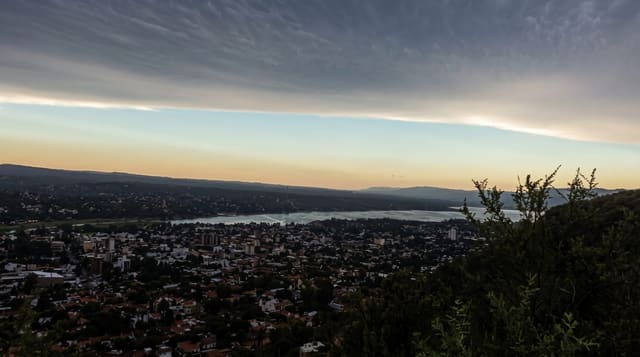
Vranje sits in a valley in the far south and kept an Ottoman character longer than most Serbian towns, which shows in what survives: the Pasha's konak, now the national museum, with rooms arranged around a courtyard, the White Bridge over the Vranjska river with a story of forbidden love attached to it, and the house of Bora Stanković, the writer whose novels and stories fixed the town's atmosphere of longing and old songs in the Serbian imagination. That atmosphere has a soundtrack: Vranje is strongly associated with sevdalinka and with brass and tambura music, and songs naming the town are standards. The Markovo Kale fortress ruin stands on a hill above. Local specialities include the sweet slatko preserves the region is known for.
History
The name is first recorded in an 11th-century Byzantine text, and Anna Comnena's Alexiad mentions the town in 1093. It was under Ottoman rule from 1455 to 1878, and in 2019 it became the first city in the Balkans to be named a UNESCO City of Music (Wikipedia, Vranje).
Highlights
- The Pasha's konak - the Ottoman residence housing the museum.
- The White Bridge - the stone bridge and the legend attached to it.
- Bora Stanković's house - the writer's home kept as a museum.
- Music tradition - the sevdah and brass repertoire tied to the town.
When to go
April to October; summer brings festivals and outdoor music. The museums close on Mondays. Southern Serbia is hot in July and August.
Practical notes
The Ottoman fabric is fragmentary and scattered among ordinary modern buildings. Museums are small with limited English. The town is not geared to visitors and there is little accommodation. Live music is occasional rather than nightly.
Nearby
Vlasina lake lies northeast; Prohor Pčinjski monastery is south.
Key facts
Source: Wikidata, item Q211645, read on 18 October 2026.
What to pack for Vranje
Chosen from what this place is for. Tap a kit for the full checklist.
- Comfortable walking shoes - Sightseeing means kilometres of pavement and cobbles daily. Find on Amazon
- Modest clothing - Shoulders and knees covered - the single most common requirement. Find on Amazon
- A slim anti-theft daypack - Zips that close properly; keep it in front in crowds and on transit. Find on Amazon
- A scarf or shawl - To cover the head or shoulders on entry; women especially at mosques. Find on Amazon
Some links on this page are Amazon affiliate links - if you buy through them we may earn a small commission at no extra cost to you.
All packing kitsPlan your trip
Where to start if Vranje is going on the list.
Booking links on this page are affiliate links - if you book through them we may earn a small commission at no extra cost to you. It never changes what we write about a place.
Opening times, ticket prices and seasonal closures change - check the official source before you go: official site.