Prohor Pčinjski Monastery
A large monastery in the green Pčinja valley of the far south, founded in the eleventh century and rebuilt many times.
Updated 22 October 2026
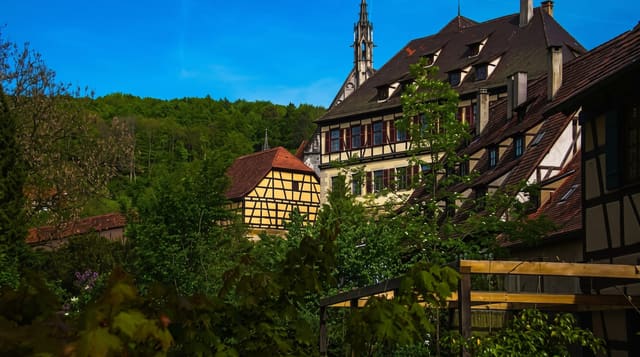
Prohor Pčinjski is among the oldest monastic foundations in the region, traditionally dated to the eleventh century and attributed to the Byzantine emperor Romanos IV Diogenes in fulfilment of a prophecy made by the hermit Prohor. Little of that period survives above ground; the complex as it stands is largely nineteenth century, a large walled compound of konaks around a church that itself contains older fabric and frescoes of several periods, including painting from King Milutin's renovation of the early fourteenth century. The valley setting is green and enclosed, with the Pčinja river below and wooded hills around, and the monastery runs guest accommodation, which makes it one of the more visitable foundations for anyone wanting to stay. A working community lives here.
History
Tradition says Emperor Romanus IV founded the monastery in 1067-1071 in honour of Saint Prohor of Pčinja, who had foretold that he would become emperor, and King Milutin renewed it in the early 14th century, when the frescoes were painted. King Peter I paid for a new residential building in 1913, and the monastery was declared a Monument of Culture of Exceptional Importance in 1979 (Wikipedia, Prohor Pčinjski Monastery).
What you'll find
- The walled compound - konaks and courtyards around the church.
- Layered frescoes - painting of several centuries in the church interior.
- The Pčinja valley - green wooded country enclosing the monastery.
- Monastic guest quarters - accommodation offered to visitors.
When to go
April to October for the valley; the monastery is open year round. Feast days bring crowds. Services take priority and visitors are expected to stay clear of them.
What to expect
Most of what stands is nineteenth century rather than medieval, despite the founding date. Dress codes are enforced and photography inside is generally forbidden. The location is remote, close to the border, with poor public transport. Interpretation is minimal.
Nearby
Vranje lies northeast; Vlasina lake is north.
Key facts
Source: Wikidata, item Q1266402, read on 18 October 2026.
What to pack for Prohor Pčinjski Monastery
Chosen from what this place is for. Tap a kit for the full checklist.
- Comfortable walking shoes - Sightseeing means kilometres of pavement and cobbles daily. Find on Amazon
- Modest clothing - Shoulders and knees covered - the single most common requirement. Find on Amazon
- A slim anti-theft daypack - Zips that close properly; keep it in front in crowds and on transit. Find on Amazon
- A scarf or shawl - To cover the head or shoulders on entry; women especially at mosques. Find on Amazon
Some links on this page are Amazon affiliate links - if you buy through them we may earn a small commission at no extra cost to you.
All packing kitsPlan your trip
Where to start if Prohor Pčinjski Monastery is going on the list.
Booking links on this page are affiliate links - if you book through them we may earn a small commission at no extra cost to you. It never changes what we write about a place.
Opening times, ticket prices and seasonal closures change - check the official source before you go: official site.