Vlasina Lake
A highland reservoir in the far south with floating islands of peat that drift across the water in the wind.
Updated 21 October 2026
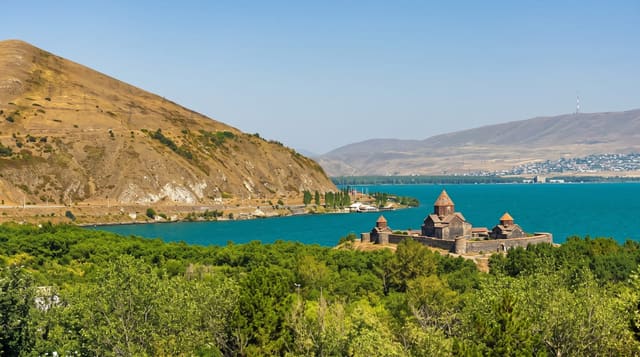
Vlasinsko Jezero was made in 1947-1951 by damming a high peat bog at around 1,200 metres - at sixteen square kilometres the highest and largest artificial lake in Serbia - and when the water rose, sections of the peat floor tore loose and floated, so the lake carries drifting islands of vegetation that move with the wind and can be several hundred square metres in area, some carrying full-grown birch. They are the lake's distinctive feature and are protected. The surroundings are open highland with juniper, blueberry and bog flora, including carnivorous sundews in the remaining peat, and the air is notably clear. A road runs around the shore with hotels and holiday houses at intervals. It is a quiet, cool place, popular with Serbian visitors escaping the summer heat and largely unknown to foreign ones.
The landscape
- Floating peat islands - drifting vegetation rafts on the water.
- Highland bog flora - juniper, blueberry and sundews around the shore.
- The shore road - a circuit with viewpoints and holiday settlements.
- Clear highland air - the cool climate at 1,200 metres.
When to go
May to September; the lake is cold and the region snowbound in winter. July and August are the busiest and warmest, though evenings stay cool at this altitude. Autumn brings colour on the surrounding moors.
Things to know
Swimming is possible but the water is cold year round. The floating islands move unpredictably and may be far from shore on a given day. Accommodation is dated holiday-base style. Getting there means slow mountain roads from any direction.
Nearby
Surdulica lies west; Vranje is southwest.
Key facts
Source: Wikidata, item Q2140169, read on 18 October 2026.
What to pack for Vlasina Lake
Chosen from what this place is for. Tap a kit for the full checklist.
- Reef-safe sunscreen - High SPF that will not bleach the coral you are swimming over. Find on Amazon
- Quick-dry towel - A microfibre towel packs small and dries in minutes. Find on Amazon
- Water shoes - Protect your feet on rocky entries, hot sand and sea-urchin spines. Find on Amazon
- Dry bag - Keeps phone, cash and keys safe while you are in the water. Find on Amazon
Some links on this page are Amazon affiliate links - if you buy through them we may earn a small commission at no extra cost to you.
All packing kitsPlan your trip
Where to start if Vlasina Lake is going on the list.
Booking links on this page are affiliate links - if you book through them we may earn a small commission at no extra cost to you. It never changes what we write about a place.
Opening times, ticket prices and seasonal closures change - check the official source before you go: official site.