Caričin Grad
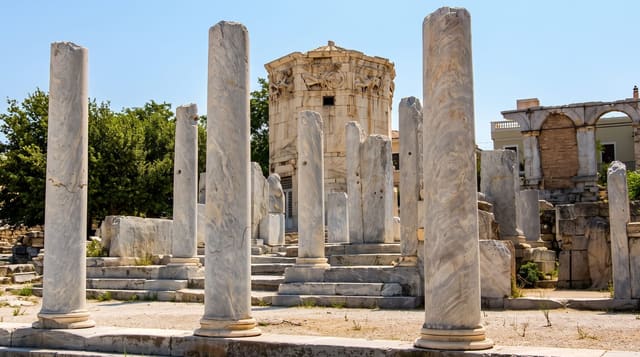
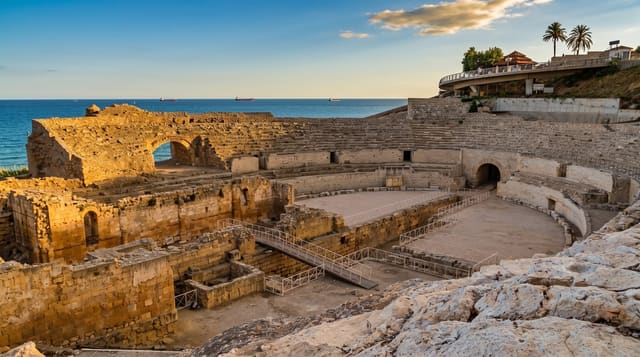
The excavated outline of Justiniana Prima, a Byzantine city built from nothing in the sixth century and abandoned within a hundred years.
Updated 22 October 2026
Caričin Grad is generally identified as Justiniana Prima, the city Justinian founded near his birthplace in the 530s and made an archbishopric, laid out complete with acropolis, cathedral, streets on a planned grid, baths, cisterns and an aqueduct, and then abandoned by the early seventh century when the frontier collapsed. Because it was never reoccupied, the plan survives clearly: excavation has exposed street lines, church foundations with mosaic floors, the circular plaza and the walls, and the whole layout can be read from the ground in a way that is rare. Finds including mosaics are displayed at the site and in the museum at Leskovac. The setting is quiet farmland and the site sees few visitors, so it is usually walked alone.
History
Emperor Justinian I founded the city in 535 on the site of the village of Tauresium, as the seat of a new archbishopric, and Procopius describes how he gave it an aqueduct and ever-running water. The city existed only until about 615, and in 1979 the site was listed as an archaeological site of exceptional importance (Wikipedia, Justiniana Prima).
The main sights
- The planned street grid - the sixth-century layout visible on the ground.
- Basilica foundations - several churches with mosaic floors.
- The acropolis - the fortified upper city and its walls.
- The circular plaza - the distinctive round space at the city's centre.
When to go
April to October; the site is open ground and exposed. Spring and autumn are most comfortable. Winter hours are limited and the ground gets muddy. Excavation seasons run in summer.
Good to know
Everything is at foundation level; there is no standing architecture. Interpretation on site is limited and mostly in Serbian. Mosaics are sometimes covered for protection. Access is by car, as public transport to Lebane is poor and there is nothing from the town to the site.
Nearby
Leskovac lies east; Niš is north.
Key facts
Source: Wikidata, item Q164205, read on 18 October 2026.
What to pack for Caričin Grad
Chosen from what this place is for. Tap a kit for the full checklist.
- Comfortable walking shoes - Sightseeing means kilometres of pavement and cobbles daily. Find on Amazon
- Modest clothing - Shoulders and knees covered - the single most common requirement. Find on Amazon
- A slim anti-theft daypack - Zips that close properly; keep it in front in crowds and on transit. Find on Amazon
- A scarf or shawl - To cover the head or shoulders on entry; women especially at mosques. Find on Amazon
Some links on this page are Amazon affiliate links - if you buy through them we may earn a small commission at no extra cost to you.
All packing kitsPlan your trip
Where to start if Caričin Grad is going on the list.
Booking links on this page are affiliate links - if you book through them we may earn a small commission at no extra cost to you. It never changes what we write about a place.
Opening times, ticket prices and seasonal closures change - check the official source before you go: official site.