Victoria
A hillside town of seven churches above the Paraná wetlands, with a Benedictine abbey on the ridge and a long causeway to Rosario.
Updated 4 September 2026

AI illustration
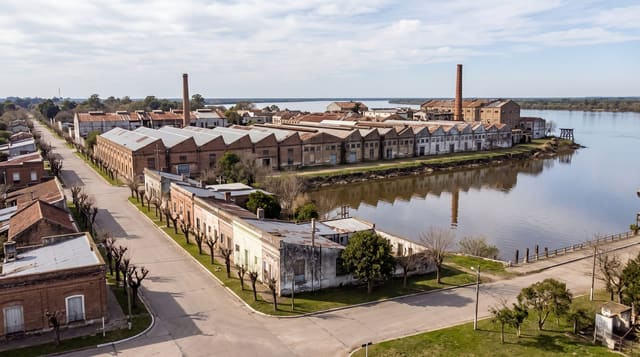
Victoria stands on low hills above the delta wetlands of the Paraná, an unusual position in a flat province, and it is known as the city of seven hills and seven churches, their towers marking the skyline above red-tiled roofs. On a ridge outside town the Abadía del Niño Dios, founded in 1899 as the first Benedictine monastery in Argentina, welcomes visitors to its church and shop, where the monks sell honey, liqueurs and cheeses. Below the town the wetlands stretch away in channels and lagoons, fished for dorado and boliche, and crossed since 2003 by a road connection of causeways and bridges some sixty kilometres long that links Victoria to Rosario across the floodplain.
The main sights
- The Benedictine abbey - the hillside monastery, its church and monastic products.
- The seven churches - towers marking the hills across the town.
- The wetlands - channels, lagoons and islands of the Paraná floodplain.
- The causeway - the long road across the delta toward Rosario.
When to go
April to November for comfortable weather and fewer insects; summer is hot and humid over the wetlands. The abbey keeps set visiting hours and closes for services. Fishing seasons and rules vary, so check locally.
Good to know
The town is quiet with limited services, and its sights amount to a few hours. The wetlands are best seen by boat, which needs arranging in advance. Summer mosquitoes in the floodplain are severe.
Nearby
Paraná lies north; Rosario is reached across the causeway to the southwest.
What to pack for Victoria
Chosen from what this place is for. Tap a kit for the full checklist.
- Travel rod + reel - A packable multi-piece rod fits in a case and covers most holiday fishing. Find on Amazon
- Reef-safe sunscreen - High SPF that will not bleach the coral you are swimming over. Find on Amazon
- Strong insect repellent - DEET or picaridin; the jungle is where bites and disease risk are highest. Find on Amazon
- Comfortable walking shoes - Sightseeing means kilometres of pavement and cobbles daily. Find on Amazon
Some links on this page are Amazon affiliate links - if you buy through them we may earn a small commission at no extra cost to you.
All packing kitsPlan your trip
Where to start if Victoria is going on the list.
Booking links on this page are affiliate links - if you book through them we may earn a small commission at no extra cost to you. It never changes what we write about a place.
Opening times, ticket prices and seasonal closures change - check the official source before you go: official site.