Paraná
The capital of Entre Ríos, set on bluffs above the river with a long green waterfront and a cathedral facing a shaded plaza.
Updated 18 October 2026
AI illustration
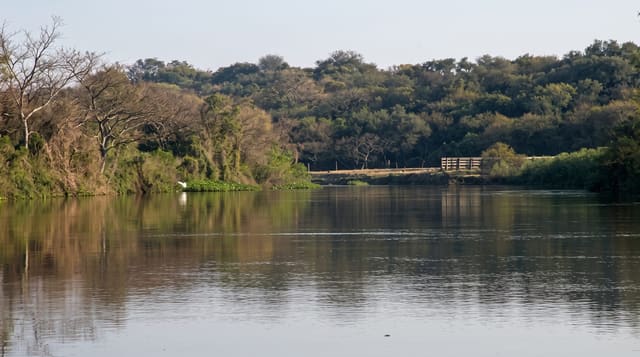
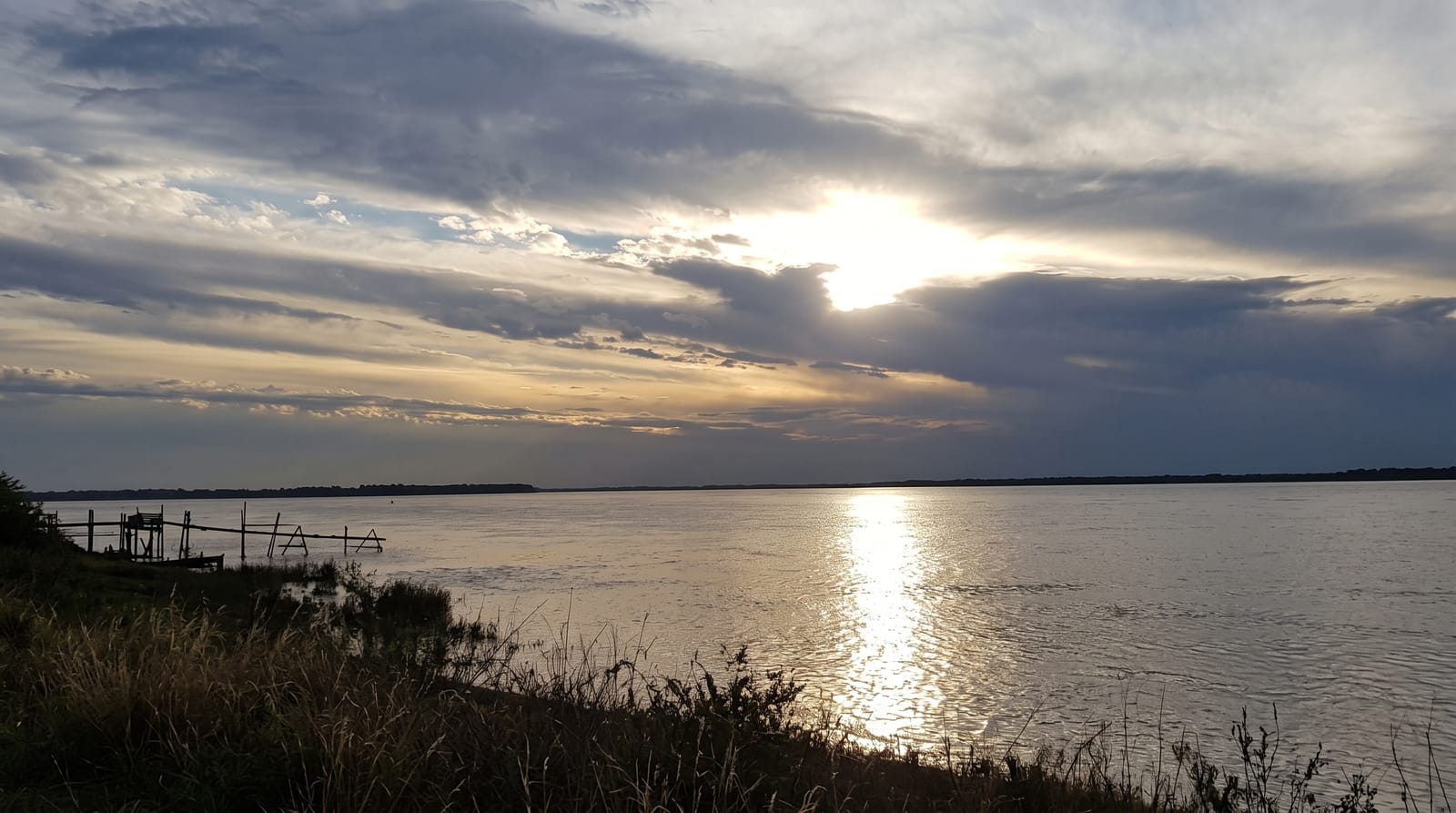
Paraná sits on high ground above the river that gives it its name, which distinguishes it from most cities of the littoral: streets run down to bluffs and then to a costanera of parks, beaches and boat clubs stretching for kilometres along the water. The centre gathers around Plaza Primero de Mayo, faced by the cathedral with its domed profile and arcaded front, with the old government buildings and a provincial museum nearby. Parque Urquiza, laid out on the slope between the centre and the river, is one of the finest urban parks in Argentina, with terraces, an open-air theatre and long views over the water and islands. Boats run to the islands and sandbanks in summer.
History
In 1730 people from Santa Fe, driven out by native raids, settled on the far bank of the Paraná and called the place Baxada del Paraná, the landing, building a fort and huts on today's Plaza Primero de Mayo, and in time they grew strong enough to take the offensive. From 1854 to 1861 the city was the capital of the Argentine Confederation (Wikipedia, Paraná, Entre Ríos).
The main sights
- Parque Urquiza - the terraced riverside park with views over the Paraná.
- The cathedral and plaza - the domed cathedral facing the shaded main square.
- The costanera - kilometres of riverside parks, beaches and clubs.
- The island trips - boats to sandbanks and river beaches.
When to go
April to November, when the humidity eases; summer is hot and sticky, though it is also when the river beaches are used. Sunset from Parque Urquiza is the city's classic moment. Museums close on some Mondays.
Practical notes
Paraná is quiet by Argentine city standards and its formal sights are modest, with the park and the river doing most of the work. Beaches depend on river levels, which have fallen in recent dry years. Summer humidity is heavy.
Nearby
Santa Fe is across the river through the tunnel; Victoria lies south along the water.
Key facts
Source: Wikidata, item Q44213, read on 18 October 2026.
What to pack for Paraná
Chosen from what this place is for. Tap a kit for the full checklist.
- Reef-safe sunscreen - High SPF that will not bleach the coral you are swimming over. Find on Amazon
- Strong insect repellent - DEET or picaridin; the jungle is where bites and disease risk are highest. Find on Amazon
- Comfortable walking shoes - Sightseeing means kilometres of pavement and cobbles daily. Find on Amazon
- Modest clothing - Shoulders and knees covered - the single most common requirement. Find on Amazon
Some links on this page are Amazon affiliate links - if you buy through them we may earn a small commission at no extra cost to you.
All packing kitsPlan your trip
Where to start if Paraná is going on the list.
Booking links on this page are affiliate links - if you book through them we may earn a small commission at no extra cost to you. It never changes what we write about a place.
Opening times, ticket prices and seasonal closures change - check the official source before you go: official site.