Santa Fe
A historic river capital of colonial convents and low arcaded streets, joined to Paraná by a tunnel under the river.
Updated 18 October 2026
AI illustration
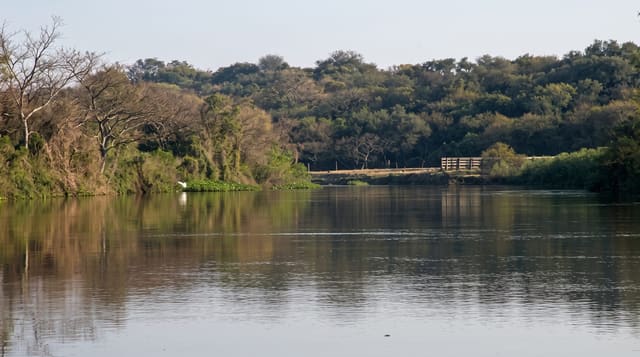
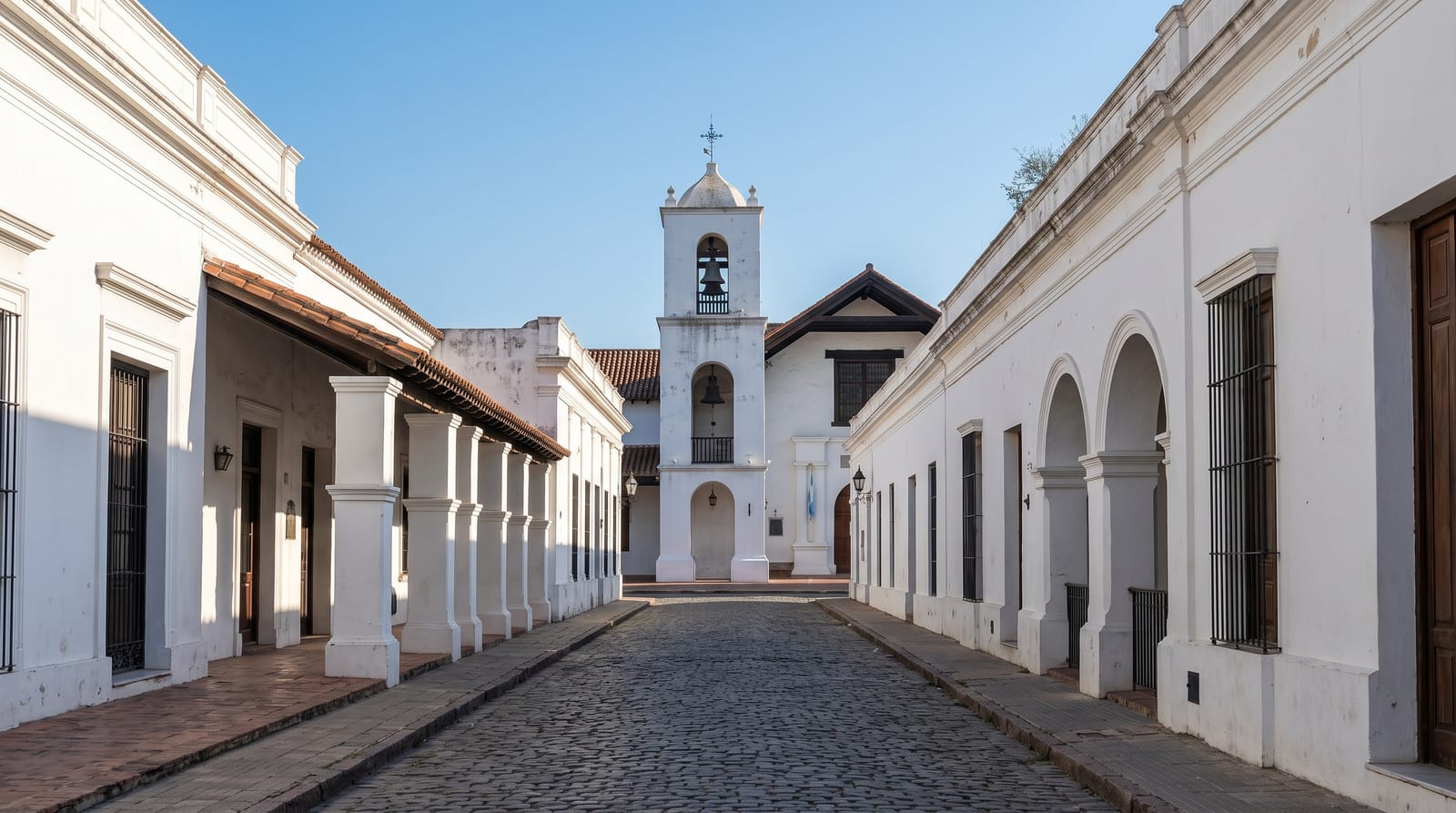
Santa Fe de la Vera Cruz was founded in 1573, moved to its present site decades later, and kept more of its colonial fabric than most Argentine cities. The Convento de San Francisco, completed in 1680, is the standout: thick adobe walls, a carved cedar ceiling assembled without nails, and a cloister that has survived floods and centuries. Around it are the cathedral, the old Cabildo and several museums of provincial history. The city sits among the lagoons and channels of the Paraná floodplain, and a road tunnel beneath the river connects it to Paraná on the far bank. Santa Fe is also known for beer, home of one of the country's oldest breweries, and for the freshwater fish that anchors its riverside restaurants.
History
Juan de Garay founded Santa Fe de la Vera Cruz in 1573 at nearby Cayastá, on an expedition from Asunción down the Paraná, and the settlement moved to its present site in 1653 because of constant floods; Cayastá is now a historical park with the grave of Hernandarias, the first governor in South America born in the Americas. The city became a provincial capital in 1814, hosted the Constituent Assembly of 1853 and grew as the trade and transport centre of a rich farming region, and the National University of the Littoral began as a provincial university in 1889. Floods remain a threat: on 29 April 2003 the Salado rose almost two metres in a few hours and caused a catastrophic flood (Wikipedia, Santa Fe, Argentina).
What you'll find
- Convento de San Francisco - the seventeenth-century convent with its nailless cedar ceiling.
- The colonial centre - cathedral, Cabildo and arcaded streets around the plaza.
- The riverside - lagoons, the costanera and fish restaurants on the water.
- The tunnel - the underwater road link to Paraná across the river.
When to go
April to November, when the humidity drops; summers here are hot, sticky and mosquito-heavy. The city floods historically, and heavy rain can affect low-lying areas. Museums close on some Mondays.
Things to know
Beyond the convent and a few blocks of the old centre, the city is workaday and its sights modest. Summer humidity is genuinely oppressive. River conditions vary, and in low-water years the waterfront loses much of its appeal.
Nearby
Cayastá and the original settlement ruins lie north; Paraná is across the river through the tunnel.
Key facts
Source: Wikidata, item Q44244, read on 18 October 2026.
What to pack for Santa Fe
Chosen from what this place is for. Tap a kit for the full checklist.
- Reef-safe sunscreen - High SPF that will not bleach the coral you are swimming over. Find on Amazon
- Strong insect repellent - DEET or picaridin; the jungle is where bites and disease risk are highest. Find on Amazon
- Comfortable walking shoes - Sightseeing means kilometres of pavement and cobbles daily. Find on Amazon
- Modest clothing - Shoulders and knees covered - the single most common requirement. Find on Amazon
Some links on this page are Amazon affiliate links - if you buy through them we may earn a small commission at no extra cost to you.
All packing kitsPlan your trip
Where to start if Santa Fe is going on the list.
Booking links on this page are affiliate links - if you book through them we may earn a small commission at no extra cost to you. It never changes what we write about a place.
Opening times, ticket prices and seasonal closures change - check the official source before you go: official site.