Kolhapur
A temple city known for a fiery cuisine, hand-stitched leather sandals and traditional wrestling in red earth.
Updated 19 October 2026
AI illustration
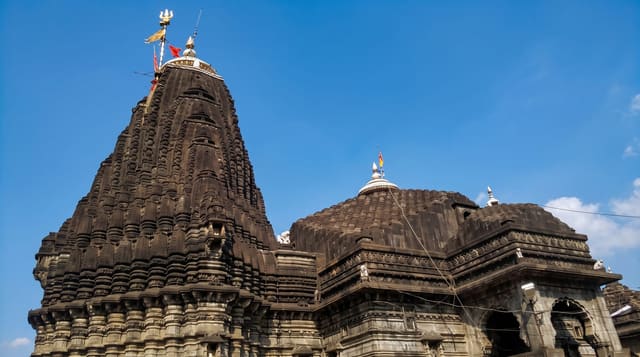
Kolhapur's centre is the Mahalaxmi temple, a Chalukya-period building of the seventh century onward and one of the shakti peethas, with a black stone image and a phenomenon at the equinoxes when the setting sun reaches the sanctum through the doorways. The city gives its name to the Kolhapuri chappal, a leather sandal hand-stitched without nails and given a geographical indication, made in workshops around the district. Its food is separately famous: tambda and pandhra rassa, red and white mutton broths, served hot in both senses. Traditional wrestling in red earth pits, the taleem tradition, is still practised here.
History
Legend names the city after Kolhasur, a demon who asked the goddess Mahalakshmi to leave the land to him for a hundred years, and a stone inscription of the Shilahara kingdom, which ruled the region from the 8th to the 12th centuries, calls the area kshullakpur, after the junior Jain monks who lived here. The Shilaharas, descendants of the Rashtrakutas, founded a dynasty at Kolhapur whose family deities were Padmavati and Ambabai (Wikipedia, Kolhapur).
Highlights
- Mahalaxmi temple - a Chalukya-period shakti peetha with equinox alignment.
- The chappal workshops - hand-stitched leather sandals made across the district.
- The rassa - red and white mutton broths served with the meal.
- The wrestling taleems - red earth pits where the tradition continues.
When to go
October to March; the Kiranotsav sun alignment falls around the equinoxes in late January and November. Navratri brings very large crowds to the temple. Summers are hot.
Before you go
Machine-made imitations are sold widely as Kolhapuri chappals. Temple queues are long at festivals. The city is congested and geared to domestic rather than foreign visitors.
Nearby
Panhala fort lies northwest; Goa is southwest.
Key facts
Source: Wikidata, item Q209698, read on 18 October 2026.
What to pack for Kolhapur
Chosen from what this place is for. Tap a kit for the full checklist.
- Comfortable walking shoes - Sightseeing means kilometres of pavement and cobbles daily. Find on Amazon
- Modest clothing - Shoulders and knees covered - the single most common requirement. Find on Amazon
- A slim anti-theft daypack - Zips that close properly; keep it in front in crowds and on transit. Find on Amazon
- A scarf or shawl - To cover the head or shoulders on entry; women especially at mosques. Find on Amazon
Some links on this page are Amazon affiliate links - if you buy through them we may earn a small commission at no extra cost to you.
All packing kitsPlan your trip
Where to start if Kolhapur is going on the list.
Booking links on this page are affiliate links - if you book through them we may earn a small commission at no extra cost to you. It never changes what we write about a place.
Opening times, ticket prices and seasonal closures change - check the official source before you go: official site.