Gualeguaychú
An Entre Ríos river town that hosts the largest carnival parades in Argentina, filling a purpose-built corsódromo every summer weekend.
Updated 18 October 2026
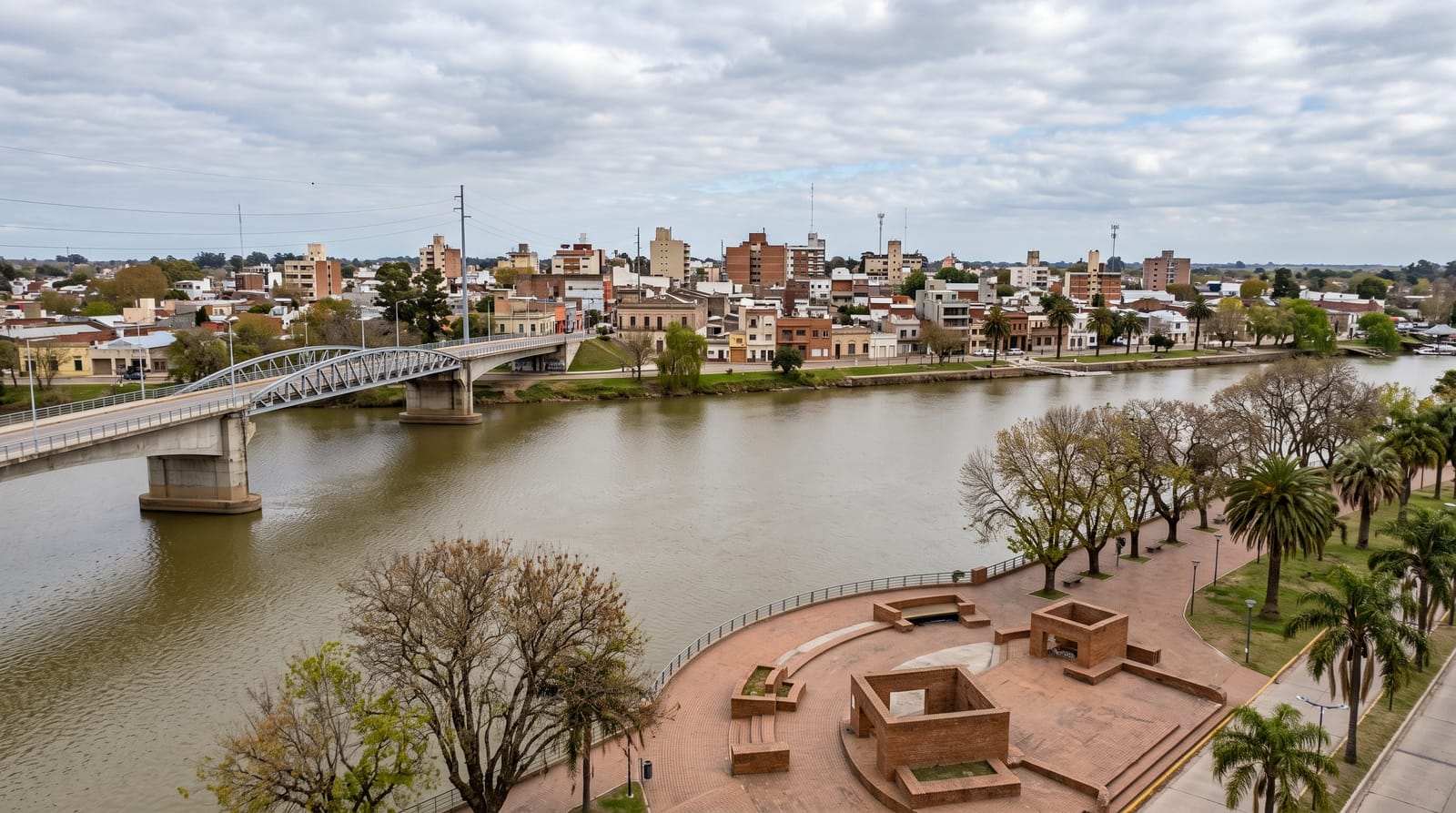
AI illustration
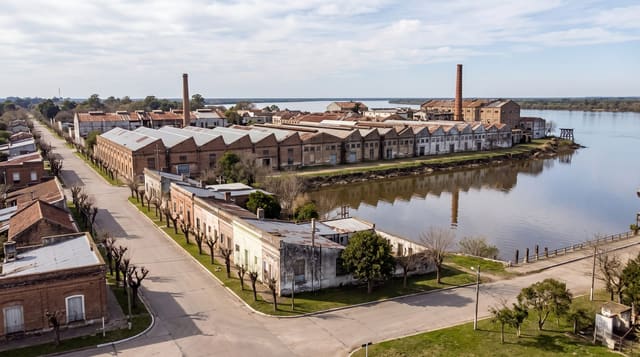
Gualeguaychú is a quiet river town for most of the year and the carnival capital of Argentina for two months of it. Every Saturday night through January and February, comparsas, the neighbourhood carnival societies, parade through the Corsódromo, a purpose-built arena on the site of the old railway station, with floats, drum sections and hundreds of costumed dancers in feathered regalia that take a year to prepare. The scale and production values are closer to Brazilian carnival than anything else in the country. Outside the season the town has river beaches on the Gualeguaychú and Uruguay rivers, a thermal complex, and a relaxed centre of low houses, and it works as a stop between Buenos Aires and the northern river towns.
History
Chaná and Charrúa peoples lived here before the Spanish, and from the 17th century Santa Fe and Buenos Aires granted the land to settlers whose rough rural settlements fought constantly with the native peoples, who had been nearly wiped out by the middle of the 18th century. A settlement grew around a chapel in 1770, and after Bishop Sebastián Malvar y Pinto reported on the plight of the smallholders and on Portuguese incursions, Viceroy Vértiz sent Tomás de Rocamora, who founded the town on 18 October 1783 to strengthen the Spanish presence; by 1914 it had 18,000 people, growing with new cereal mills, its port and its railway station (Wikipedia, Gualeguaychú, Entre Ríos).
Highlights
- The Corsódromo - the carnival arena and its Saturday night parades.
- The comparsas - neighbourhood societies with floats, drums and costumes.
- The river beaches - swimming and picnic spots along the water.
- The thermal baths - warm pools on the edge of town.
When to go
January and February on Saturday nights for carnival, booking tickets and rooms well ahead. The rest of summer is warm and busy on the beaches. Outside the season the town is quiet, and the carnival infrastructure sits empty.
Before you go
Carnival nights run very late, are loud and crowded, and tickets, transport and accommodation all cost more in season. Outside carnival there is little of note in town. Summer humidity and mosquitoes near the river are significant.
Nearby
Concepción del Uruguay and Palacio San José lie north; Buenos Aires is south on the RN14.
Key facts
Source: Wikidata, item Q52585, read on 18 October 2026.
What to pack for Gualeguaychú
Chosen from what this place is for. Tap a kit for the full checklist.
- Reef-safe sunscreen - High SPF that will not bleach the coral you are swimming over. Find on Amazon
- Strong insect repellent - DEET or picaridin; the jungle is where bites and disease risk are highest. Find on Amazon
- Comfortable walking shoes - Sightseeing means kilometres of pavement and cobbles daily. Find on Amazon
- Swimwear - Needed at most public thermal pools; some traditional baths are nude and single-sex. Find on Amazon
Some links on this page are Amazon affiliate links - if you buy through them we may earn a small commission at no extra cost to you.
All packing kitsPlan your trip
Where to start if Gualeguaychú is going on the list.
Booking links on this page are affiliate links - if you book through them we may earn a small commission at no extra cost to you. It never changes what we write about a place.
Opening times, ticket prices and seasonal closures change - check the official source before you go: official site.