Moscatel de Setúbal
An amber fortified muscat from the Setúbal peninsula, made by leaving the skins in the fortified wine for months.
Updated 28 August 2026
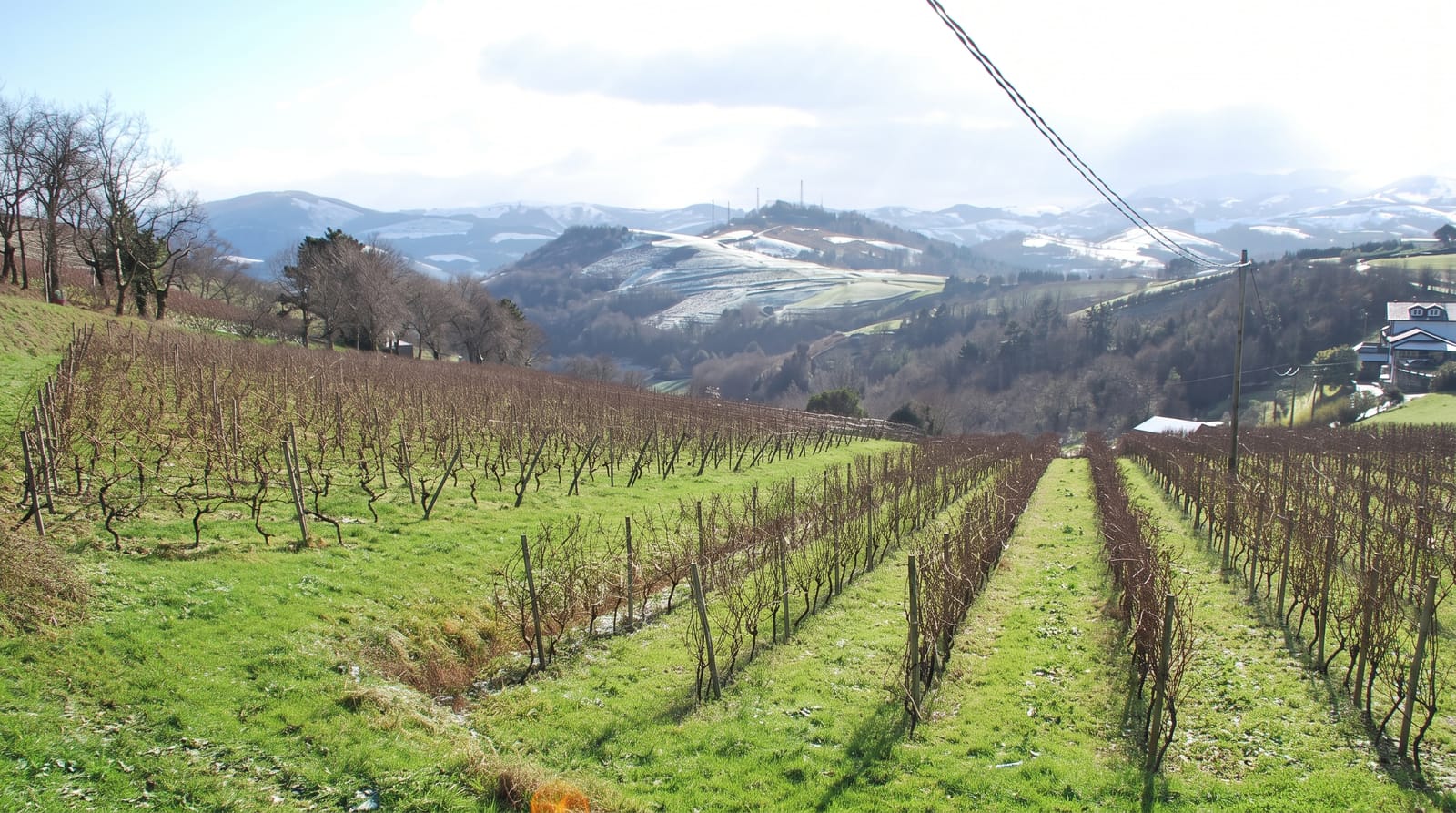
Moscatel de Setúbal has been made on the peninsula since at least the eighteenth century and was given a demarcated region in 1907, one of the oldest in the world. The method is what distinguishes it: the fermenting must is fortified with grape spirit to stop it, as in port, but then the muscat skins are left macerating in the fortified wine for five or six months, which pulls out the aromatic compounds that give the wine its intensity of orange peel, raisin, honey and dried apricot. It is then aged in wood, often for many years, and old bottlings of twenty, forty and more years are made and sold. There is a rarer Moscatel Roxo from a pink-skinned clone. José Maria da Fonseca at Azeitão, founded in 1834 and still family-run, is the best-known house and takes visitors, and Bacalhôa and others operate nearby.
The main sights
- The skin maceration - muscat skins left in the fortified wine for five or six months.
- The 1907 demarcation - among the oldest protected wine regions in the world.
- The old bottlings - twenty and forty year wines from long wood ageing.
- The Azeitão cellars - José Maria da Fonseca and others taking visitors.
When to go
Year-round; harvest in late summer. One to two hours per cellar. Tours and tastings need booking at most houses.
Good to know
It is a sweet fortified wine at around seventeen to twenty per cent - a small glass is the serving. Cellar visits need arranging in advance. Old bottlings are expensive. Azeitão and Palmela need a car or a tour from Lisbon.
Nearby
Azeitão also makes the sheep cheese; Palmela castle is above the vineyards.
What to pack for Moscatel de Setúbal
Chosen from what this place is for. Tap a kit for the full checklist.
- A reusable bag or container - For market produce and cutting down on packaging. Find on Amazon
- Wet wipes + hand sanitiser - Street food and washbasins do not always go together. Find on Amazon
Some links on this page are Amazon affiliate links - if you buy through them we may earn a small commission at no extra cost to you.
All packing kitsPlan your trip
Where to start if Moscatel de Setúbal is going on the list.
Booking links on this page are affiliate links - if you book through them we may earn a small commission at no extra cost to you. It never changes what we write about a place.
Opening times, ticket prices and seasonal closures change - check the official source before you go: official site.