Zielona Gora Wine
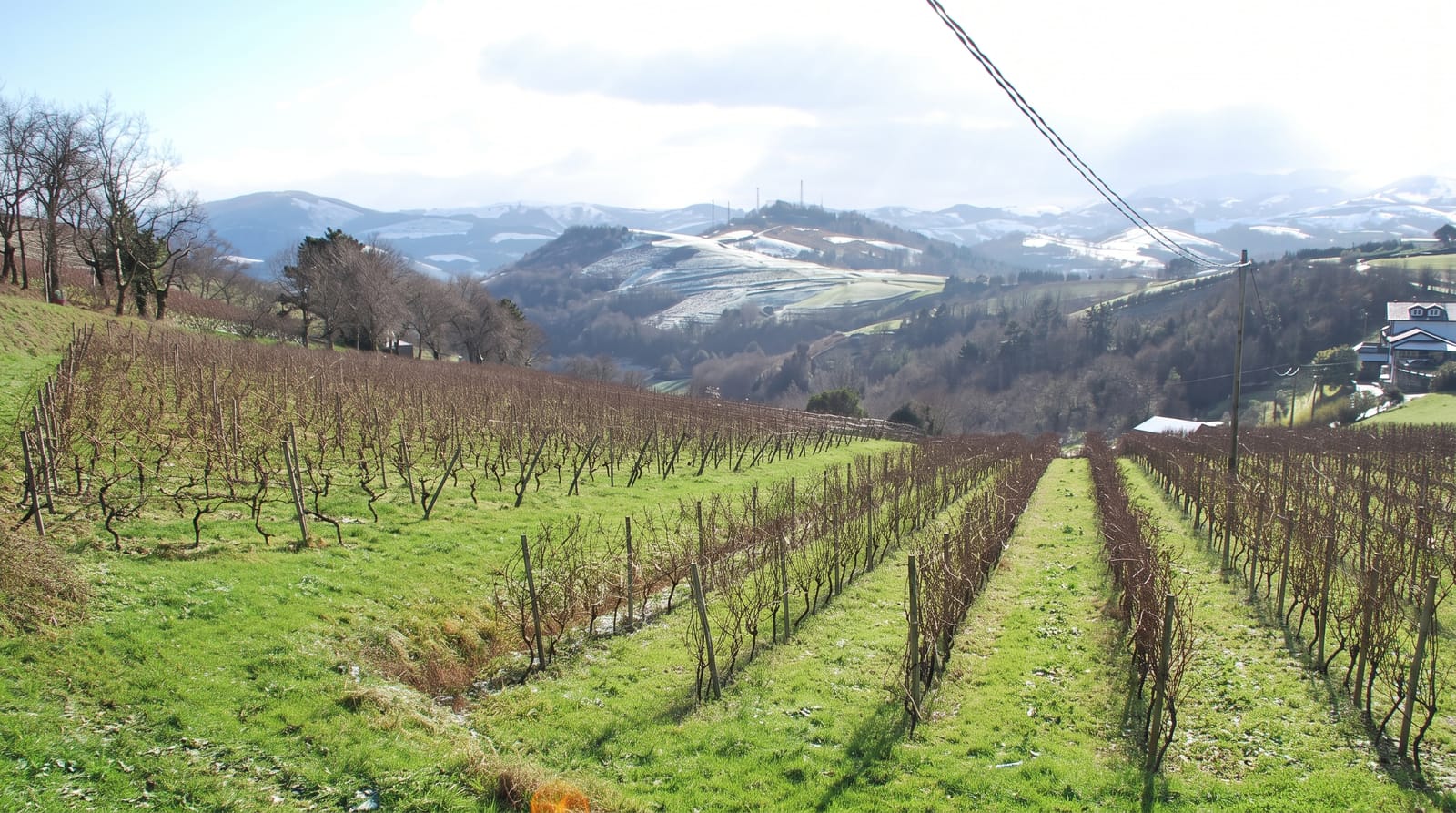
Vineyards on the warmest slopes in western Poland, replanted after 1989, with a nine-day harvest festival.
Updated 29 August 2026
Zielona Gora - the name means green hill - had vineyards from the Middle Ages, and by the nineteenth century it was a significant wine town of the German lands with hundreds of hectares under vine and a sparkling wine industry. Production collapsed through the twentieth century and had almost vanished by the 1980s. Since the 1990s it has been rebuilt: dozens of small vineyards now work the slopes around the city and across the Lubusz region, producing mainly white wines from cool-climate varieties, riesling, solaris, seyval blanc, johanniter, with some pinot noir and regent for red. Poland is a marginal wine country and the wines are light and high in acid, which is the honest description. The Winobranie, the grape harvest festival, runs for nine days in September and is one of the largest street festivals in Poland, with a wine village, parades and concerts.
What to look for
- Replanted vineyards - dozens of small producers on the slopes since the 1990s.
- Cool-climate varieties - solaris, johanniter, riesling and seyval for the whites.
- A marked wine route - through the villages around the city.
- Winobranie in September - a nine-day harvest festival across the town.
When to go
September, for the harvest and festival. A day.
Practical notes
Polish wine is expensive for its quality by international standards and the style is light and acidic. Small producers need appointments for tastings. Festival week fills the city and accommodation is scarce.
Nearby
Lagow and the Lubusz lakes are north-east.
What to pack for Zielona Gora Wine
Chosen from what this place is for. Tap a kit for the full checklist.
- A reusable bag or container - For market produce and cutting down on packaging. Find on Amazon
- Wet wipes + hand sanitiser - Street food and washbasins do not always go together. Find on Amazon
Some links on this page are Amazon affiliate links - if you buy through them we may earn a small commission at no extra cost to you.
All packing kitsPlan your trip
Where to start if Zielona Gora Wine is going on the list.
Booking links on this page are affiliate links - if you book through them we may earn a small commission at no extra cost to you. It never changes what we write about a place.
Opening times, ticket prices and seasonal closures change - check the official source before you go: official site.