Pinotage
A grape crossed in a Stellenbosch garden in 1925, ignored for decades, and now the country's own red variety.
Updated 29 August 2026
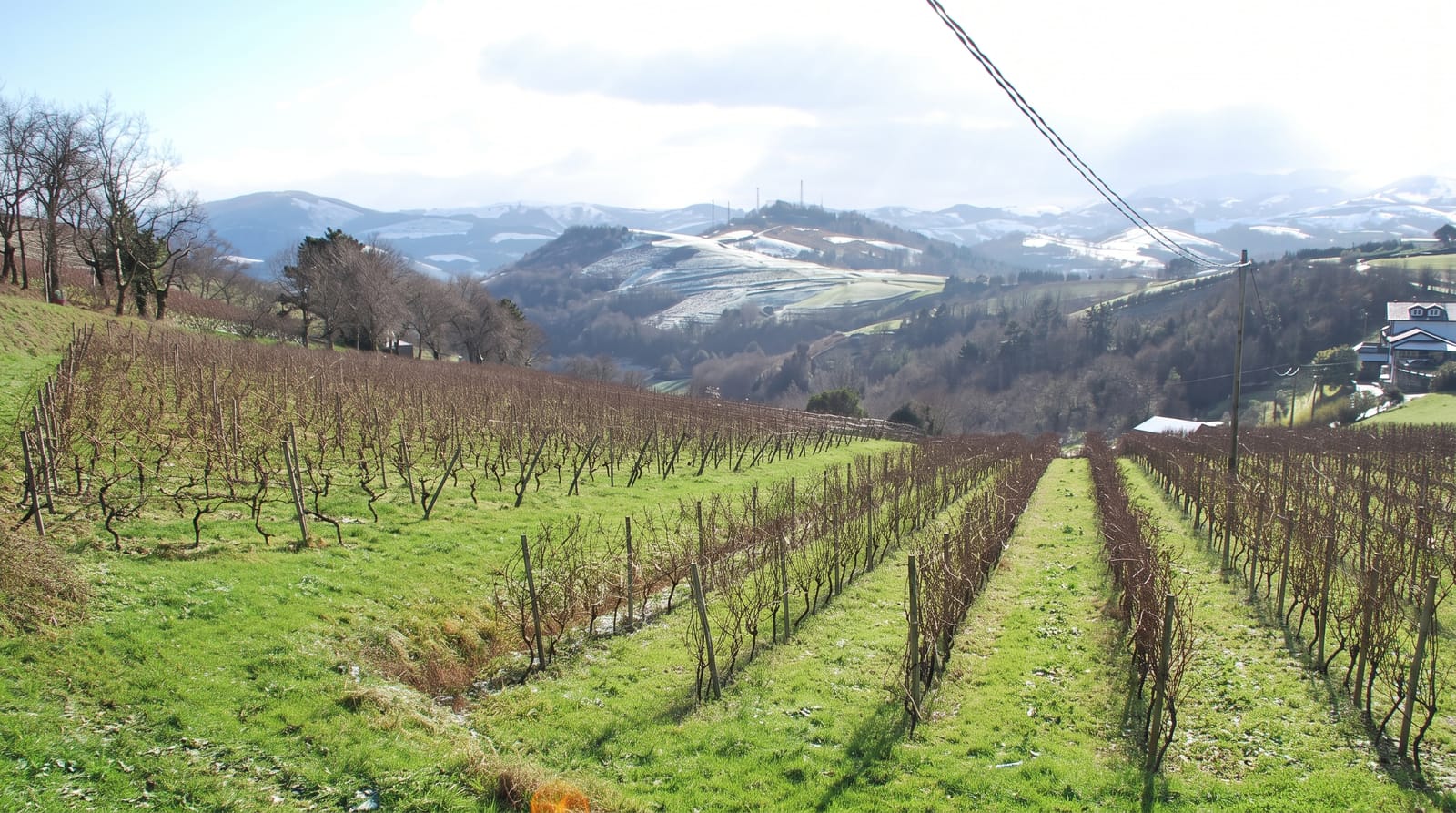
Abraham Izak Perold, the first professor of viticulture at Stellenbosch, crossed pinot noir with cinsaut - then called hermitage at the Cape - in 1925, hoping to get pinot's quality with cinsaut's robustness. The four seedlings were nearly lost when he left the university and his garden was cleared; they were rescued by a colleague who happened to pass. The first commercial bottling followed in 1961. Pinotage has an unusually divided reputation: badly made it develops burnt-rubber and acetone notes that gave it a reputation abroad it has struggled to shake, while carefully made examples are dense, smoky and full of dark fruit. The best come from old bush vines in Stellenbosch and the Swartland, and the difference between a good and a bad one is larger than for almost any other variety. Cape Blends, in which pinotage is combined with Bordeaux varieties, are the other common form.
Highlights
- The 1925 cross - pinot noir with cinsaut, made in a Stellenbosch garden.
- The near-loss - four seedlings rescued from a cleared garden by chance.
- A divided reputation - burnt rubber at worst, dense and smoky at best.
- Old bush vines - Stellenbosch and the Swartland producing the strongest examples.
When to go
All year; February and March for harvest. A day of tastings.
What to expect
Quality varies more than with most varieties - a cheap bottle may confirm every prejudice. Tasting fees have risen steeply. Many visitors simply do not like the style. Drink-and-drive enforcement is strict; use a driver or the wine tram.
Nearby
Stellenbosch is the historic centre; the Swartland is north.
What to pack for Pinotage
Chosen from what this place is for. Tap a kit for the full checklist.
- A reusable bag or container - For market produce and cutting down on packaging. Find on Amazon
- Wet wipes + hand sanitiser - Street food and washbasins do not always go together. Find on Amazon
Some links on this page are Amazon affiliate links - if you buy through them we may earn a small commission at no extra cost to you.
All packing kitsPlan your trip
Where to start if Pinotage is going on the list.
Booking links on this page are affiliate links - if you book through them we may earn a small commission at no extra cost to you. It never changes what we write about a place.
Opening times, ticket prices and seasonal closures change - check the official source before you go: official site.