La Bombonera
Boca Juniors' famously steep stadium in La Boca, built with one flat side and a reputation for shaking when the crowd jumps.
Updated 18 October 2026

AI illustration
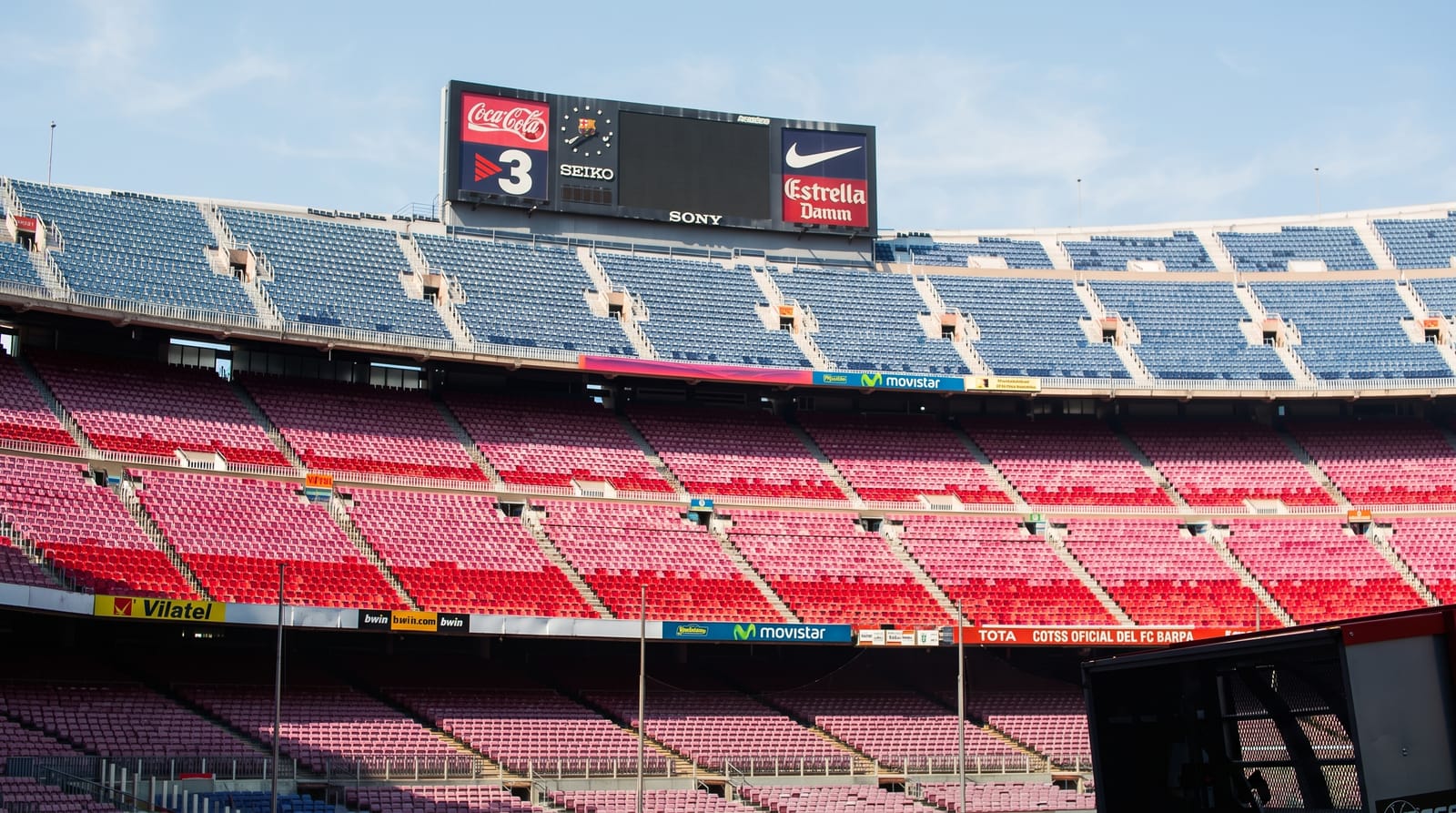
The Estadio Alberto J. Armando, universally called La Bombonera, the chocolate box, was built in the 1940s on a cramped plot that forced an unusual design: three steep tiers of stands on three sides and a flat vertical wall of boxes on the fourth, where there was no room to expand. The result is a bowl with the crowd almost on top of the pitch, and an acoustic and physical effect that gave rise to the phrase that the stadium does not shake, it beats. Boca Juniors is one of the two clubs that dominate Argentine football, and matchdays here are famously intense. Outside match times, a stadium tour and the club museum cover the history, the trophies and the terraces.
History
Boca Juniors raised money in a fund drive in 1921 and moved in 1924 to Brandsen and Del Crucero streets, on land once used as a railway shunting yard, where it built a stadium with wooden stands; in 1931 the club bought the land from the city, and the design of a new stadium went to the office of Delpini, Sulčič and Bes. The old ground was used for the last time on 10 April 1938 and pulled down, and the new stadium opened on 25 May 1940 with a friendly against San Lorenzo, won 2-0 with both goals by Ricardo Alarcón; a second tier followed in 1941 and a third tier with floodlights was finished in 1953. The nickname, the chocolate box, is said to come from a box of chocolates the architect Viktor Sulčič took to meetings to show the shape, and the stadium was officially named Camilo Cichero in 1986 and later Alberto J. Armando, after the club's long-time president (Wikipedia, La Bombonera).
What to look for
- The steep stands - three tiers rising almost vertically over the pitch.
- The flat wall - the distinctive box-lined fourth side of the ground.
- The club museum - trophies, shirts and the history of Boca Juniors.
- The pitchside view - the tour's walk out to the edge of the field.
When to go
Year-round for tours, which run most days outside matches and events. Tickets for league matches are effectively restricted to members and are very hard for visitors to obtain legitimately; agencies selling them charge heavily and are not always reliable.
Good to know
The museum and tour are the realistic option for most visitors, and they are not cheap. The neighbourhood needs the usual caution, and arriving by taxi is sensible. Tour routes change with events, so the pitchside access is not guaranteed.
Nearby
Caminito is a short walk; San Telmo and the centre lie north.
Key facts
Source: Wikidata, item Q499855, read on 18 October 2026.
What to pack for La Bombonera
Chosen from what this place is for. Tap a kit for the full checklist.
- Comfortable walking shoes - Sightseeing means kilometres of pavement and cobbles daily. Find on Amazon
- A slim anti-theft daypack - Zips that close properly; keep it in front in crowds and on transit. Find on Amazon
- A refillable water bottle - Many cities have public fountains; save money and plastic. Find on Amazon
- A light layer + compact umbrella - For museum air-con and a sudden shower. Find on Amazon
Some links on this page are Amazon affiliate links - if you buy through them we may earn a small commission at no extra cost to you.
All packing kitsPlan your trip
Where to start if La Bombonera is going on the list.
Booking links on this page are affiliate links - if you book through them we may earn a small commission at no extra cost to you. It never changes what we write about a place.
Opening times, ticket prices and seasonal closures change - check the official source before you go: official site.