Kissama National Park
Angola's wildlife comeback - the country's most accessible national park, a savanna and baobab wilderness near Luanda where elephants, antelope and other game, decimated by war, are being restored in a hopeful conservation story on the Atlantic coast.
Updated 19 October 2026
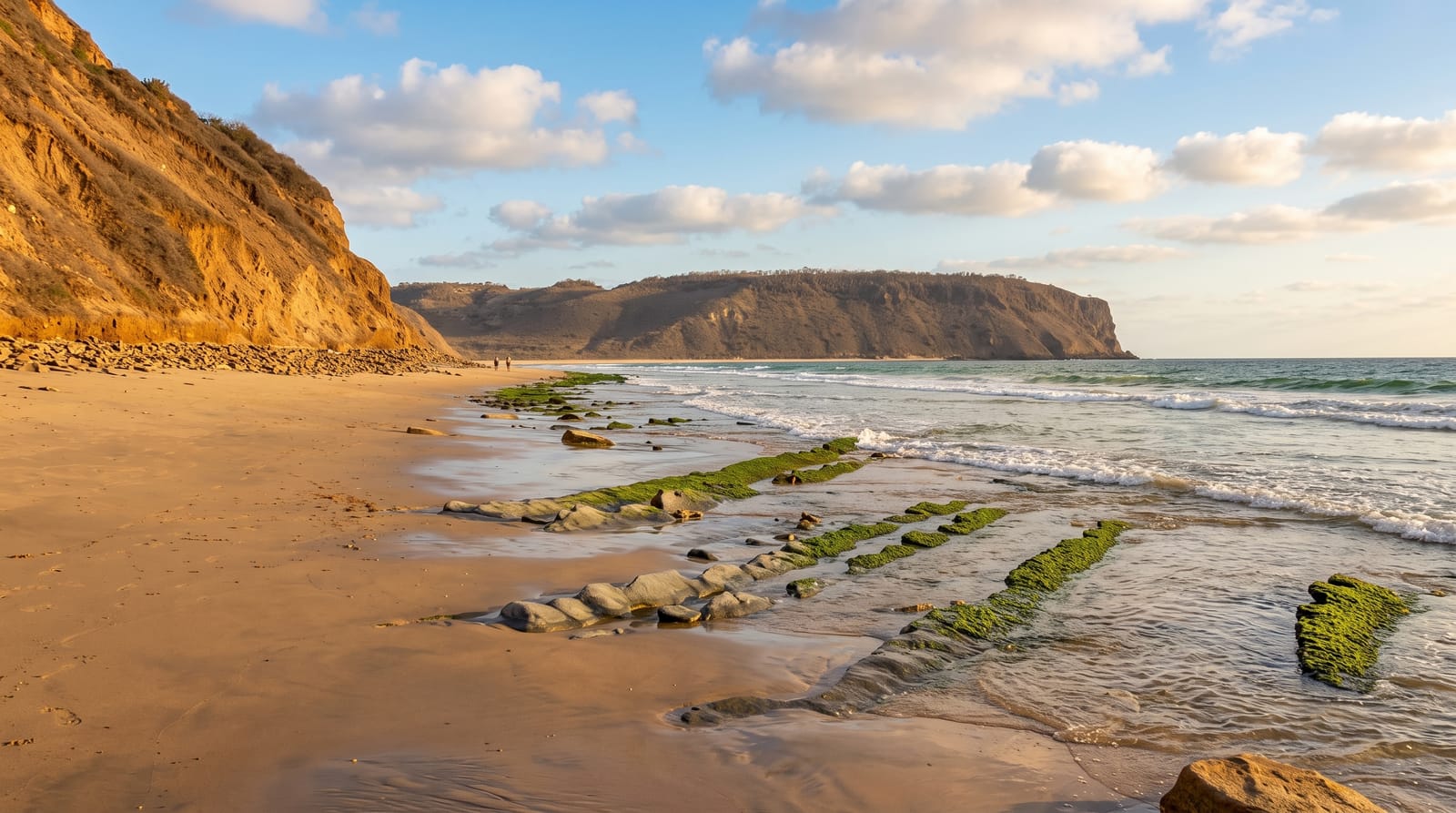
AI illustration
Real photos (1)
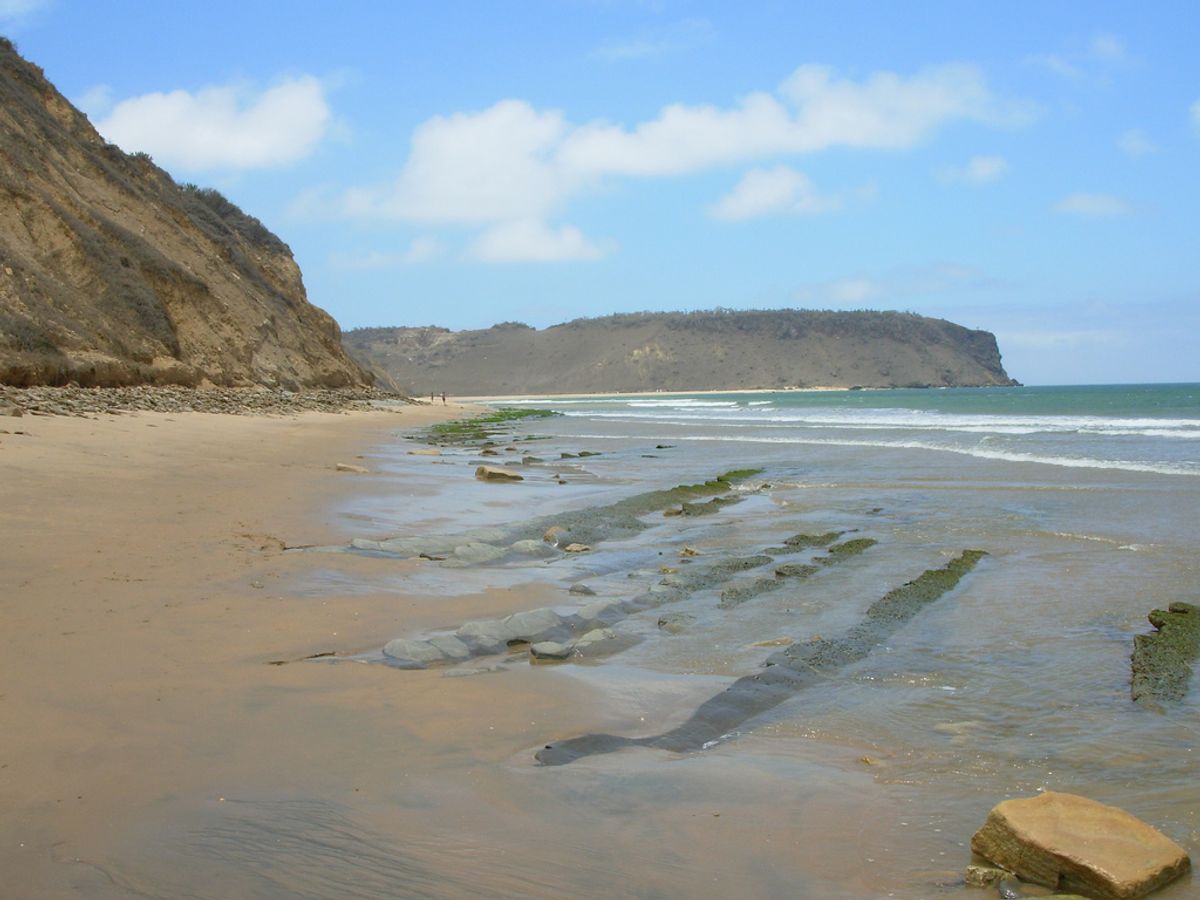
Kissama National Park, also spelled Quiçama, stretching along the Atlantic coast south of the capital Luanda, is Angola's most accessible and best-known wildlife reserve, a landscape of savanna, baobab trees, grassland and mangrove where the Kwanza River meets the sea. Its wildlife was almost entirely lost in the late twentieth century, but a remarkable restoration effort, including the famous Operation Noah's Ark that airlifted elephants and other animals from neighbouring countries, has begun to bring it back to life. Today, elephants, antelope, and other game can be seen on game drives, a hopeful symbol of the country's recovery.
History
The area became a game reserve in 1938 and was proclaimed a national park in January 1957 by the Portuguese administration of the Overseas Province of Angola. It was once home to many elephants and giant sable, but wide-scale poaching in the late 20th century all but wiped out the large animals, and in 2001 the Kissama Foundation, a group of Angolans and South Africans, began Operation Noah's Ark, bringing elephants and other animals from overpopulated parks in Botswana and South Africa, the largest transfer of its kind. Since 2005 the area has counted as a Lion Conservation Unit, and in 2025 UNESCO made it a biosphere reserve (Wikipedia, Quiçama National Park).
Highlights
- The elephants - the reintroduced elephants of the restoration.
- The baobab savanna - the grassland and baobab landscape.
- The game drives - the safaris in Angola's accessible park.
- The coast and Kwanza River - the Atlantic shore and river mouth.
When to go
May to October, the dry season, is best for wildlife viewing, when animals are easier to spot and the roads more passable; the park is reached by road from Luanda, making it the country's most accessible reserve and a feasible trip from the capital. Wildlife densities are still recovering, so temper expectations.
Good to know
Kissama's wildlife, while recovering, is far less abundant than in the great established parks of eastern and southern Africa, as it is still being restored after the devastation of war, so it offers a hopeful conservation story and an accessible slice of savanna near Luanda rather than a big-game spectacle; facilities are basic. As Angola's most accessible park and a symbol of the country's recovery, though, with its baobab savanna, reintroduced elephants and coastal setting, Kissama is a worthwhile and meaningful visit.
Nearby
The capital Luanda, the Kwanza River and the coast are within reach.
Key facts
Source: Wikidata, item Q3179197, read on 18 October 2026.
What to pack for Kissama National Park
Chosen from what this place is for. Tap a kit for the full checklist.
- Broken-in walking shoes or boots - Grip and ankle support matter more than looks; never hike in brand-new boots. Find on Amazon
- Binoculars - The single best wildlife tool - even a compact pair transforms a sighting. Find on Amazon
- Layers + a waterproof shell - Mountain weather turns fast; a packable rain jacket saves the day. Find on Amazon
- A zoom camera or long lens - Animals rarely come close; reach beats megapixels. Find on Amazon
Some links on this page are Amazon affiliate links - if you buy through them we may earn a small commission at no extra cost to you.
All packing kitsPlan your trip
Where to start if Kissama National Park is going on the list.
Booking links on this page are affiliate links - if you book through them we may earn a small commission at no extra cost to you. It never changes what we write about a place.
Opening times, ticket prices and seasonal closures change - check the official source before you go: official site.