Laguna Blanca National Park
A shallow steppe lagoon with no outlet, protected since 1940 for its colonies of black-necked swans and waterbirds.
Updated 4 September 2026
AI illustration
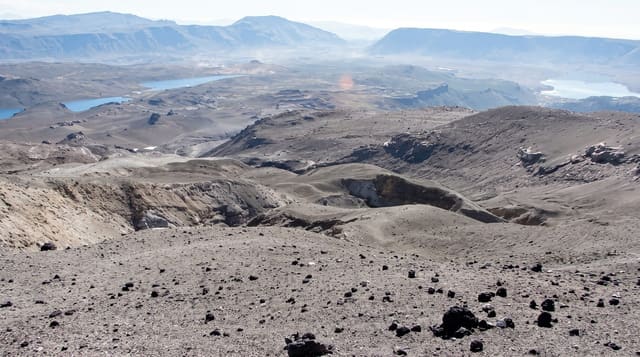
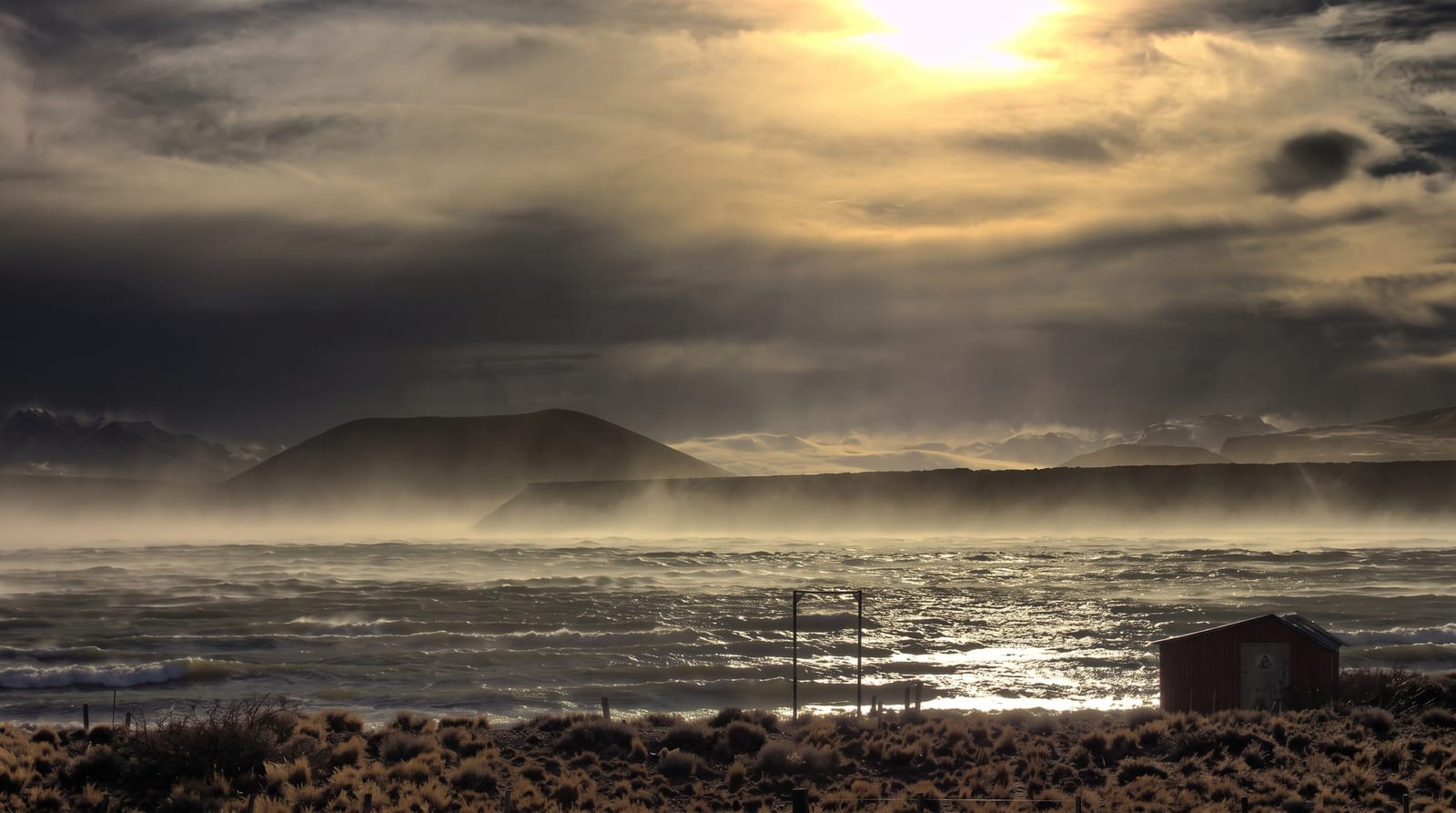
Laguna Blanca fills a basin on the Neuquén steppe that lava flows blocked long ago, leaving a shallow lake with no outlet, ringed by treeless plateau and volcanic cones. It was made a national park in 1940, one of Argentina's earliest, specifically to protect its waterbirds, and the lagoon holds one of the most important breeding colonies of black-necked swans in the country along with grebes, coots, flamingos and ducks, with more than a hundred species recorded. Islands in the lake serve as nesting sites and are off limits. Short trails lead from the visitor centre to hides and viewpoints, and the surrounding steppe holds guanacos, foxes and the small, well-camouflaged rock-dwelling life of the plateau.
The landscape
- The black-necked swans - the colony that gave the park its purpose.
- The shallow lagoon - a closed basin of pale water on open steppe.
- The bird hides - viewpoints over nesting islands and shoreline.
- The steppe wildlife - guanacos, foxes and raptors on the plateau.
When to go
October to April for nesting birds and the fullest lagoon; spring is best for swans. Water levels fall sharply in dry years and the lake has shrunk substantially at times. Winter is bitterly cold and windy.
Practical notes
The landscape is austere and treeless, and visitors expecting Andean scenery will not find it. There is very little infrastructure, no shop and no shade. Wind blows almost constantly, and binoculars are essential to get anything from the birdlife.
Nearby
Zapala is the nearest town; the road continues west toward Aluminé and the mountains.
Key facts
Source: Wikidata, item Q828531, read on 18 October 2026.
What to pack for Laguna Blanca National Park
Chosen from what this place is for. Tap a kit for the full checklist.
- Broken-in walking shoes or boots - Grip and ankle support matter more than looks; never hike in brand-new boots. Find on Amazon
- Reef-safe sunscreen - High SPF that will not bleach the coral you are swimming over. Find on Amazon
- Binoculars - The single best wildlife tool - even a compact pair transforms a sighting. Find on Amazon
- Layers + a waterproof shell - Mountain weather turns fast; a packable rain jacket saves the day. Find on Amazon
Some links on this page are Amazon affiliate links - if you buy through them we may earn a small commission at no extra cost to you.
All packing kitsPlan your trip
Where to start if Laguna Blanca National Park is going on the list.
Booking links on this page are affiliate links - if you book through them we may earn a small commission at no extra cost to you. It never changes what we write about a place.
Opening times, ticket prices and seasonal closures change - check the official source before you go: official site.