McDonald Observatory
A West Texas observatory in some of the darkest skies in the continental United States, running public star parties three nights a week.
Updated 20 October 2026
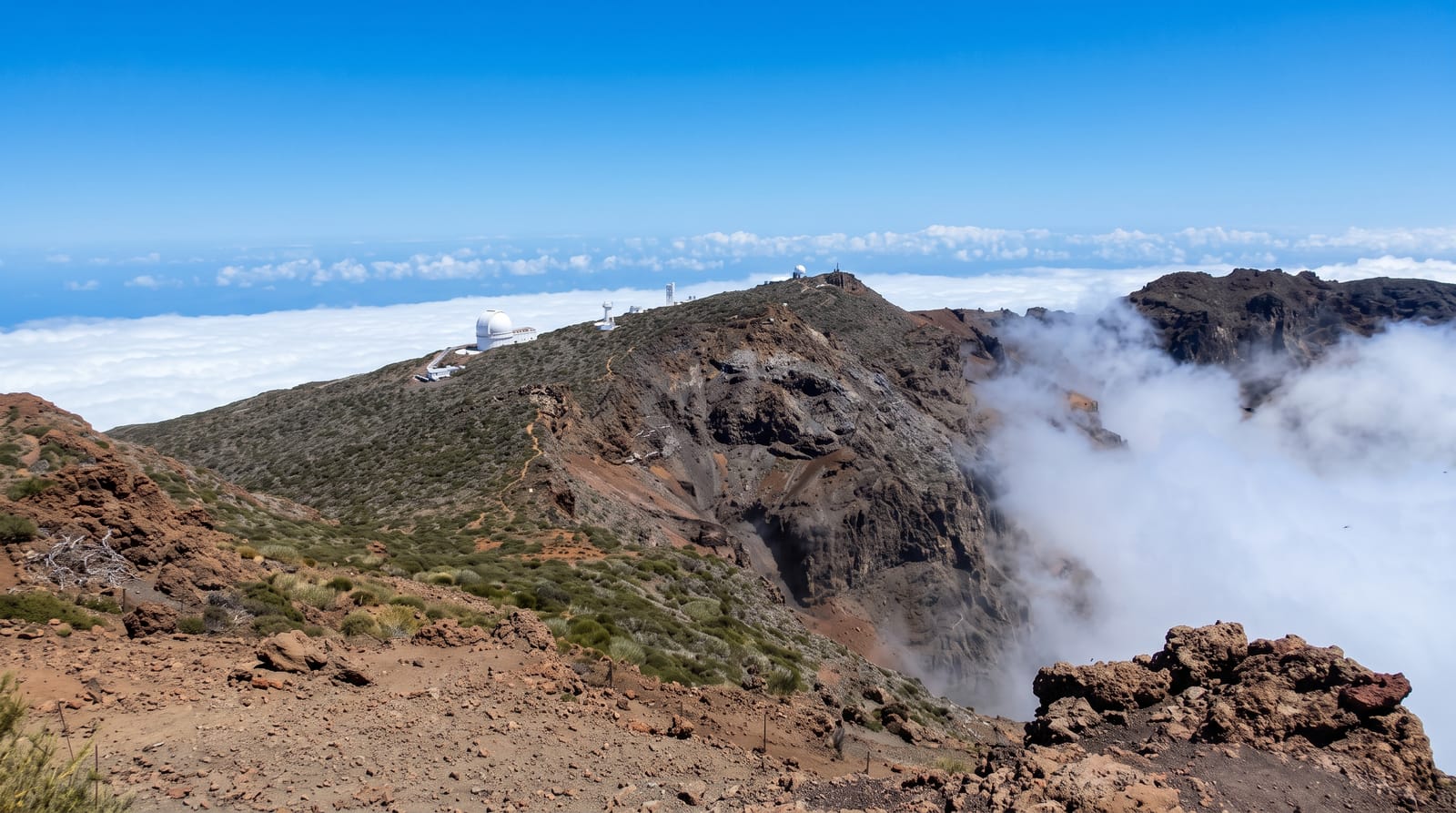
The observatory sits on Mount Locke and Mount Fowlkes at around two thousand metres in the Davis Mountains, chosen because the Trans-Pecos has very little light pollution, low humidity and high elevation, which give some of the darkest and clearest night skies in the region. The Hobby-Eberly Telescope has a segmented primary mirror about ten metres across and is used mainly for spectroscopy. Public star parties run every Tuesday, Friday and Saturday evening, with telescopes of many sizes set out on a dark field and staff working the sky overhead. The road to the summit of Mount Locke is the highest point on any Texas highway.
What to look for
- Star parties on a dark field - Tuesday, Friday and Saturday.
- The Hobby-Eberly Telescope - a segmented ten-metre mirror.
- Genuinely dark skies - among the darkest in the region.
- The highest point on Texas highways - the road up Mount Locke.
When to go
March to November; moonless nights are best. An evening.
Things to know
Star parties book out and cancel for cloud with no alternative date. Nights at altitude are cold in any season - bring layers. It is a long drive from anywhere. A full moon substantially reduces what is visible.
Nearby
Fort Davis is south; Marfa is further south-west.
Key facts
Source: Wikidata, item Q1536779, read on 18 October 2026.
What to pack for McDonald Observatory
Chosen from what this place is for. Tap a kit for the full checklist.
- Broken-in walking shoes or boots - Grip and ankle support matter more than looks; never hike in brand-new boots. Find on Amazon
- Spare batteries + cards - Cold and long shoots drain power; never run out at the good light. Find on Amazon
- Strong insect repellent - DEET or picaridin; the jungle is where bites and disease risk are highest. Find on Amazon
- Comfortable walking shoes - Sightseeing means kilometres of pavement and cobbles daily. Find on Amazon
Some links on this page are Amazon affiliate links - if you buy through them we may earn a small commission at no extra cost to you.
All packing kitsPlan your trip
Where to start if McDonald Observatory is going on the list.
Booking links on this page are affiliate links - if you book through them we may earn a small commission at no extra cost to you. It never changes what we write about a place.
Opening times, ticket prices and seasonal closures change - check the official source before you go: official site.