Val d'Aran
The one Catalan valley on the north side of the Pyrenees, draining to the Atlantic, with its own language and stone-and-slate villages.
Updated 20 October 2026
AI illustration
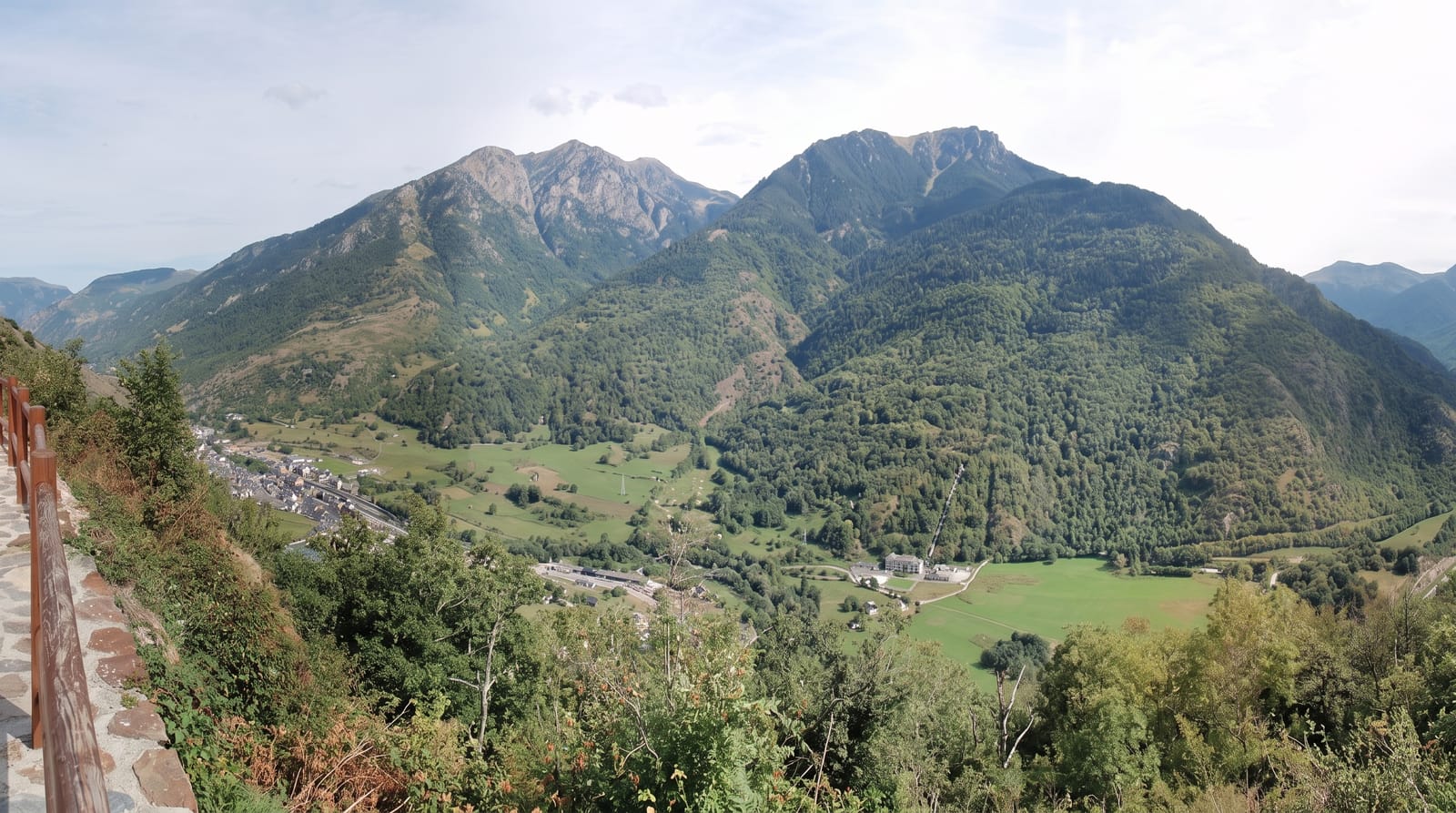
The Val d'Aran faces north: its river, the Garona, runs into France and eventually to the Atlantic, unlike every other valley in Catalonia, and that orientation gave it an Atlantic climate, greener and wetter than Catalonia beyond the ridge, and a history of looking both ways. Aranese, a variety of Occitan, is an official language alongside Catalan and Spanish, taught in schools and used on signs, and the valley has held its own institutions since a 1313 charter. Its thirty-odd villages are built in stone with slate roofs, several with Romanesque churches including Sant Miquel de Vielha and the church at Salardu. Until the Vielha tunnel opened in 1948 the valley was cut off by snow for months each winter.
What you'll find
- The Aranese language - Occitan in official use on signs and in schools.
- The stone villages - slate-roofed settlements with Romanesque churches.
- The Atlantic drainage - a valley flowing north into France.
- The Bonaigua pass - a high road over the ridge, open in summer.
When to go
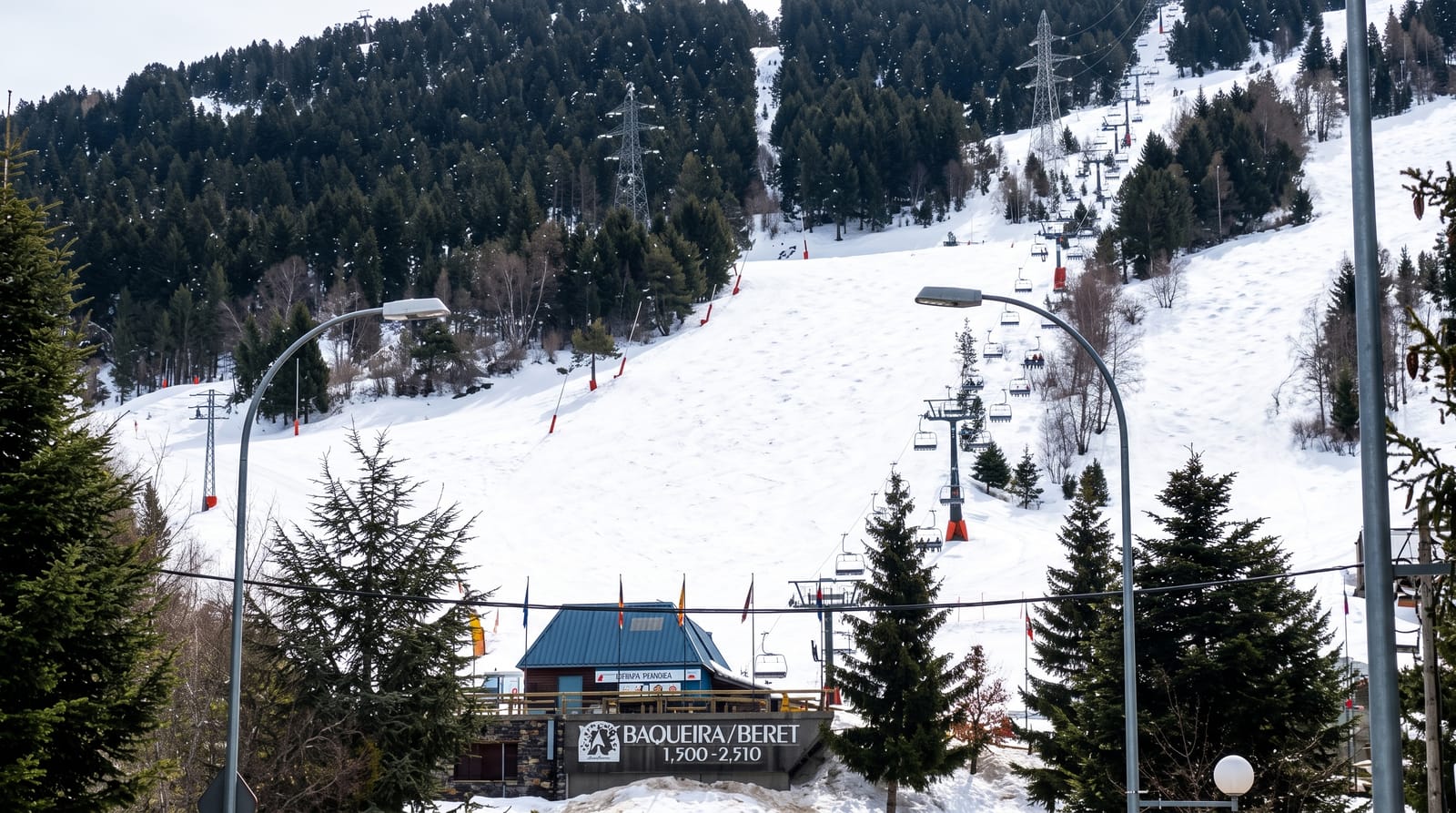
June to September for walking, when the passes are clear and the valley green; December to April for skiing at Baqueira. The Bonaigua pass closes in winter, leaving the tunnel as the only access.
Good to know
The valley is expensive by Spanish standards, shaped by the ski trade. The Bonaigua road closes for months and the tunnel can queue. Weather is Atlantic, meaning rain and cloud more often than the rest of Spain.
Nearby
Baqueira Beret is at the valley head; Aiguestortes national park lies south over the ridge.
Key facts
Source: Wikidata, item Q12602, read on 18 October 2026.
What to pack for Val d'Aran
Chosen from what this place is for. Tap a kit for the full checklist.
- Broken-in walking shoes or boots - Grip and ankle support matter more than looks; never hike in brand-new boots. Find on Amazon
- Warm base layers - Merino or synthetic against the skin - never cotton, which chills when damp. Find on Amazon
- Layers + a waterproof shell - Mountain weather turns fast; a packable rain jacket saves the day. Find on Amazon
- An insulated + windproof jacket - A down or synthetic layer under a hard shell handles most cold. Find on Amazon
Some links on this page are Amazon affiliate links - if you buy through them we may earn a small commission at no extra cost to you.
All packing kitsPlan your trip
Where to start if Val d'Aran is going on the list.
Booking links on this page are affiliate links - if you book through them we may earn a small commission at no extra cost to you. It never changes what we write about a place.
Opening times, ticket prices and seasonal closures change - check the official source before you go: official site.