La Lonja de la Seda
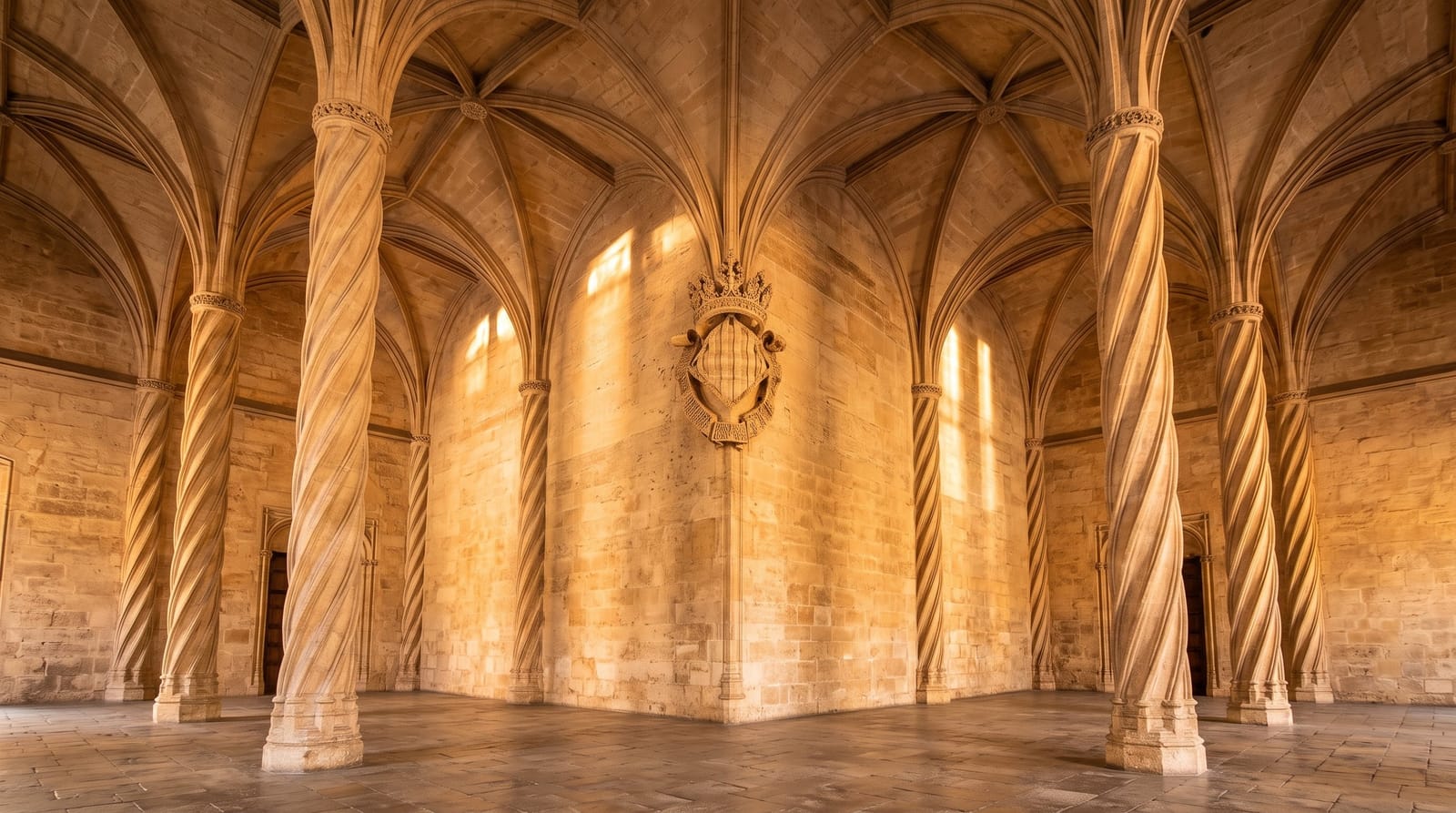
A late Gothic silk exchange in Valencia whose trading hall rises on spiral columns that branch into the vault like palm trunks.
Updated 18 October 2026
AI illustration
UNESCO World Heritage
The Lonja was built from 1482 under Pere Compte as a place to trade silk and settle contracts, and it was designed to impress merchants arriving from abroad. The main hall is a single room of eight twisted columns that rise without capitals and open into ribbed vaulting, so the effect is closer to a stone plantation than a warehouse. An inscription runs around the walls reminding traders to deal honestly. Upstairs, the hall of the sea consulate carries a gilded coffered ceiling moved here from the old city hall. A courtyard of orange trees separates the two wings, and the exterior gargoyles are worth a slow circuit.
History
An earlier exchange of the 14th century, the Oil Exchange, stood behind the present building, and as Valencia's trade peaked in the 15th century the city built a new one, modelled on the exchange of Palma de Mallorca built by Guillem Sagrera in 1448. Pere Compte raised its main body, the Trading Hall, in just fifteen years, from 1483 to 1498, as a Latin inscription in golden letters around its walls records while urging merchants to trade honestly, and the whole building went up between 1482 and 1533. Its side wing housed the Consolat del Mar, the first maritime merchant tribunal formed in Spain, which sometimes locked up merchants for debt in the central tower (Wikipedia, Lonja de la Seda).
The main sights
- The trading hall - spiral columns branching into vaulting across one undivided room.
- The Consulado del Mar ceiling - a gilded coffered ceiling brought from another building.
- The orange courtyard - a small walled garden between the wings.
- The gargoyles - carved figures around the outside, several of them frankly rude.
When to go
Any season works since almost everything is indoors and Valencia stays mild. Mornings are best because the market opposite is trading and the two make a natural pair. Municipal sites here often close early in the afternoon and keep reduced Sunday hours, so treat mid-morning as the safe slot.
Before you go
It is essentially one great hall plus a couple of rooms, and an hour is genuinely enough. There is little furniture or interpretation, so the emptiness reads as bare unless the architecture holds you. The square outside is a busy crossroads with delivery traffic, and the building shares its area with the market crowds all morning.
Nearby
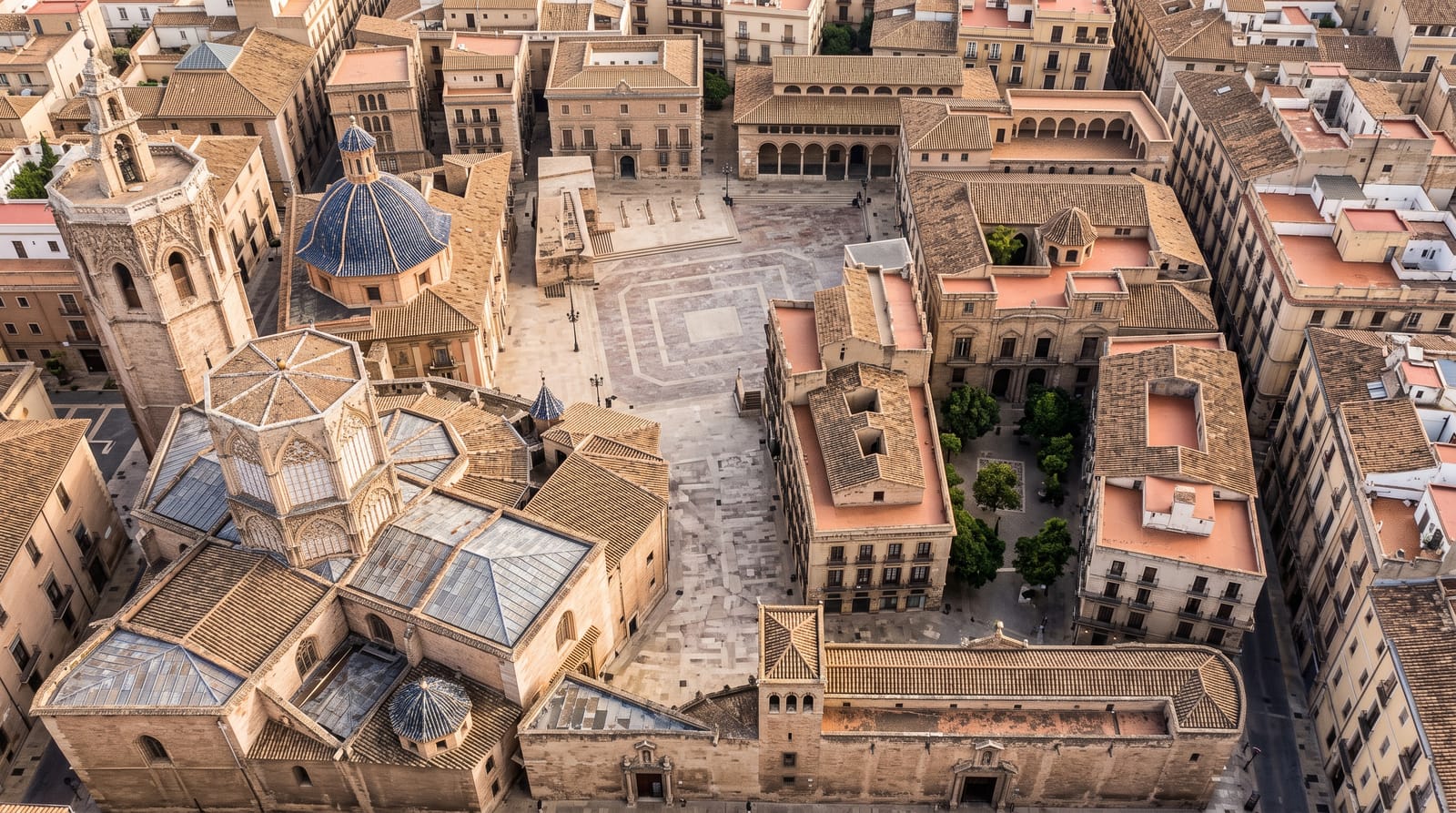
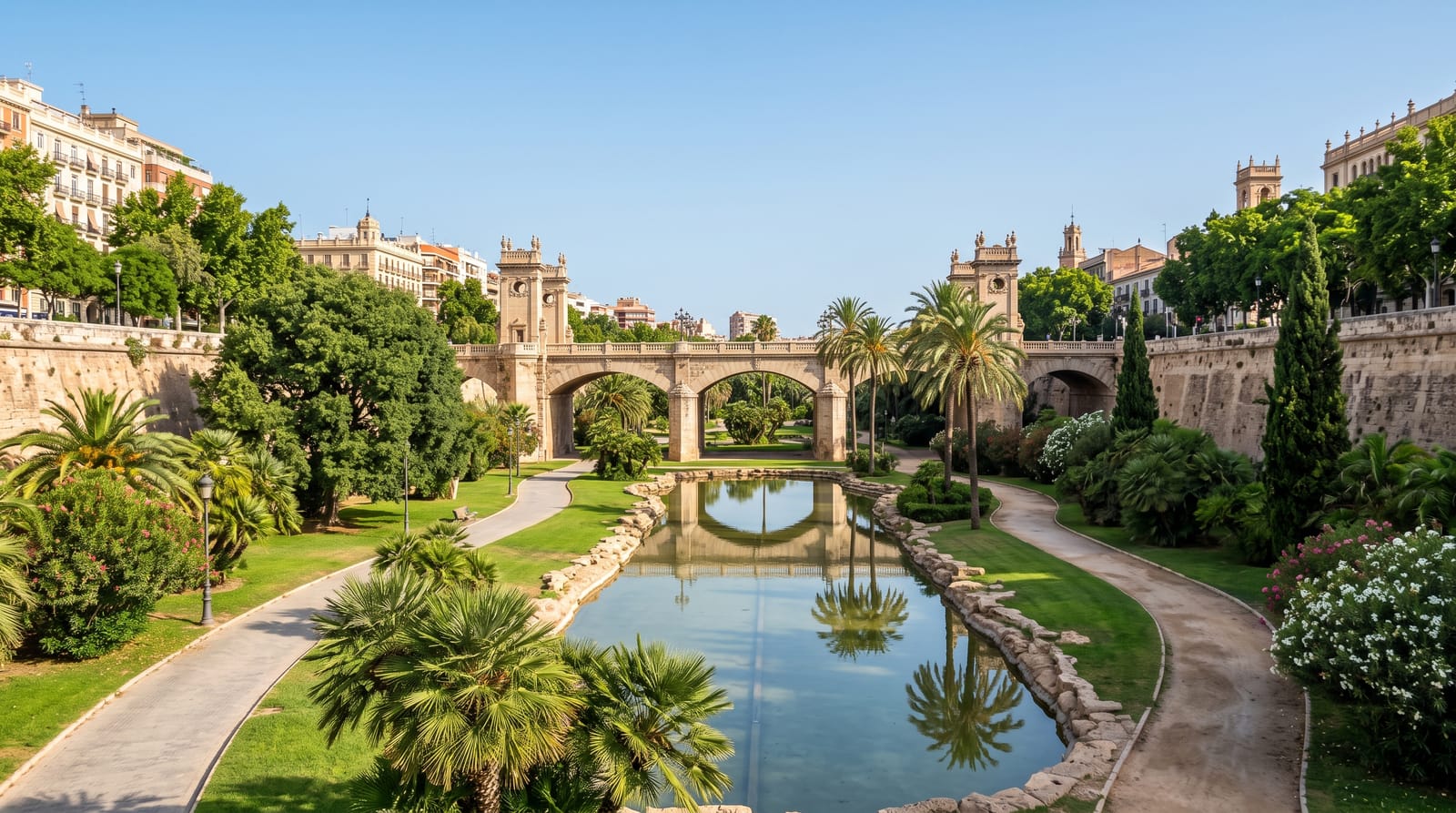
The Central Market, the cathedral and Santos Juanes church, and the Turia gardens.
Key facts
Source: Wikidata, item Q588009, read on 18 October 2026.
What to pack for La Lonja de la Seda
Chosen from what this place is for. Tap a kit for the full checklist.
- Comfortable walking shoes - Sightseeing means kilometres of pavement and cobbles daily. Find on Amazon
- Modest clothing - Shoulders and knees covered - the single most common requirement. Find on Amazon
- A slim anti-theft daypack - Zips that close properly; keep it in front in crowds and on transit. Find on Amazon
- A scarf or shawl - To cover the head or shoulders on entry; women especially at mosques. Find on Amazon
Some links on this page are Amazon affiliate links - if you buy through them we may earn a small commission at no extra cost to you.
All packing kitsPlan your trip
Where to start if La Lonja de la Seda is going on the list.
Booking links on this page are affiliate links - if you book through them we may earn a small commission at no extra cost to you. It never changes what we write about a place.
Opening times, ticket prices and seasonal closures change - check the official source before you go: official site.