Bioparc Valencia
An African-habitat zoo in the Turia riverbed where hidden barriers put visitors apparently inside the enclosures.
Updated 21 October 2026
AI illustration
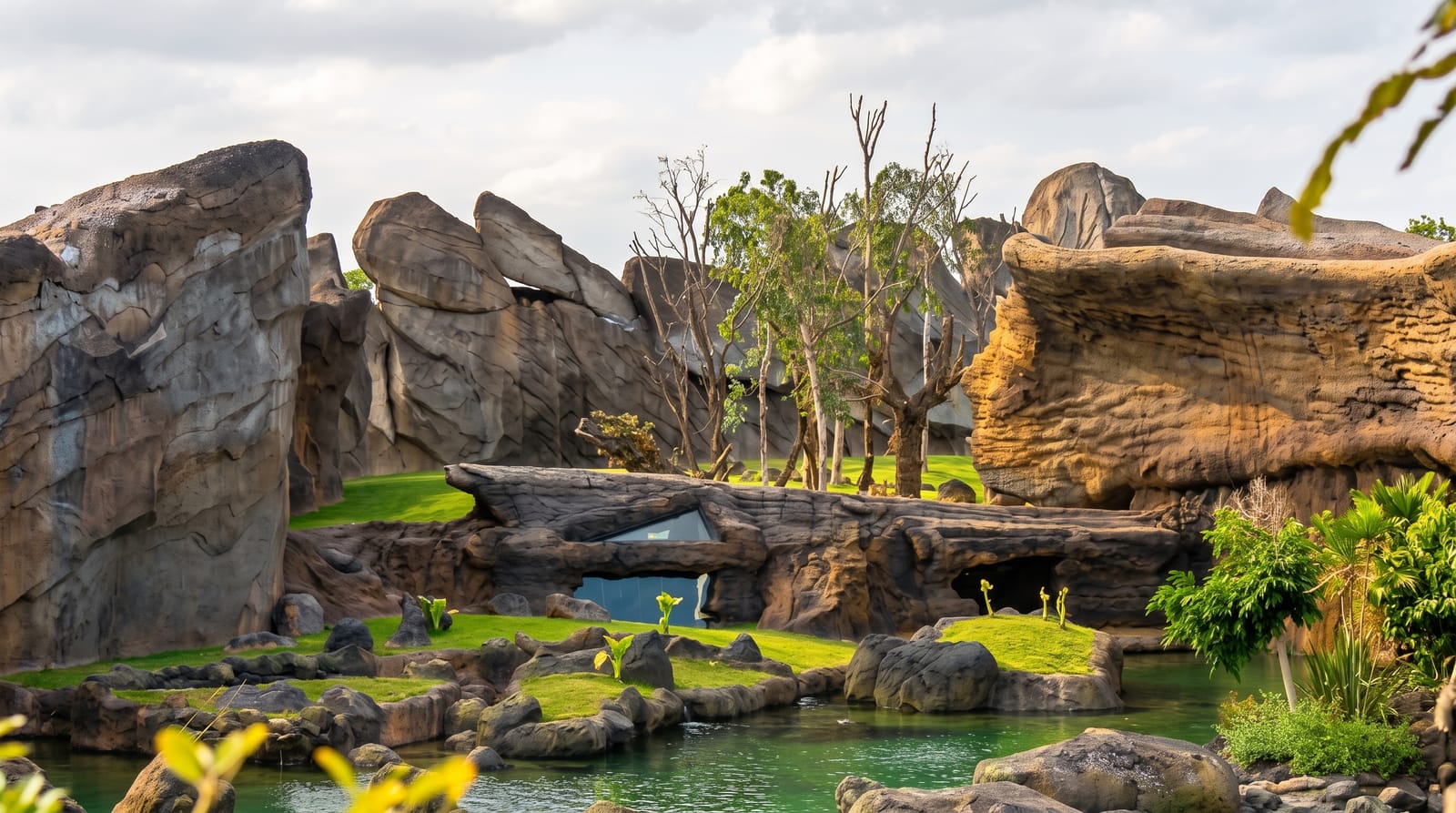
Bioparc Valencia opened in 2008 at the western end of the Turia gardens, built on the zoo-immersion principle: instead of cages and fences, the enclosures are separated by water channels, drops, rock walls and dense planting arranged so the visitor's sightline does not register them, and paths run through reconstructed African habitats, savanna, wetland, equatorial forest and Madagascar. Species include elephants, giraffes, rhinos, lions, hippos seen underwater, gorillas and a large lemur area where the animals move freely around visitors. It covers about ten hectares, is owned by the city and run by a private company, and Makena, the first elephant born in the Valencian region, was born here. The design has been widely praised and copied, though the underlying question of keeping large African mammals in a Mediterranean city park remains contested.
What's there
- The hidden barriers - water and rock separating animals without visible fences.
- The African habitats - savanna, wetland, forest and Madagascar sections.
- The underwater hippos - a viewing window into the hippo pool.
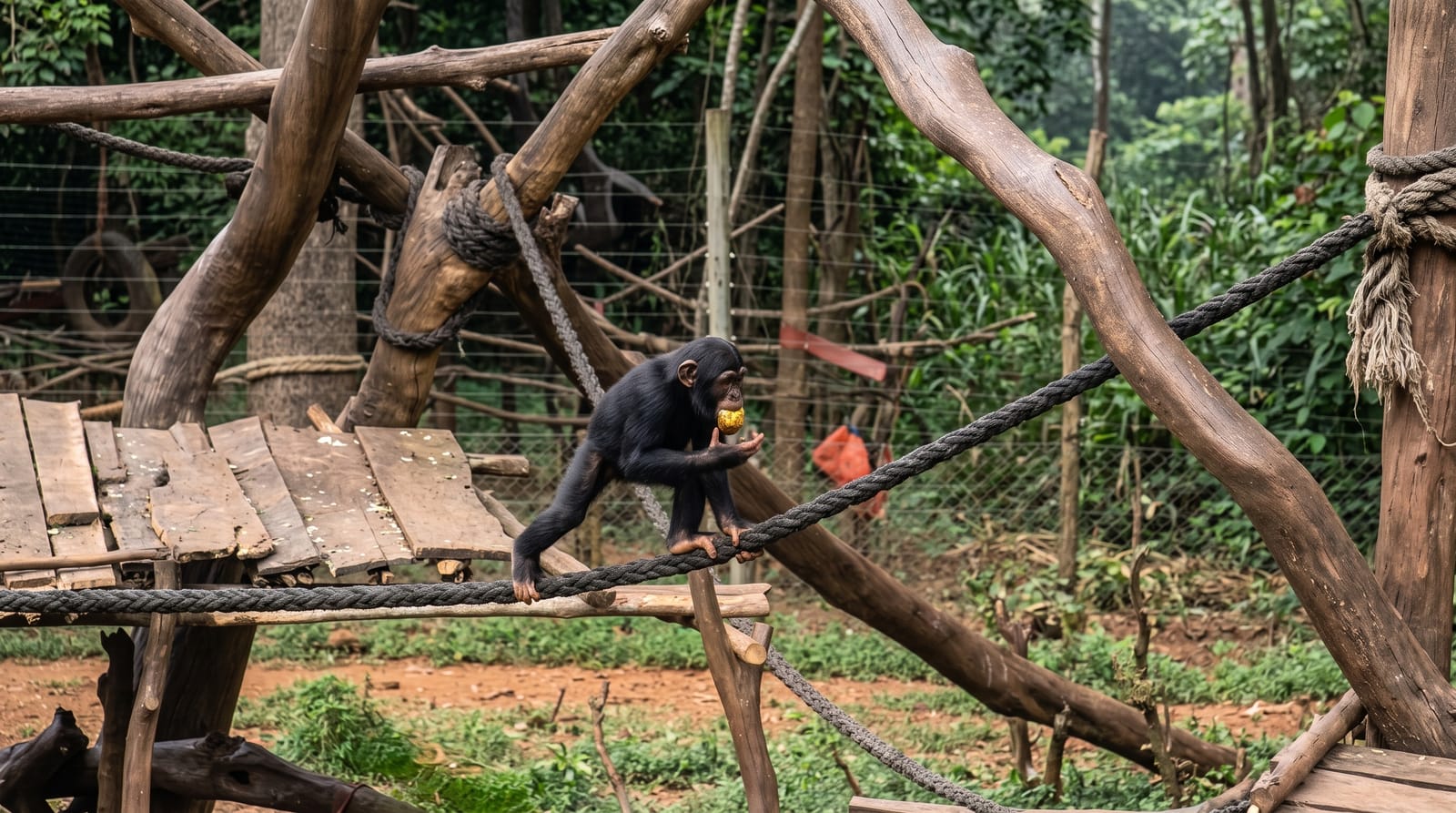
- The free lemurs - animals moving around visitors in an open area.
When to go
March to June and September to November; Valencia summers are hot and both animals and visitors are less active. Feeding and keeper sessions run through the day and are posted at the entrance.
Things to know
Tickets are expensive, particularly for families. Summer heat reduces animal activity considerably. The immersion design does not change the fundamental objections some visitors have to zoos.
Nearby
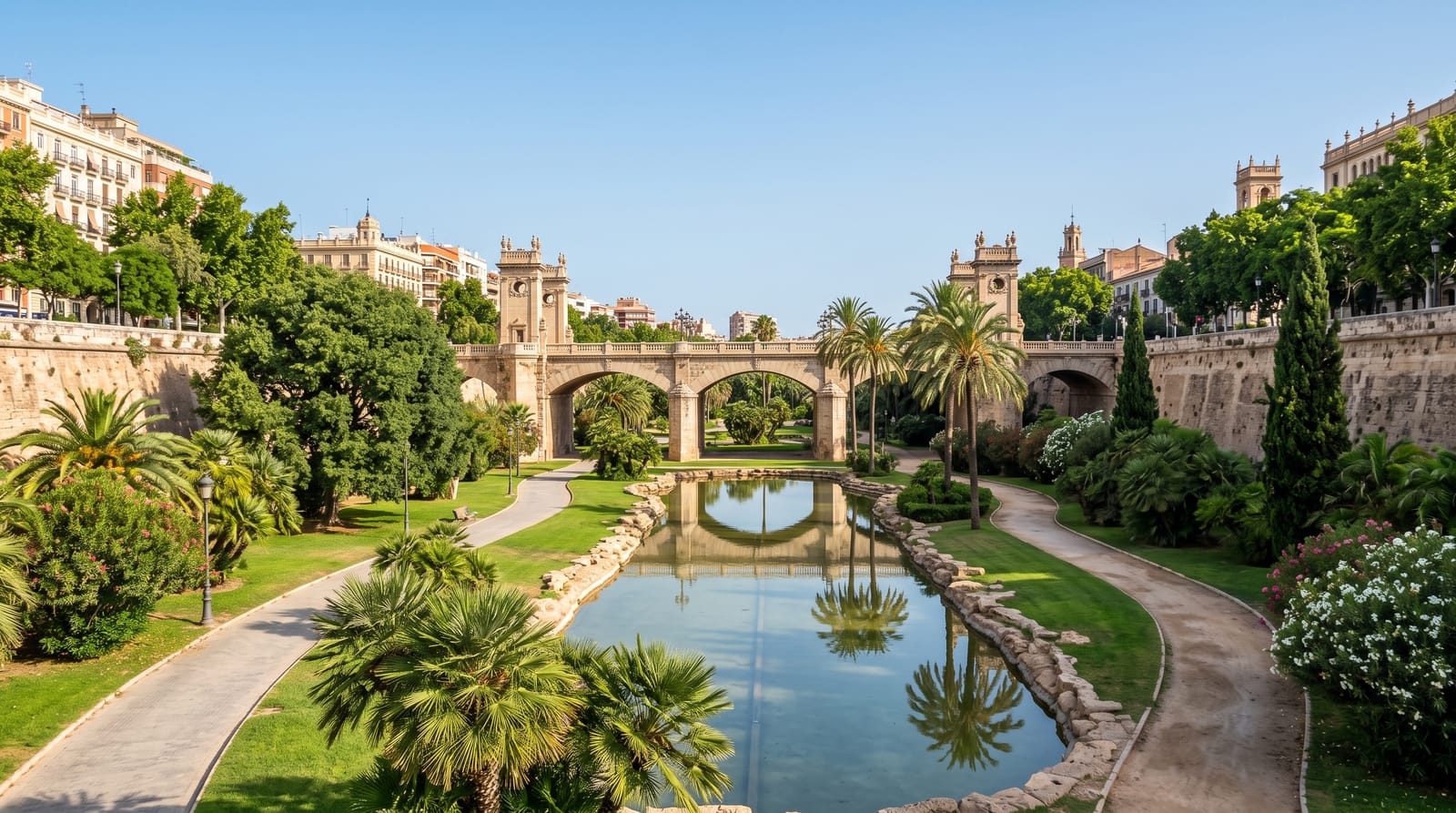
The Turia gardens run east through the city; the City of Arts and Sciences is at the far end.
Key facts
Source: Wikidata, item Q1954263, read on 18 October 2026.
What to pack for Bioparc Valencia
Chosen from what this place is for. Tap a kit for the full checklist.
- Binoculars - The single best wildlife tool - even a compact pair transforms a sighting. Find on Amazon
- Comfortable walking shoes - Sightseeing means kilometres of pavement and cobbles daily. Find on Amazon
- A zoom camera or long lens - Animals rarely come close; reach beats megapixels. Find on Amazon
- A slim anti-theft daypack - Zips that close properly; keep it in front in crowds and on transit. Find on Amazon
Some links on this page are Amazon affiliate links - if you buy through them we may earn a small commission at no extra cost to you.
All packing kitsPlan your trip
Where to start if Bioparc Valencia is going on the list.
Booking links on this page are affiliate links - if you book through them we may earn a small commission at no extra cost to you. It never changes what we write about a place.
Opening times, ticket prices and seasonal closures change - check the official source before you go: official site.