Antequera Dolmens
Three prehistoric burial monuments aligned on natural landmarks, among the largest megalithic structures in Europe.
Updated 4 September 2026
AI illustration
UNESCO World Heritage
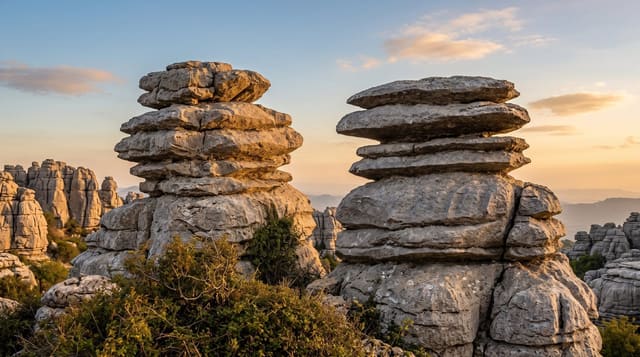
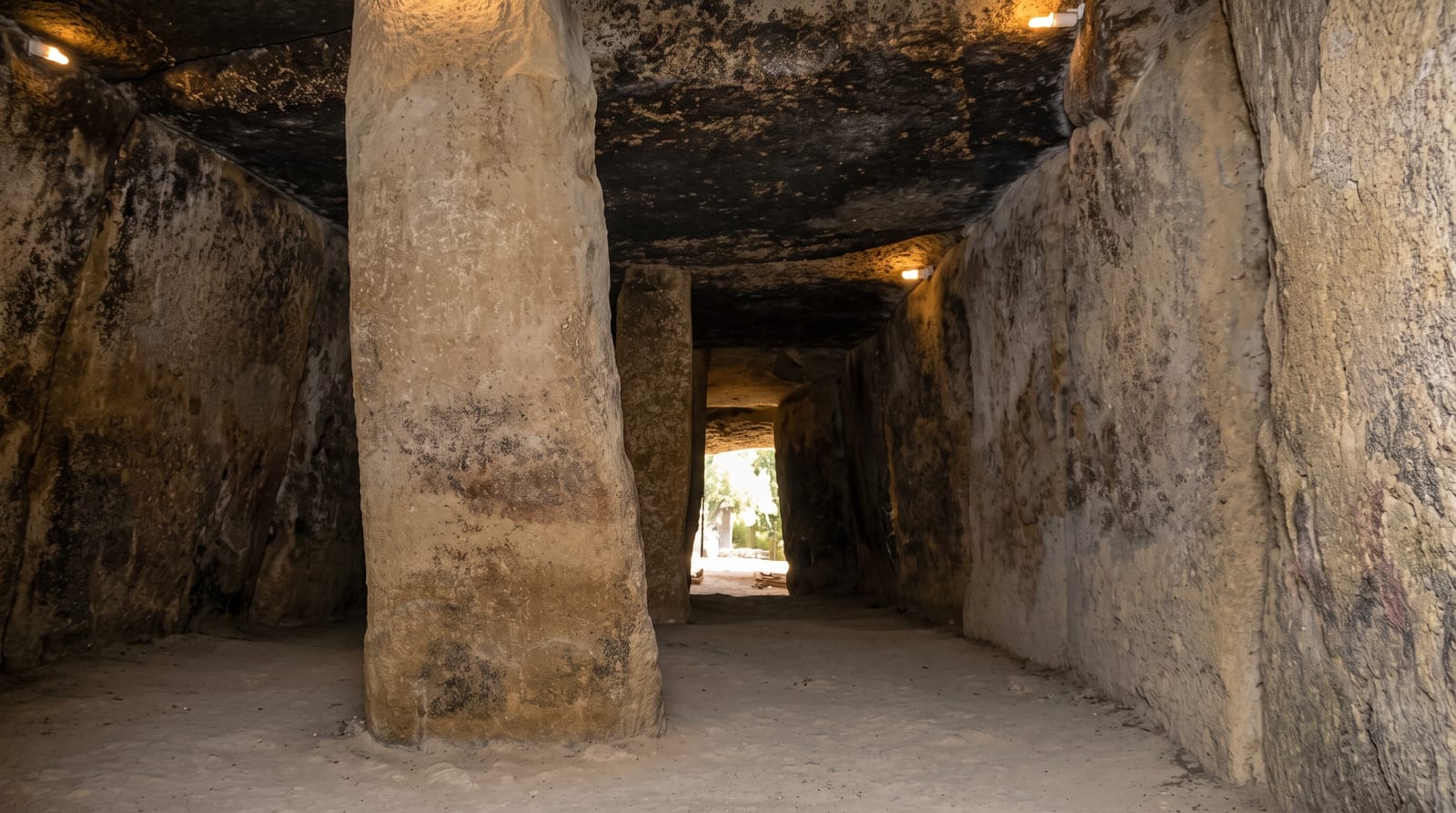
The Antequera site was inscribed by UNESCO in 2016 and covers three monuments and two natural landmarks treated as part of the same design. The Menga dolmen, built around 3600 BC, is a corridor tomb roofed with capstones weighing up to 180 tonnes, among the largest single stones moved anywhere in prehistoric Europe, and it is oriented not toward a solstice but toward the Pena de los Enamorados, a mountain whose profile resembles a human face. The Viera dolmen stands beside it. El Romeral, three kilometres away, is a later tholos with a corbelled dome. The fifth element is El Torcal, the karst plateau south of the town. A visitor centre serves Menga and Viera.
Highlights
- The Menga dolmen - a corridor tomb roofed with stones up to 180 tonnes.
- The Pena alignment - Menga oriented on a mountain resembling a face.
- El Romeral - a later tholos with a corbelled stone dome.
- The Viera dolmen - a narrow corridor tomb beside Menga.
When to go
Spring and autumn; the site is exposed and Antequera is hot in summer. El Romeral keeps shorter hours than the main site and closes on some days, so checking before driving out is worthwhile.
Good to know
The three monuments are in two separate locations, requiring a short drive. Entry is free but hours are limited and both sites close on Mondays. The interiors are dark and cannot be photographed with flash.
Nearby
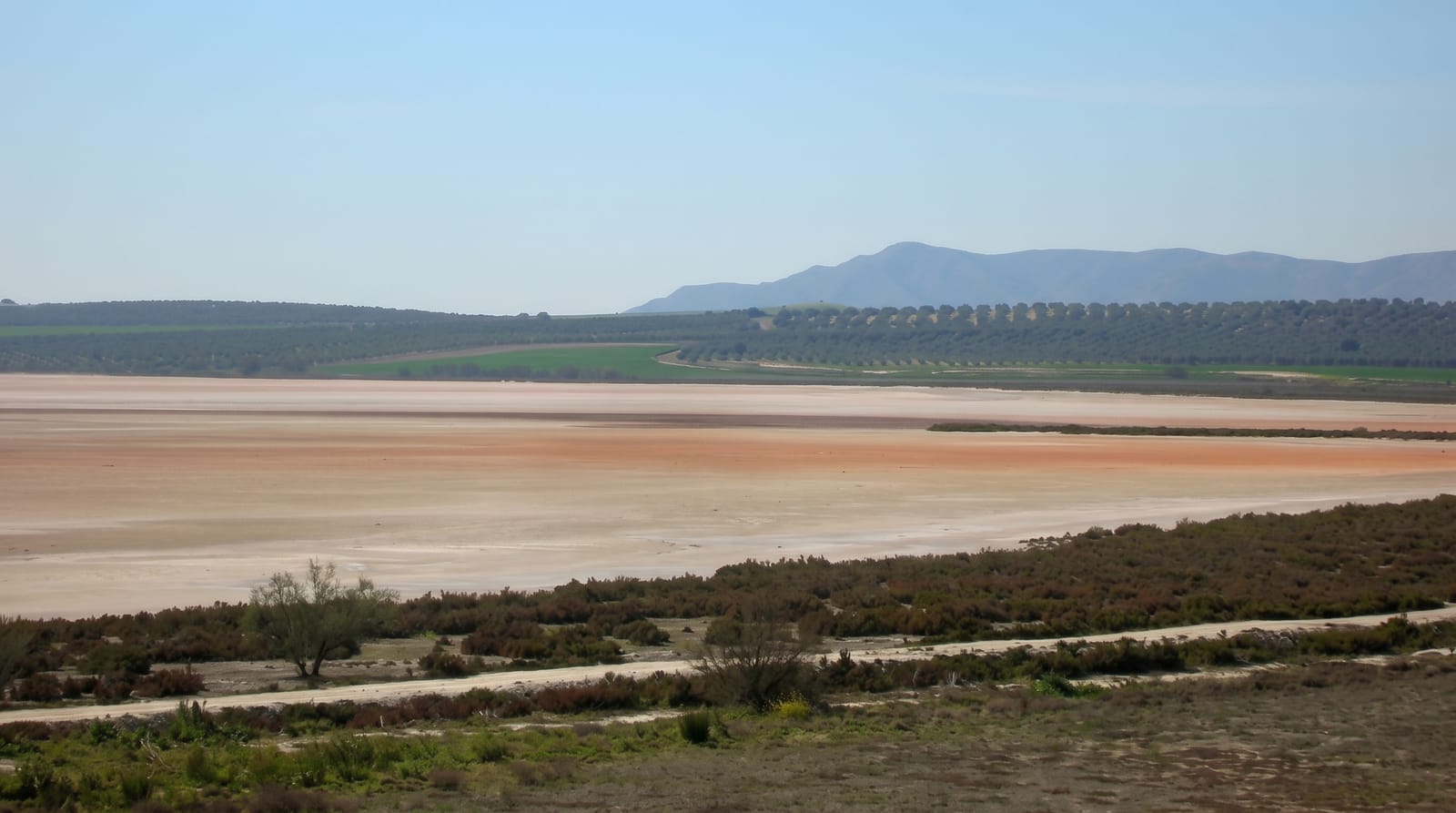
El Torcal's karst plateau is south; the Fuente de Piedra flamingo lagoon lies northwest.
Key facts
Source: Wikidata, item Q97633694, read on 18 October 2026.
What to pack for Antequera Dolmens
Chosen from what this place is for. Tap a kit for the full checklist.
- Reef-safe sunscreen - High SPF that will not bleach the coral you are swimming over. Find on Amazon
- Comfortable walking shoes - Sightseeing means kilometres of pavement and cobbles daily. Find on Amazon
- Quick-dry towel - A microfibre towel packs small and dries in minutes. Find on Amazon
- A slim anti-theft daypack - Zips that close properly; keep it in front in crowds and on transit. Find on Amazon
Some links on this page are Amazon affiliate links - if you buy through them we may earn a small commission at no extra cost to you.
All packing kitsPlan your trip
Where to start if Antequera Dolmens is going on the list.
Booking links on this page are affiliate links - if you book through them we may earn a small commission at no extra cost to you. It never changes what we write about a place.
Opening times, ticket prices and seasonal closures change - check the official source before you go: official site.