Ssanggyesa Temple
A Jirisan temple above Hadong, at the head of the valley where Korean tea was first planted.
Updated 21 October 2026
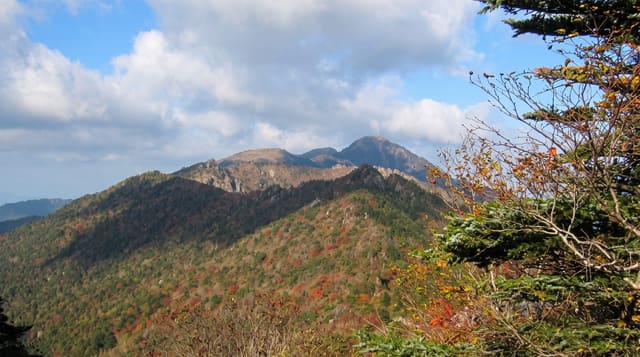
Ssanggyesa sits where two streams meet below the southern ridges of Jirisan, founded in 722 by Sambeop and Daebi, disciples of Uisang who had gone to China, and renamed Ssanggyesa, twin streams temple, by the monk Jingam in the ninth century, and it is the traditional home of two things. One is Korean tea: the records say seeds brought from Tang China were planted on these slopes in 828, and the Hwagae valley below is still the country's oldest tea-growing area, worked on small terraces rather than plantations. The other is beompae, the chanted Buddhist ritual music, which tradition holds was introduced here by the monk Jingam - whose memorial stele, carved with an inscription by the scholar Choe Chi-won in 887, stands in the courtyard and is a National Treasure. The road up from Hwagae is lined with cherry for about six kilometres and in early April it is one of the busiest blossom drives in the south. Above the temple, paths continue to Buril falls and into Jirisan.
The main sights
- The Jingam stele - the 887 inscription in the courtyard.
- The tea slopes - the oldest tea ground in Korea, below.
- The cherry road - six kilometres up from Hwagae.
- The valley trails - Buril falls and the Jirisan paths above.
When to go
Late March to early April for blossom, which is spectacular and gridlocked; May for the tea harvest; October for colour. Weekdays in blossom season are far better than weekends.
Good to know
Ticketed, with a walk from the gate. In blossom season the valley road can take hours and parking runs out early. The temple buildings are modest - the setting and the stele are the interest.
Nearby
Hwagae market is at the valley mouth; Hwaeomsa and Gurye are west along the Seomjin.
Key facts
Source: Wikidata, item Q623528, read on 18 October 2026.
What to pack for Ssanggyesa Temple
Chosen from what this place is for. Tap a kit for the full checklist.
- Comfortable walking shoes - Sightseeing means kilometres of pavement and cobbles daily. Find on Amazon
- Modest clothing - Shoulders and knees covered - the single most common requirement. Find on Amazon
- A slim anti-theft daypack - Zips that close properly; keep it in front in crowds and on transit. Find on Amazon
- A scarf or shawl - To cover the head or shoulders on entry; women especially at mosques. Find on Amazon
Some links on this page are Amazon affiliate links - if you buy through them we may earn a small commission at no extra cost to you.
All packing kitsPlan your trip
Where to start if Ssanggyesa Temple is going on the list.
Booking links on this page are affiliate links - if you book through them we may earn a small commission at no extra cost to you. It never changes what we write about a place.
Opening times, ticket prices and seasonal closures change - check the official source before you go: official site.