Hwaeomsa Temple
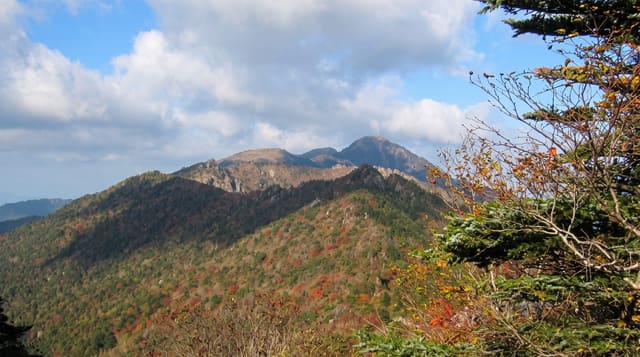
The great Jirisan monastery at Gurye, holding a lantern carried on three lions and a hall with stone-carved scriptures.
Updated 20 October 2026
Hwaeomsa is the largest monastery on the southern side of Jirisan, though it is not one of the seven UNESCO-listed Sansa. Its treasures are stone. A four-lion three-storey pagoda stands on the terrace above the compound, four seated lions in place of the usual pillars supporting the body, with a figure beneath them; alongside it is a stone lantern carried on a kneeling figure holding a cup. In the courtyard below is one of the largest stone lanterns in the country, well over six metres. The Gakhwangjeon is a great two-storey hall rebuilt in the early eighteenth century after the invasions, and the walls of its predecessor were faced with stone slabs incised with the Avatamsaka Sutra - broken into thousands of fragments when the temple burned, and painstakingly reassembled over decades. An old red plum called Hongmaehwa flowers in March and draws photographers from across the country.
Highlights
- The four-lion pagoda - on the upper terrace, with its paired lantern.
- The great stone lantern - among the largest in Korea.
- Gakhwangjeon - the great two-storey hall of the early 1700s.
- The stone sutra fragments - the reassembled inscribed slabs.
When to go
March for the red plum, April to June, and October. Plum weekends and autumn are crowded; weekday mornings are calm.
Good to know
Ticketed as part of the national park, with a shop street before the gate. The four-lion pagoda is a short climb above the compound. It is a working monastery with the usual restrictions.
Nearby
The Jirisan Nogodan trail starts above; the Seomjin river and Gurye are below.
Key facts
Source: Wikidata, item Q491233, read on 18 October 2026.
What to pack for Hwaeomsa Temple
Chosen from what this place is for. Tap a kit for the full checklist.
- Broken-in walking shoes or boots - Grip and ankle support matter more than looks; never hike in brand-new boots. Find on Amazon
- Comfortable walking shoes - Sightseeing means kilometres of pavement and cobbles daily. Find on Amazon
- Modest clothing - Shoulders and knees covered - the single most common requirement. Find on Amazon
- Layers + a waterproof shell - Mountain weather turns fast; a packable rain jacket saves the day. Find on Amazon
Some links on this page are Amazon affiliate links - if you buy through them we may earn a small commission at no extra cost to you.
All packing kitsPlan your trip
Where to start if Hwaeomsa Temple is going on the list.
Booking links on this page are affiliate links - if you book through them we may earn a small commission at no extra cost to you. It never changes what we write about a place.
Opening times, ticket prices and seasonal closures change - check the official source before you go: official site.