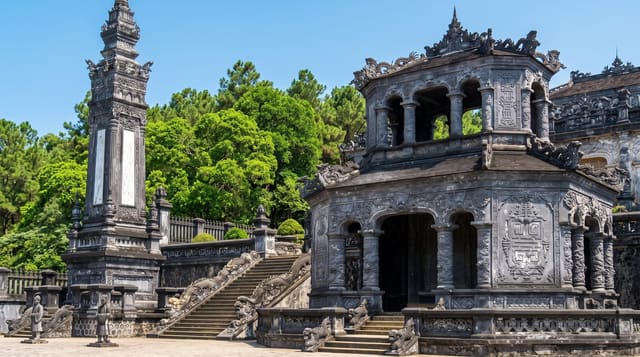
Bulguksa and Seokguram
The masterpieces of Silla Buddhism - a serene, exquisitely built hillside temple and, above it, a grotto sheltering a sublime stone Buddha, together the crowning artistic achievements of ancient Korea, a UNESCO site.
Updated 5 August 2026

AI illustration
UNESCO World Heritage
Bulguksa and Seokguram, in the hills outside Gyeongju, are the crowning artistic and spiritual achievements of the ancient Silla kingdom and a UNESCO treasure. Bulguksa is a serene, beautifully proportioned Buddhist temple of the eighth century, famed for its exquisite stone bridges, pagodas and terraces. Above it, the Seokguram Grotto shelters a sublime and serene white granite Buddha, gazing out toward the distant sea, one of the finest Buddhist sculptures in Asia.
What you'll find
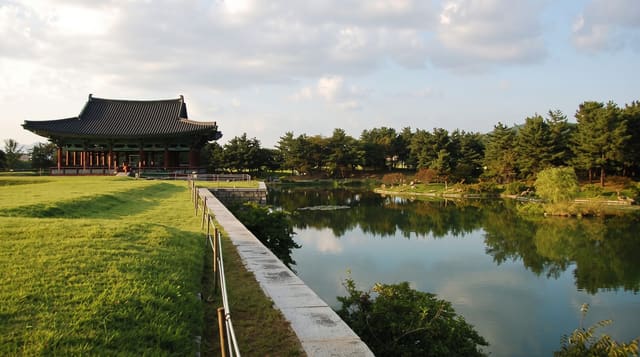
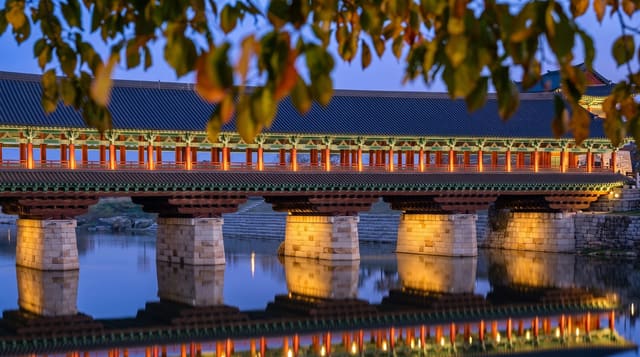
- Bulguksa temple - the serene temple with its stone terraces and pagodas.
- The stone pagodas - the famous Dabotap and Seokgatap pagodas.
- The Seokguram Grotto - the sublime seated stone Buddha above.
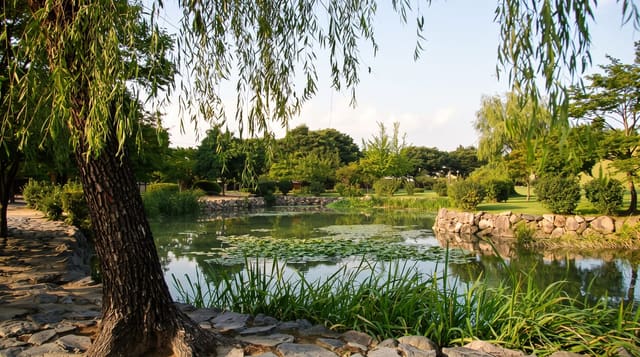
- The hillside setting - the temples in their wooded mountain surroundings.
When to go
Spring and autumn for the mildest weather and blossom or autumn colour; go early to enjoy the serene temple before the crowds. Bulguksa and the grotto above are usually visited together.
What to expect
The famous Seokguram Buddha is now viewed through a glass screen from a walkway, to protect it, rather than up close, which some find distancing. It is a working temple and a popular site, so it can be busy. It is best combined with Gyeongju itself, and the two sites, temple below and grotto above, need a little travel between them.
Nearby
The ancient city of Gyeongju is just below; the coast is a short drive east.
What to pack for Bulguksa and Seokguram
Chosen from what this place is for. Tap a kit for the full checklist.
- Head torch + spare batteries - Hands-free light is essential; caves are truly dark. Find on Amazon
- Comfortable walking shoes - Sightseeing means kilometres of pavement and cobbles daily. Find on Amazon
- Modest clothing - Shoulders and knees covered - the single most common requirement. Find on Amazon
- Grippy closed shoes - Cave floors are wet, muddy and slick with formations. Find on Amazon
Some links on this page are Amazon affiliate links - if you buy through them we may earn a small commission at no extra cost to you.
All packing kitsPlan your trip
Where to start if Bulguksa and Seokguram is going on the list.
Booking links on this page are affiliate links - if you book through them we may earn a small commission at no extra cost to you. It never changes what we write about a place.
Opening times, ticket prices and seasonal closures change - check the official source before you go: official site.