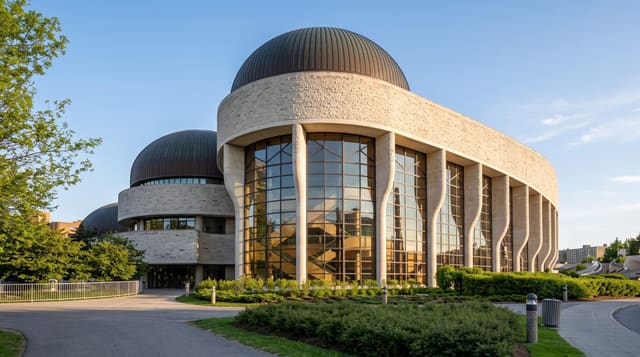
Esie Museum
Nigeria's first museum, holding around a thousand carved soapstone figures of unknown origin found at Esie.
Updated 21 October 2026
The soapstone figures at Esie number over a thousand, seated and standing human forms between a few centimetres and about a metre tall, carved with detailed hairstyles, beads, weapons and facial marks, and they were found in a grove at Esie by the local community, who venerated them as ancestors turned to stone and made annual offerings. Who carved them, when and why is not settled: estimates run from the twelfth to the sixteenth century, and the style does not match neighbouring traditions. The museum built to house them in 1945 was the first in Nigeria. The annual Esie festival still marks the figures.
What's there
- The soapstone figures - the seated and standing carved human forms.
- Detail on the carvings - hairstyles, beads, weapons and facial marks.
- The 1945 museum - the first museum building established in Nigeria.
- The unresolved question - the unknown origin the displays discuss.
When to go
November to March in the dry season. The Esie festival, usually in April, involves the community's observances at the site. Weekday mornings are most reliable for opening.
What to expect
The museum is small, dated and has suffered from underfunding; some figures are damaged. Opening hours can be irregular. Interpretation is limited. Esie is a long drive from Ilorin on indifferent roads.
Nearby
Ilorin lies northwest; Owu falls are north.
Key facts
Source: Wikidata, item Q5397968, read on 18 October 2026.
What to pack for Esie Museum
Chosen from what this place is for. Tap a kit for the full checklist.
- Comfortable walking shoes - Sightseeing means kilometres of pavement and cobbles daily. Find on Amazon
- A slim anti-theft daypack - Zips that close properly; keep it in front in crowds and on transit. Find on Amazon
- A refillable water bottle - Many cities have public fountains; save money and plastic. Find on Amazon
- A light layer + compact umbrella - For museum air-con and a sudden shower. Find on Amazon
Some links on this page are Amazon affiliate links - if you buy through them we may earn a small commission at no extra cost to you.
All packing kitsPlan your trip
Where to start if Esie Museum is going on the list.
Booking links on this page are affiliate links - if you book through them we may earn a small commission at no extra cost to you. It never changes what we write about a place.
Opening times, ticket prices and seasonal closures change - check the official source before you go: official site.