Byzantine and Christian Museum
Icons, mosaics and church treasures spanning a thousand years of Byzantium, in a Florentine-style villa off Vasilissis Sofias.
Updated 19 October 2026
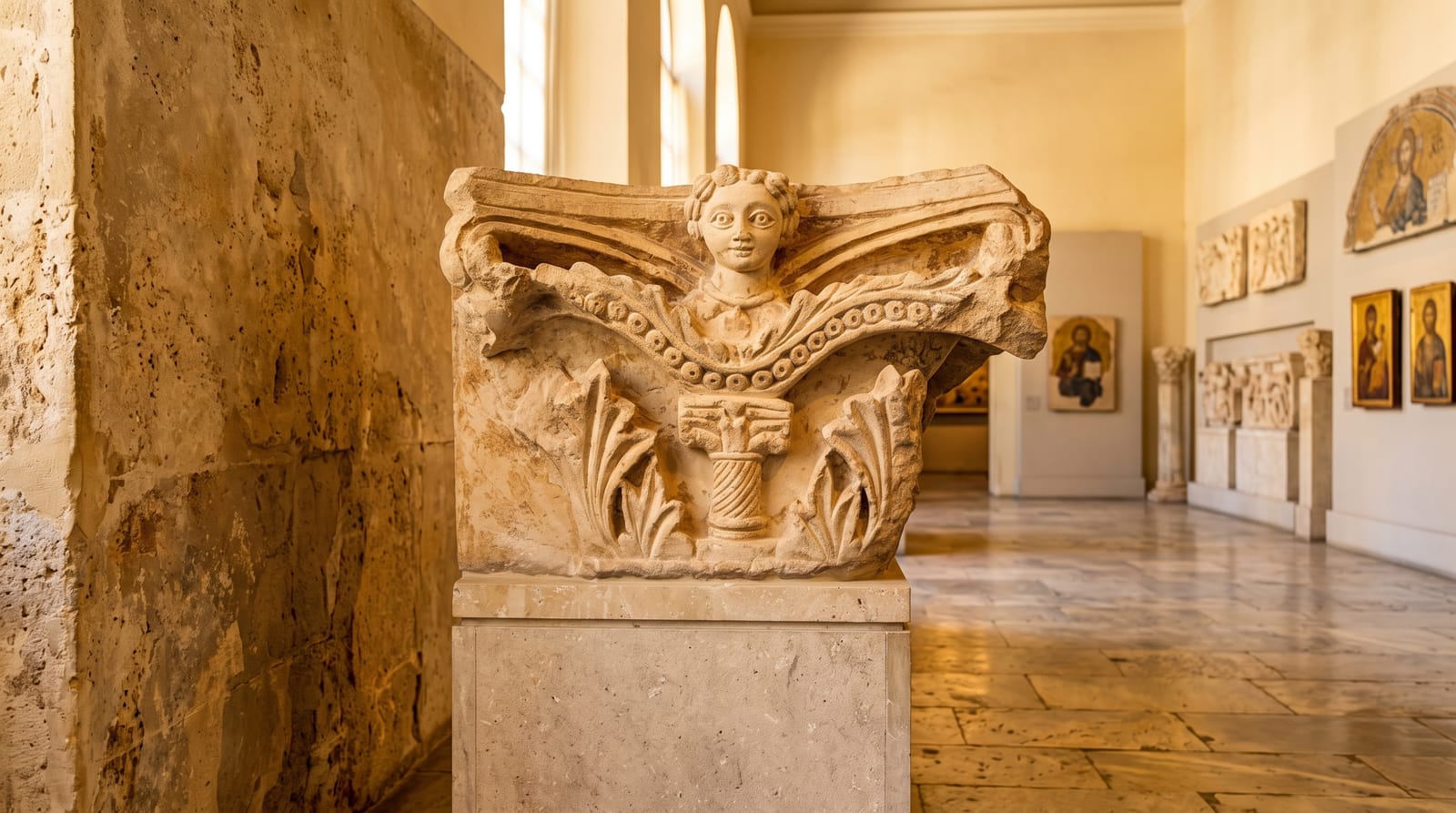
AI illustration
Housed in the Villa Ilissia, built in the 1840s for the Duchess of Plaisance, this is the richest collection of Byzantine art in Greece: some 30,000 objects of which around 3,000 are shown, arranged underground in galleries dug beneath the villa's garden. The displays run chronologically from the late Roman world through the rise of Christianity, the iconoclast crisis and the mature Byzantine centuries to the post-Byzantine painters of Crete. Highlights include wall paintings lifted whole from ruined churches and reassembled, a double-sided icon of the Virgin, early Coptic textiles and a reconstructed early Christian basilica. The garden itself is free to enter and one of the pleasantest quiet corners in central Athens.
History
The museum was founded in 1914 and first housed on the first floor of the Academy, later moving to the Ilissia Villa of the Duchesse de Plaisance, a building of 1848. It holds more than 25,000 exhibits, icons, scriptures, frescoes, pottery, textiles and manuscripts from the 3rd century AD to the late Middle Ages, and in June 2004, for its 90th anniversary, it reopened after a thorough renovation and the addition of a new wing (Wikipedia, Byzantine and Christian Museum).
What's there
- The icon galleries - painted panels from the sixth century onward.
- The rescued wall paintings - frescoes removed from collapsing churches and rebuilt.
- The basilica reconstruction - an early Christian church interior recreated at scale.
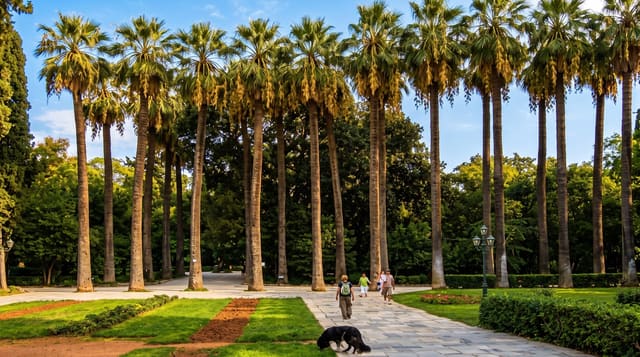
- The villa garden - courtyard, fountain and shade, open without a ticket.
When to go
Year-round; the galleries are underground and cool, which makes them a sensible refuge in a hot Athenian afternoon. Allow more time if temporary exhibitions are on.
Practical notes
Byzantine art is repetitive by design, and visitors expecting classical marbles may find several rooms of icons heavy going. Labelling is good but dense. The scale is large enough that a targeted visit beats a complete one.
Nearby
The Museum of Cycladic Art is a short walk north; the National Gallery stands just east along the same avenue.
Key facts
Source: Wikidata, item Q1018775, read on 18 October 2026.
What to pack for Byzantine and Christian Museum
Chosen from what this place is for. Tap a kit for the full checklist.
- Head torch + spare batteries - Hands-free light is essential; caves are truly dark. Find on Amazon
- Comfortable walking shoes - Sightseeing means kilometres of pavement and cobbles daily. Find on Amazon
- Modest clothing - Shoulders and knees covered - the single most common requirement. Find on Amazon
- Grippy closed shoes - Cave floors are wet, muddy and slick with formations. Find on Amazon
Some links on this page are Amazon affiliate links - if you buy through them we may earn a small commission at no extra cost to you.
All packing kitsPlan your trip
Where to start if Byzantine and Christian Museum is going on the list.
Booking links on this page are affiliate links - if you book through them we may earn a small commission at no extra cost to you. It never changes what we write about a place.
Opening times, ticket prices and seasonal closures change - check the official source before you go: official site.