Capitoline Museums
The oldest public museums in the world, begun in 1471 when a pope gave bronzes back to the people of Rome.
Updated 19 October 2026
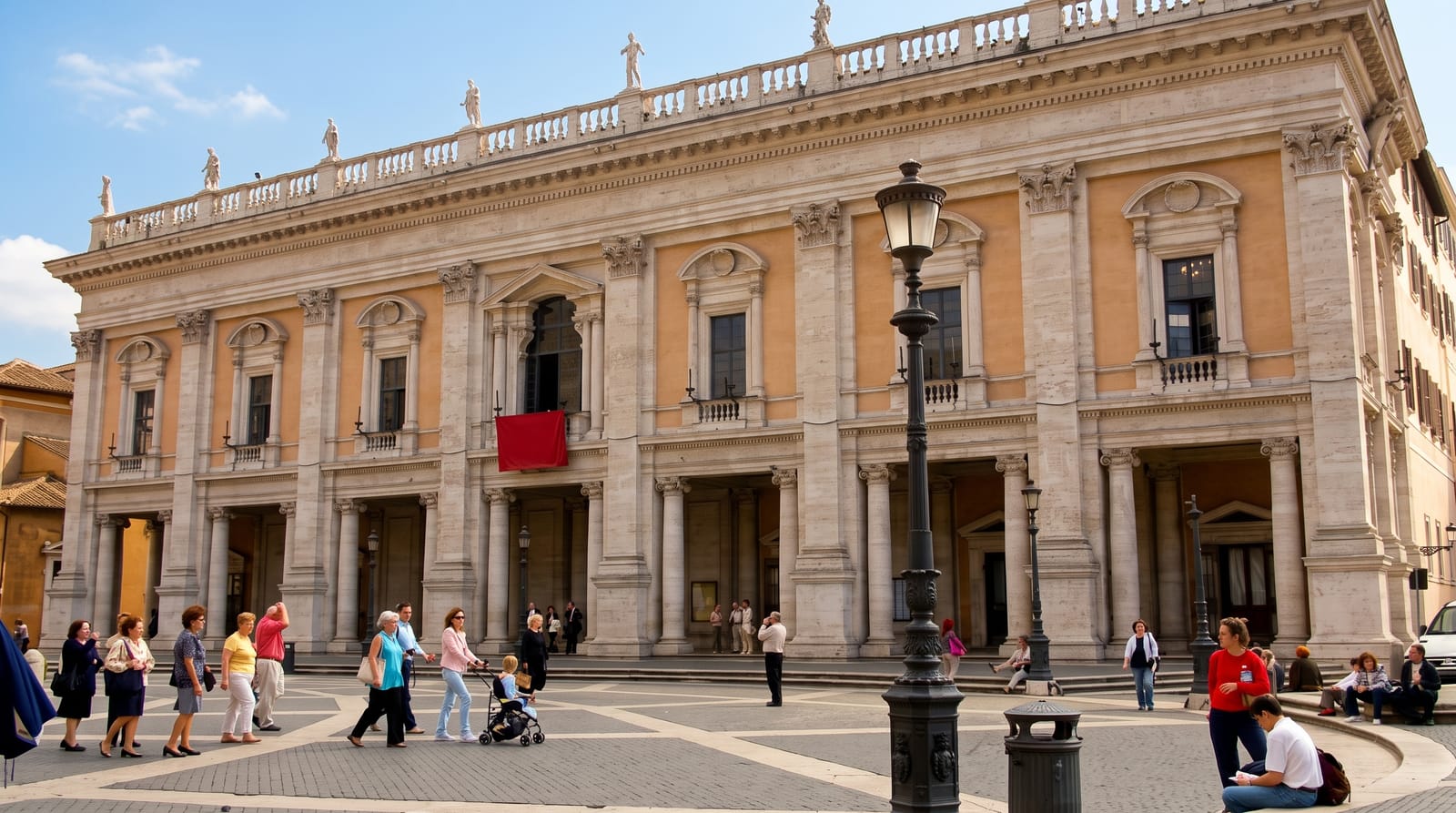
AI illustration
In 1471 Sixtus IV gave a group of ancient bronzes to the people of Rome and placed them on the Capitoline, which is generally taken as the founding of the world's first public museum collection. It grew across two palaces facing a square Michelangelo designed in the 1530s, with the paving pattern he drew and the equestrian bronze of Marcus Aurelius at the centre; the original statue is now indoors and a copy stands outside. It survived the melting-down of pagan bronzes because it was mistaken for Constantine. The collection includes the Capitoline Wolf, the Dying Gaul and the colossal fragments of Constantine's statue.
History
The museums trace their history to 1471, when Pope Sixtus IV gave a group of important ancient bronzes, until then kept in the Lateran Palace, to the people of Rome, and they remain the main civic museum complex of the city (Wikipedia, Capitoline Museums).
What's there
- The Marcus Aurelius bronze - the original indoors, a copy on the square.
- The Constantine fragments - a colossal head, hand and foot in the courtyard.
- The Capitoline Wolf - the she-wolf bronze that became Rome's emblem.
- Michelangelo's square - the piazza and paving he designed in the 1530s.
When to go
Year-round; the museums close Mondays in some seasons. The Tabularium gallery gives one of the best views over the Forum. Evening opening runs on some days.
Before you go
The collection is large and a single visit covers a fraction. Dating of the Capitoline Wolf is disputed, with recent tests suggesting medieval rather than Etruscan. Queues build in season.
Nearby
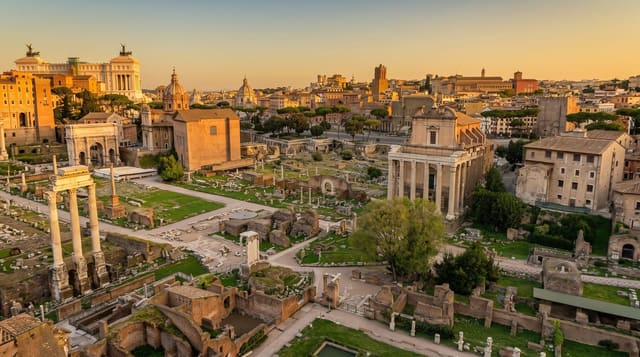
The Roman Forum lies below; Piazza Venezia is north.
Key facts
Source: Wikidata, item Q333906, read on 18 October 2026.
What to pack for Capitoline Museums
Chosen from what this place is for. Tap a kit for the full checklist.
- Comfortable walking shoes - Sightseeing means kilometres of pavement and cobbles daily. Find on Amazon
- A slim anti-theft daypack - Zips that close properly; keep it in front in crowds and on transit. Find on Amazon
- A refillable water bottle - Many cities have public fountains; save money and plastic. Find on Amazon
- A light layer + compact umbrella - For museum air-con and a sudden shower. Find on Amazon
Some links on this page are Amazon affiliate links - if you buy through them we may earn a small commission at no extra cost to you.
All packing kitsPlan your trip
Where to start if Capitoline Museums is going on the list.
Booking links on this page are affiliate links - if you book through them we may earn a small commission at no extra cost to you. It never changes what we write about a place.
Opening times, ticket prices and seasonal closures change - check the official source before you go: official site.