Mount John Observatory
A working research observatory above Tekapo, at the centre of the world's largest gold-status dark sky reserve.
Updated 29 October 2026
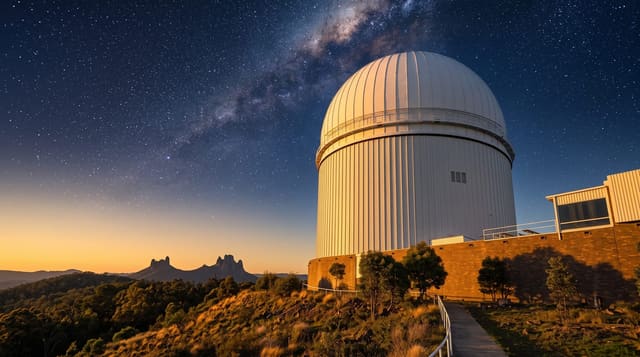
AI illustration
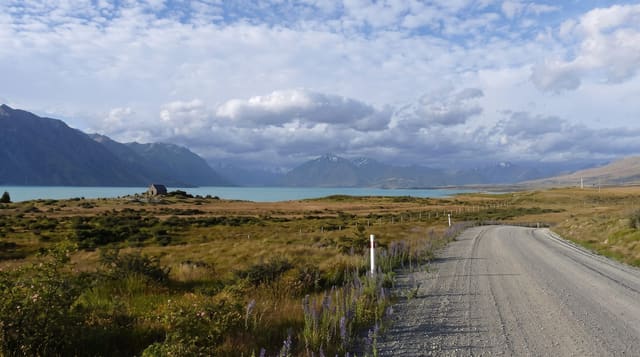
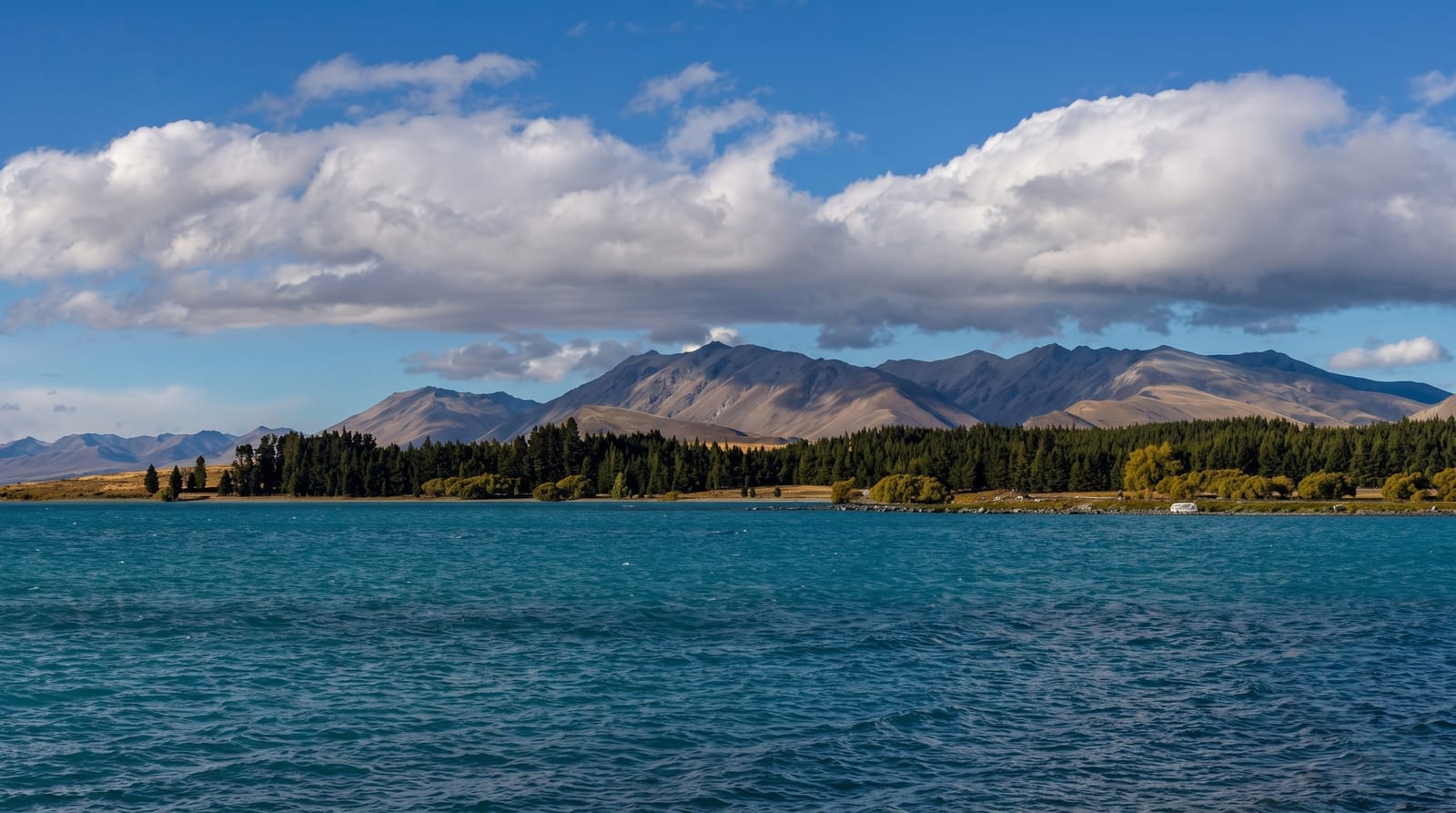
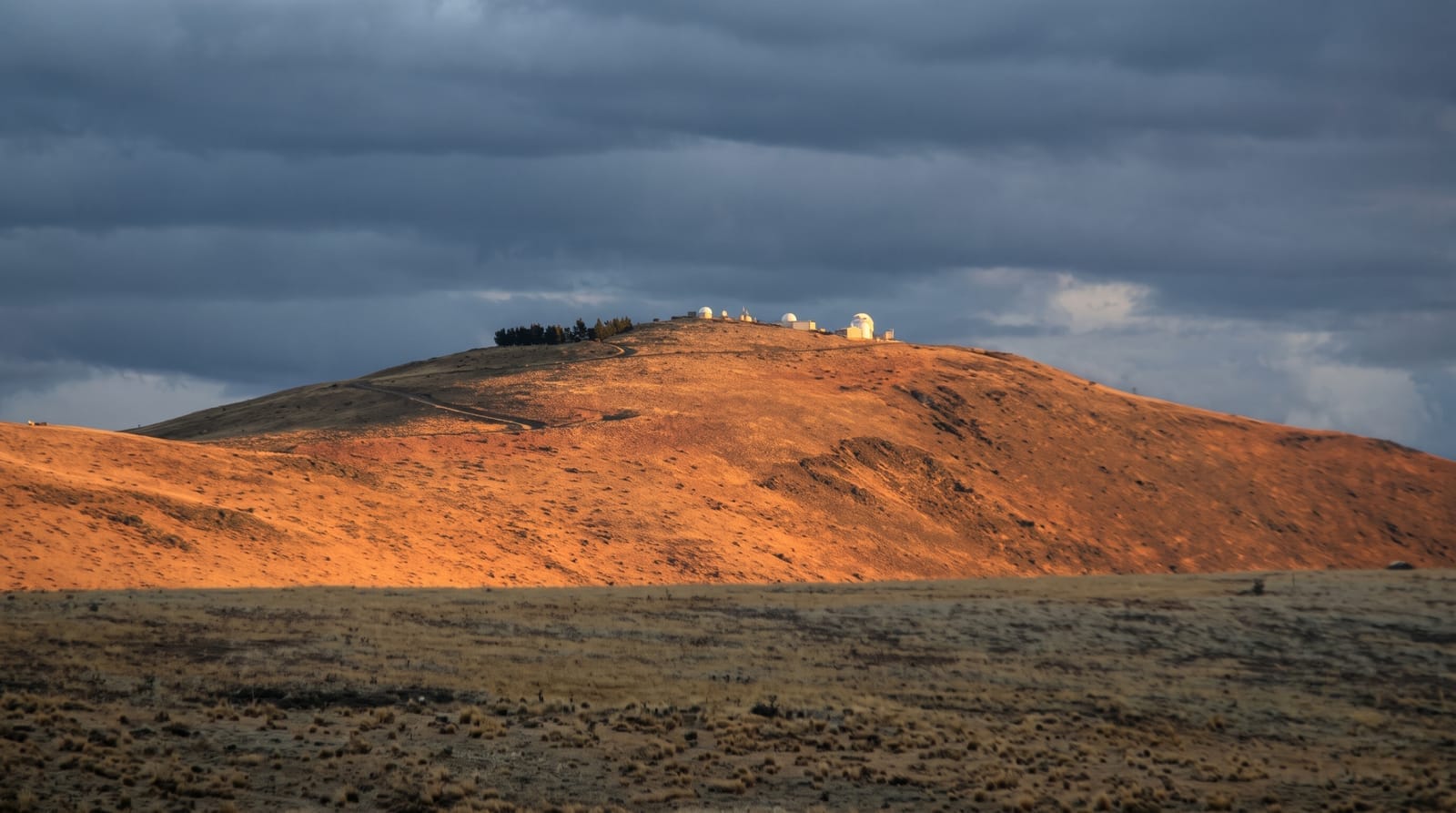
Mount John sits at just over a thousand metres above Lake Tekapo and carries the University of Canterbury's observatory, running since 1965 - a working research site with several telescopes, chosen for the Mackenzie Basin's combination of high altitude, dry air and very little cloud. In 2012 the surrounding area was declared the Aoraki Mackenzie International Dark Sky Reserve, at the time the largest gold-tier reserve in the world, achieved partly because the district had already restricted outdoor lighting from the 1980s to protect the observatory's work. Night tours run from Tekapo: transport up the mountain, telescope viewing and naked-eye guiding under skies where the Magellanic Clouds and the Milky Way's core are plainly visible. By day the summit road is open for a toll, with a cafe and a circular view over the lake and basin. Tours are cancelled for cloud, and the mountain is cold at night.
Background
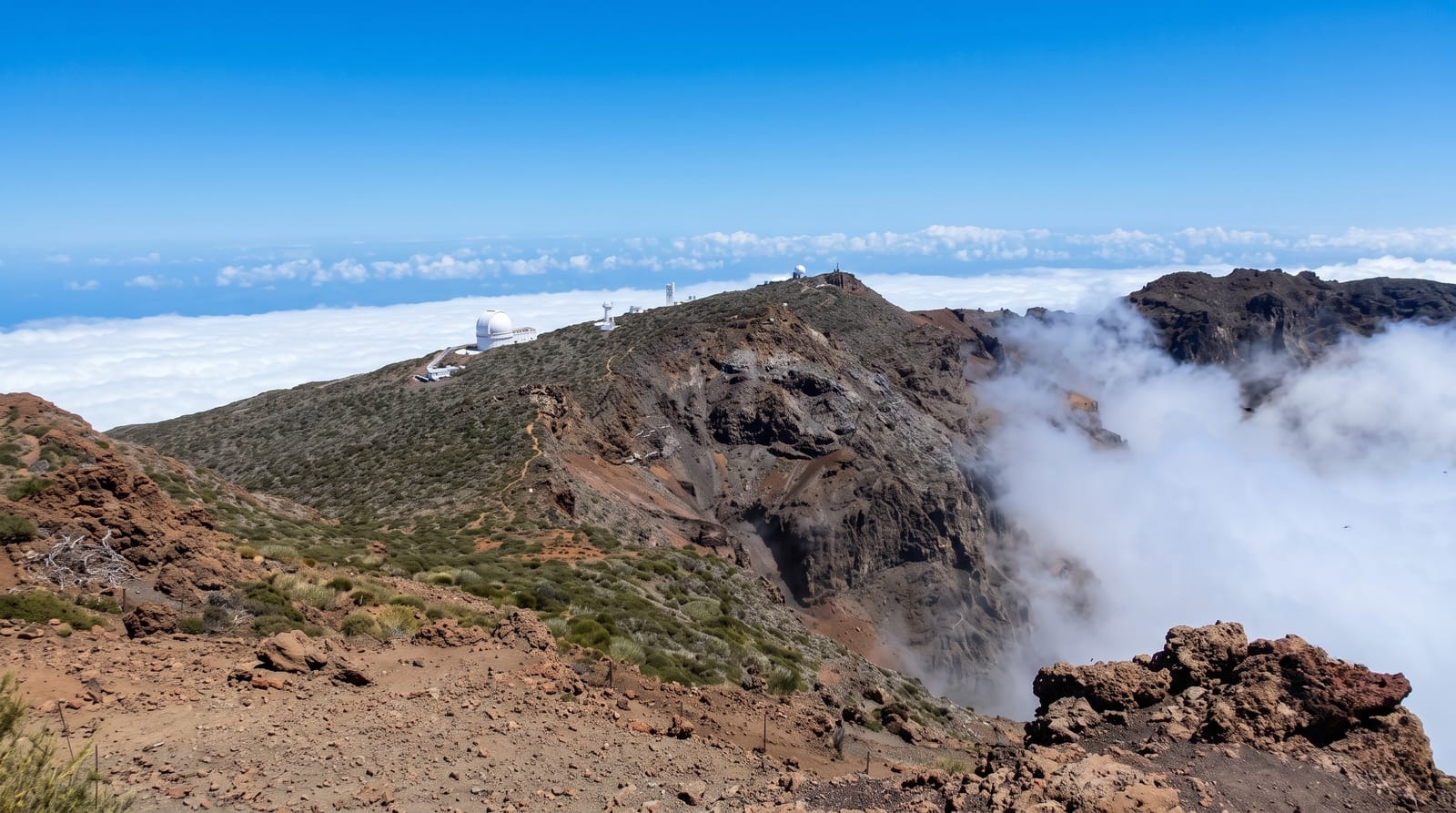
The University of Canterbury Mount John Observatory, formerly Mt John University Observatory, is the leading astronomical research observatory in New Zealand. Set up in 1965, it stands at 1,029 metres on top of Mount John, at the north end of the Mackenzie Basin on the South Island, near the resort town of Lake Tekapo. Its telescopes include one of 0.4 metre, two of 0.6 metre, one of 1.0 metre and the 1.8 metre MOA telescope, opened in December 2004. In June 2008 it was announced that the observatory's new MOA-II telescope had found the smallest planet then known outside the Solar System. In June 2012 the 430,000 hectares around the site became the Aoraki Mackenzie International Dark Sky Reserve, one of only four such reserves at the time.
Source: Wikipedia, "Mount John University Observatory"
Highlights
- The research telescopes - a working observatory, not a display.
- The dark sky reserve - among the darkest accessible skies anywhere.
- The night tours - telescope viewing and guided naked-eye sky.
- The daytime summit - the road, cafe and view over the basin.
When to go
Winter gives the clearest and darkest skies but also the coldest nights. Book tours ahead and expect cancellation for cloud. New moon for the faintest objects.
Good to know
Tours are ticketed, booked out in season and cancelled for cloud - build a spare night into any plan. It is bitterly cold at the summit at night; the tours supply jackets. The summit road charges a toll by day.
Nearby
The Church of the Good Shepherd is on the lakefront below; Lake Pukaki is south-west.
Key facts
Source: Wikidata, item Q4383524, read on 18 October 2026.
What to pack for Mount John Observatory
Chosen from what this place is for. Tap a kit for the full checklist.
- Spare batteries + cards - Cold and long shoots drain power; never run out at the good light. Find on Amazon
- Layers for big temperature swings - Warm sun by day, near-freezing at night, even near the equator. Find on Amazon
- Comfortable walking shoes - Sightseeing means kilometres of pavement and cobbles daily. Find on Amazon
- A compact tripod - Essential for night skies, aurora, waterfalls and low light. Find on Amazon
Some links on this page are Amazon affiliate links - if you buy through them we may earn a small commission at no extra cost to you.
All packing kitsPlan your trip
Where to start if Mount John Observatory is going on the list.
Booking links on this page are affiliate links - if you book through them we may earn a small commission at no extra cost to you. It never changes what we write about a place.
Opening times, ticket prices and seasonal closures change - check the official source before you go: official site.