Lake Tekapo
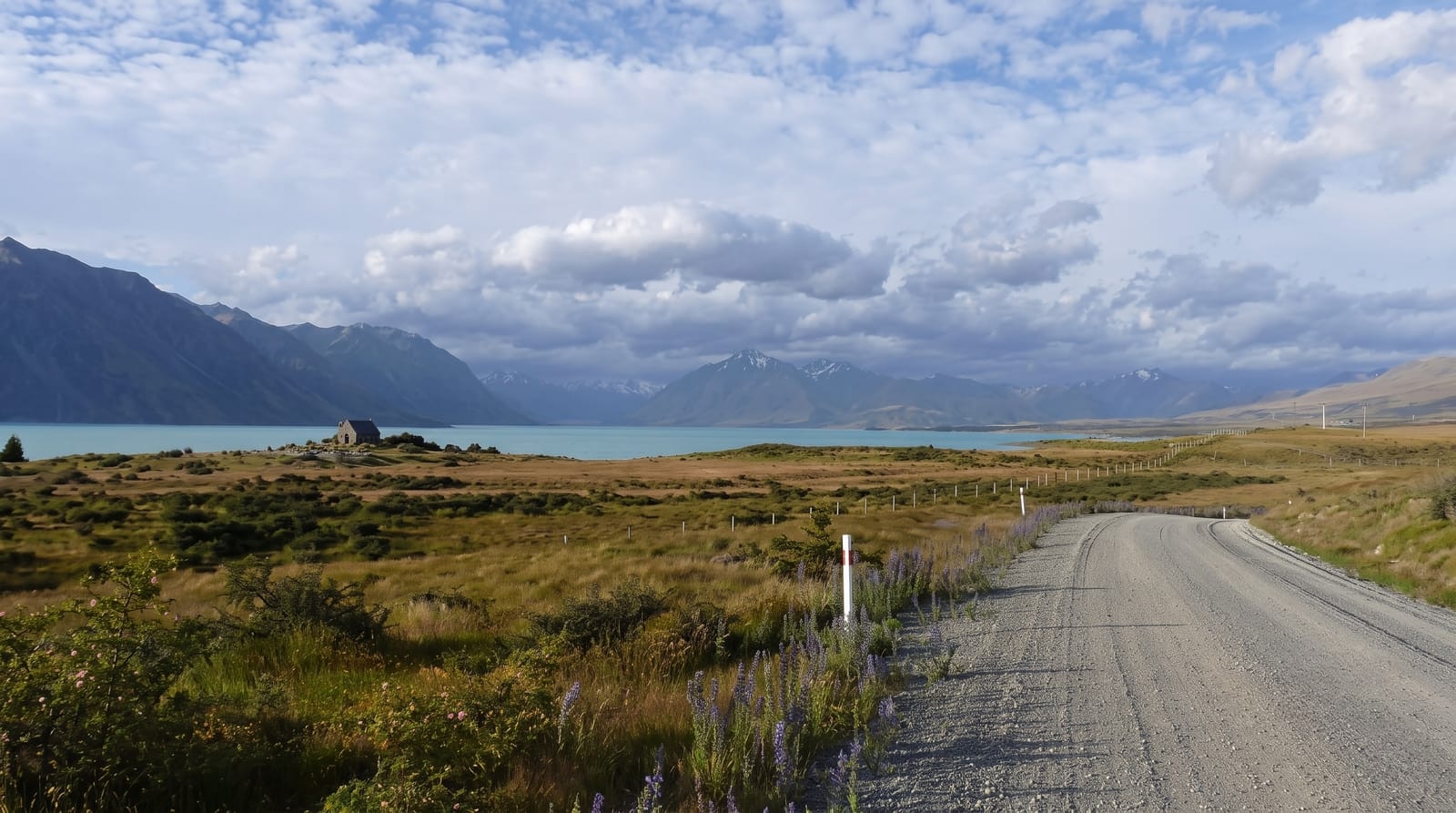
A glacier-fed lake of pale turquoise in the Mackenzie Basin, with a small stone church on the shore and a dark sky reserve above.
Updated 1 November 2026
AI illustration
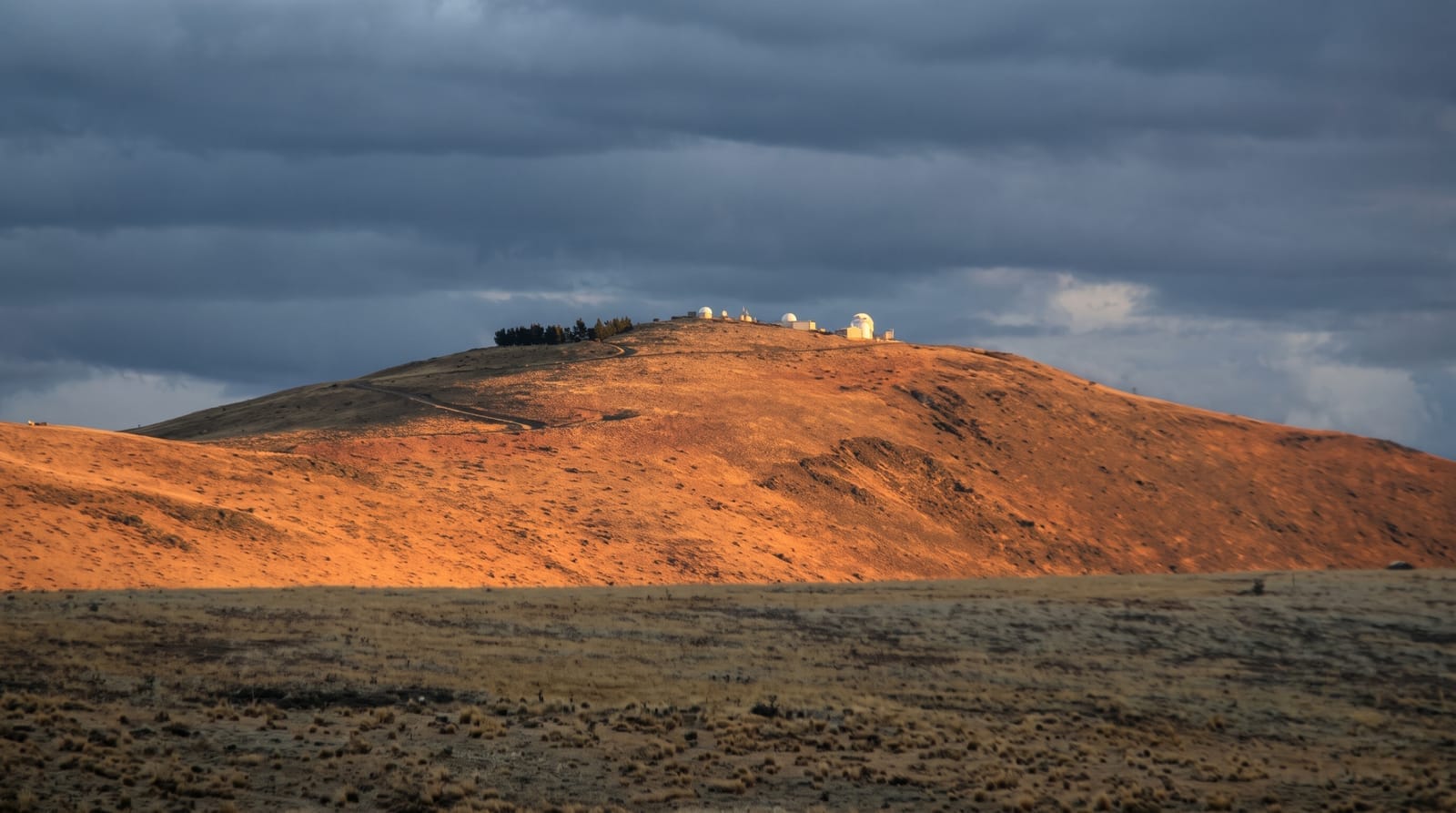
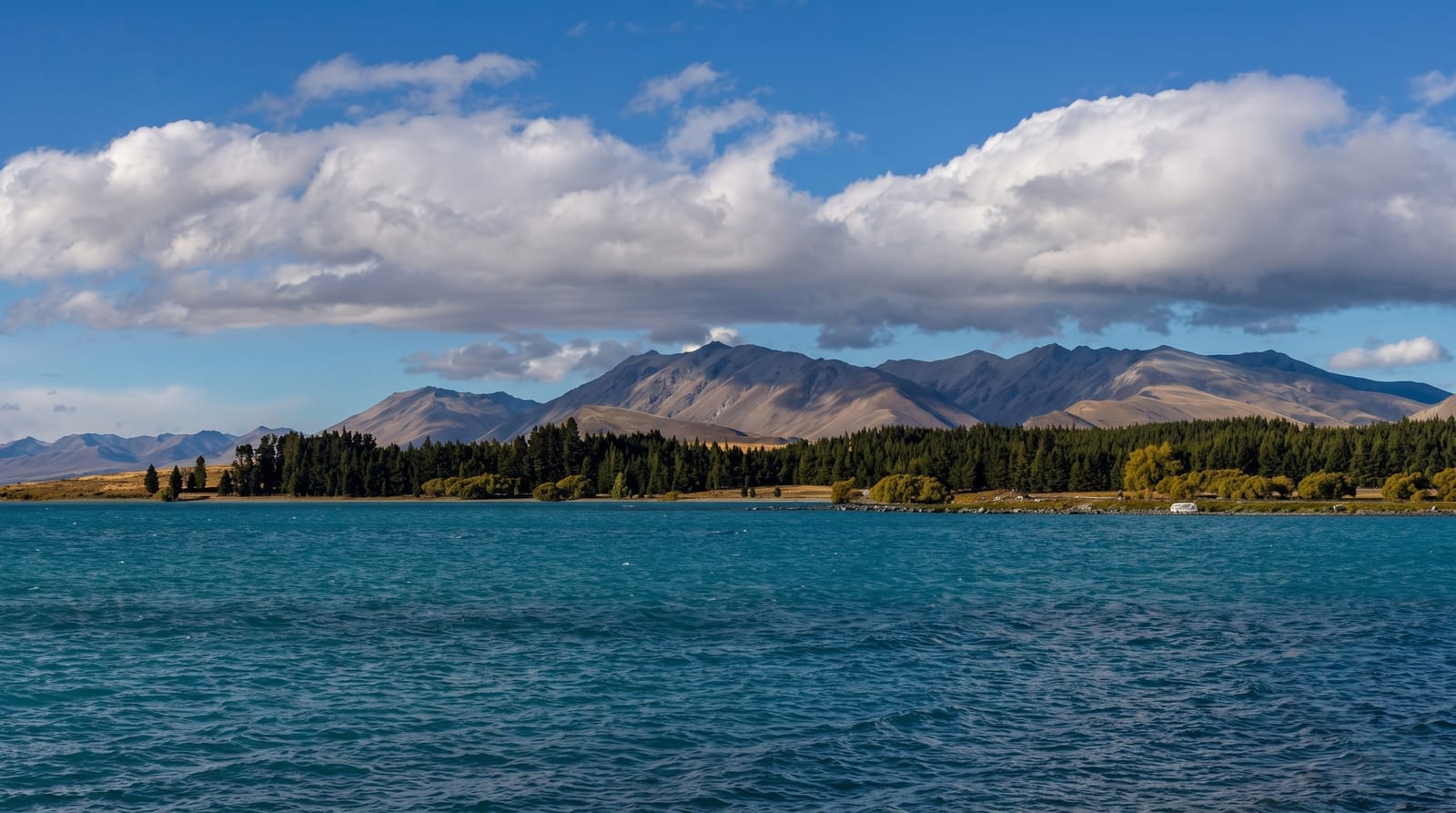
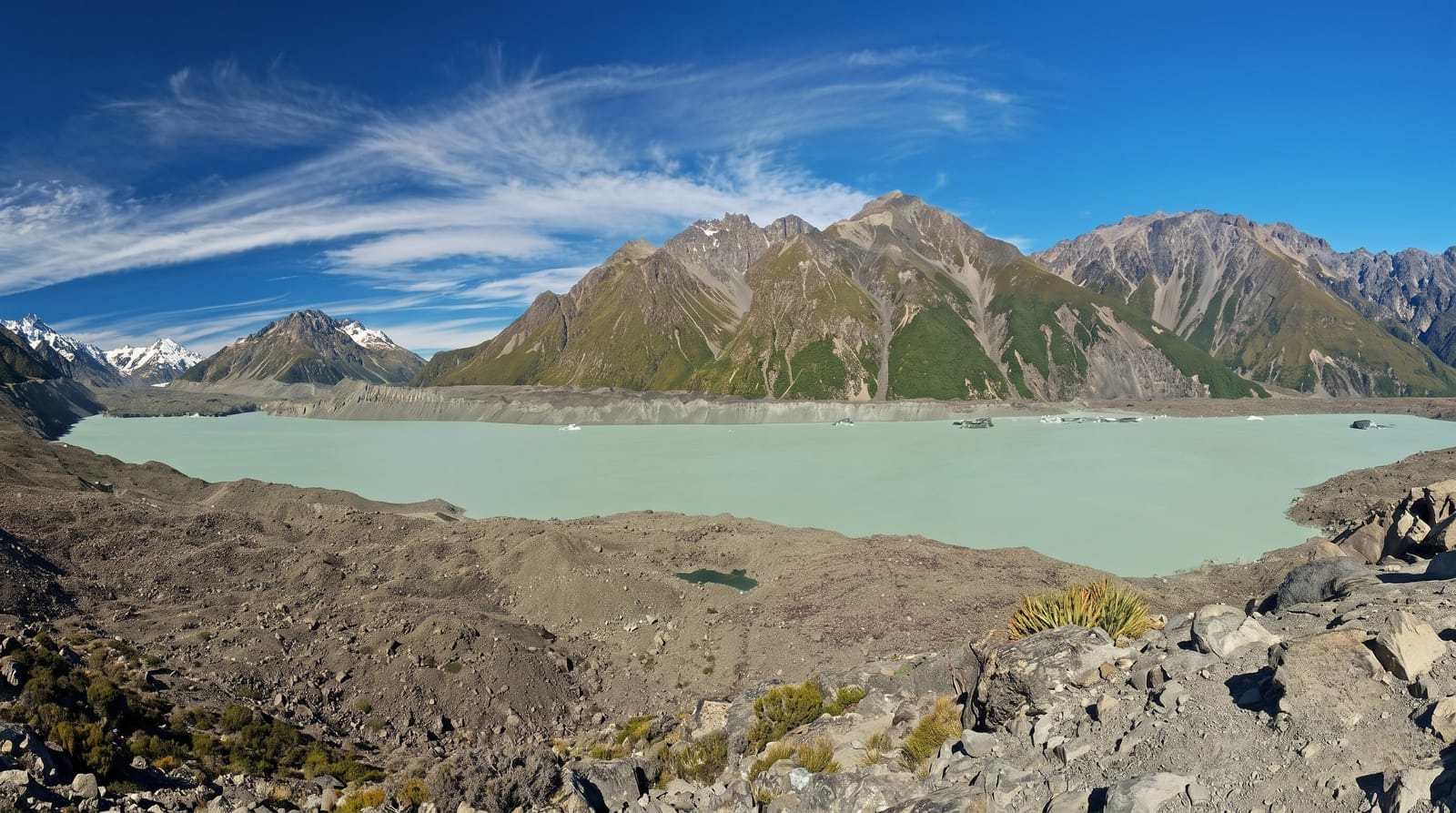
Lake Takapō, usually written Tekapo, holds the pale, opaque turquoise typical of glacier-fed water: rock ground to flour by ice, carried down in meltwater and held in suspension. The colour shifts with the light and looks most improbable under a bright sky. A small stone church stands alone on the shore with the lake and the Southern Alps behind it, and is one of the most photographed buildings in the country. Above the town, an observatory sits on Mount John at the centre of a large dark sky reserve covering the Mackenzie Basin, where outdoor lighting is controlled so that the night sky stays readable from the valley floor.
Background
Tekapo is a misspelling of the Māori name Takapō, which means to leave in haste at night, and in 2021 the district council began using both names. The lake, 83 km² at 710 m, is the second largest of three parallel lakes on the north side of the Mackenzie Basin, fed by the braided Godley and Macaulay rivers, and its island, Motuariki, is said in Ngāi Tahu legend to be an ancestor who failed to return to his canoe before daylight. The Church of the Good Shepherd, the first church built in the basin, was designed by R.S.D. Harman from sketches by Esther Hope, and a bronze collie nearby, modelled on a dog called Haig, honours the sheepdogs of the district. As of 2024 the dark sky reserve around it was the largest in the southern hemisphere.
Source: Wikipedia, "Lake Tekapo"
The landscape
- The lake colour - the pale turquoise of rock flour suspended in glacial meltwater.
- The Church of the Good Shepherd - the small stone church alone on the lakeshore.
- Mount John - the walk or drive up to the observatory and the view over the basin.
- The night sky - the Mackenzie dark sky reserve, with the Milky Way clear on good nights.
When to go
November and December bring lupins in flower along the shore, which is when photographers arrive in numbers; the plants are introduced and spreading, so the display is not universally welcomed. Winter gives the clearest, coldest nights for stargazing and snow on the ranges. Stargazing tours run year round and book out. Cloud is the main risk in any season.
Good to know
The church is tiny, its surroundings are roped and fenced, and photographing it without other people in the frame is close to impossible in daylight; it is also a working church that asks for quiet. The town is a strip of hotels and cafes built for coach traffic, with prices to match. Nights are cold for stargazing, and tours are cancelled when cloud moves in.
Nearby
Lake Pukaki and Aoraki are an hour west, with the Mackenzie Basin roads running south to Omarama.
Key facts
Source: Wikidata, item Q1194022, read on 18 October 2026.
What to pack for Lake Tekapo
Chosen from what this place is for. Tap a kit for the full checklist.
- Reef-safe sunscreen - High SPF that will not bleach the coral you are swimming over. Find on Amazon
- Quick-dry clothing - Board shorts or synthetics that shrug off spray and dry fast. Find on Amazon
- Spare batteries + cards - Cold and long shoots drain power; never run out at the good light. Find on Amazon
- Warm base layers - Merino or synthetic against the skin - never cotton, which chills when damp. Find on Amazon
Some links on this page are Amazon affiliate links - if you buy through them we may earn a small commission at no extra cost to you.
All packing kitsPlan your trip
Where to start if Lake Tekapo is going on the list.
Booking links on this page are affiliate links - if you book through them we may earn a small commission at no extra cost to you. It never changes what we write about a place.
Opening times, ticket prices and seasonal closures change - check the official source before you go: official site.