Kathmandu Durbar Square
The old royal square of Kathmandu, a dense set of pagoda temples and palace courts still recovering from the 2015 earthquake.
Updated 1 September 2026

AI illustration
UNESCO World Heritage
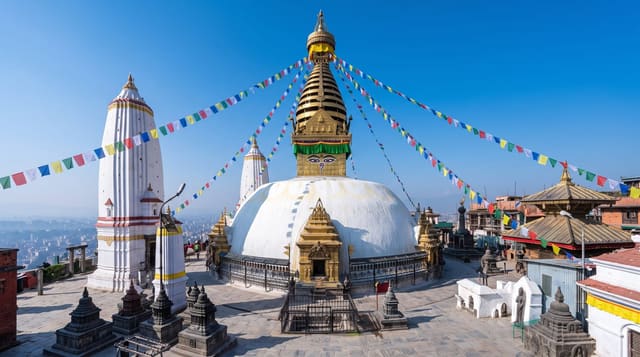
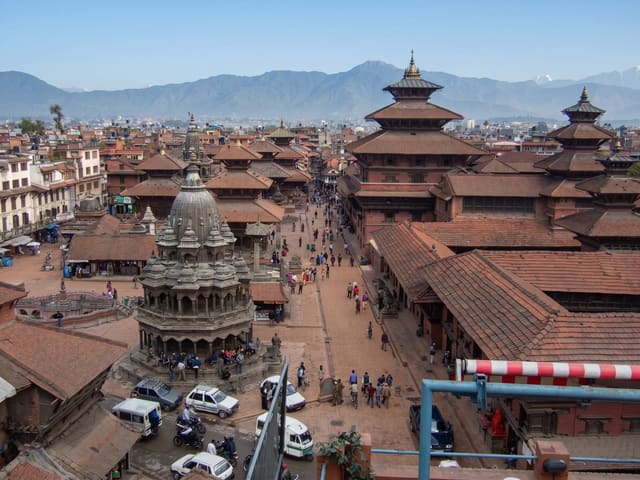
Kathmandu Durbar Square is the oldest of the three royal squares in the valley, a linked set of open spaces packed with tiered pagoda temples, stone sculpture and the Hanuman Dhoka palace with its courtyards, and it remains a working part of the old city rather than an enclosure: traders sit on the plinths, motorcycles cut through, and the Kumari Ghar on the south side still houses the living goddess, who appears at a window on certain days. The 2015 earthquake did severe damage here, bringing down the Kasthamandap, the Maju Deval and other structures, and reconstruction has been slow and contested; several temples are rebuilt, others are scaffolded or still absent. It is part of the Kathmandu Valley World Heritage inscription.
What to look for
- Hanuman Dhoka - the old palace and its courtyards.
- Kumari Ghar - the house of the living goddess with its carved windows.
- The temple plinths - the tiered pagodas around the open squares.
- Reconstruction work - the rebuilt and still-missing structures from 2015.
When to go
October to April for the weather. Indra Jatra in September fills the square with chariot processions and masked dance. Early morning is the calmest and best for photographs.
What to expect
Earthquake reconstruction is incomplete and parts of the square are building sites. The entry fee is substantial and applies to foreigners only. Traffic, noise and touts are constant. The Kumari appears only briefly and on her own schedule.
Nearby
Patan and Bhaktapur durbar squares lie across the valley.
Key facts
Source: Wikidata, item Q6122177, read on 18 October 2026.
What to pack for Kathmandu Durbar Square
Chosen from what this place is for. Tap a kit for the full checklist.
- Comfortable walking shoes - Sightseeing means kilometres of pavement and cobbles daily. Find on Amazon
- Modest clothing - Shoulders and knees covered - the single most common requirement. Find on Amazon
- A slim anti-theft daypack - Zips that close properly; keep it in front in crowds and on transit. Find on Amazon
- A scarf or shawl - To cover the head or shoulders on entry; women especially at mosques. Find on Amazon
Some links on this page are Amazon affiliate links - if you buy through them we may earn a small commission at no extra cost to you.
All packing kitsPlan your trip
Where to start if Kathmandu Durbar Square is going on the list.
Booking links on this page are affiliate links - if you book through them we may earn a small commission at no extra cost to you. It never changes what we write about a place.
Opening times, ticket prices and seasonal closures change - check the official source before you go: official site.