Sulaymaniyah Grand Bazaar
The covered market at the centre of Sulaymaniyah, where the city buys everything from gold to sheep cheese.
Updated 1 September 2026
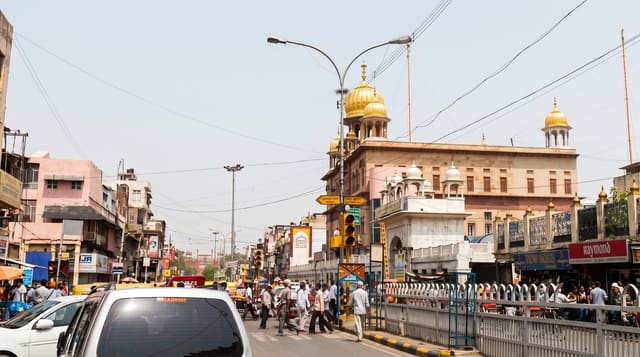
The bazaar spreads through the centre of Sulaymaniyah in a network of covered lanes and open streets, divided loosely by trade: goldsmiths in one section with windows of heavy Kurdish jewellery, cloth and Kurdish dress in another, spices, dried fruit, nuts and the mountain cheeses wrapped in skin, tea houses where men sit over glasses all afternoon, tobacco, tools and household goods. It is a working market rather than a tourist one, and prices are ordinary. Around the edges are the old caravanserais, some restored. Sulaymaniyah is the cultural centre of Iraqi Kurdistan, with a strong tradition of poetry, music and publishing, and the bazaar teahouses are part of that world.
Highlights
- The goldsmiths' lane - heavy traditional jewellery in the windows.
- Cheese and dried fruit - mountain produce sold by weight.
- Kurdish dress - cloth and tailoring for traditional clothing.
- Teahouses - the long afternoons over glasses of tea.
When to go
October to April for comfortable walking; Sulaymaniyah summers are hot though drier than the plain. Mornings are the busiest for trade. Fridays are quieter.
Before you go
It is a working market, crowded and not arranged for visitors, with no signage in English. Photography of people needs asking. Pickpocketing occurs in the crush. There is little aimed at tourists, which is the appeal.
Nearby
The Slemani Museum is close; Darbandikhan lies southeast.
What to pack for Sulaymaniyah Grand Bazaar
Chosen from what this place is for. Tap a kit for the full checklist.
- Comfortable walking shoes - Sightseeing means kilometres of pavement and cobbles daily. Find on Amazon
- A slim anti-theft daypack - Zips that close properly; keep it in front in crowds and on transit. Find on Amazon
- A refillable water bottle - Many cities have public fountains; save money and plastic. Find on Amazon
- A light layer + compact umbrella - For museum air-con and a sudden shower. Find on Amazon
Some links on this page are Amazon affiliate links - if you buy through them we may earn a small commission at no extra cost to you.
All packing kitsPlan your trip
Where to start if Sulaymaniyah Grand Bazaar is going on the list.
Booking links on this page are affiliate links - if you book through them we may earn a small commission at no extra cost to you. It never changes what we write about a place.
Opening times, ticket prices and seasonal closures change - check the official source before you go: official site.