Mount Kelud
An East Java volcano whose crater lake has been repeatedly destroyed and reformed, and once drained by tunnel.
Updated 29 August 2026
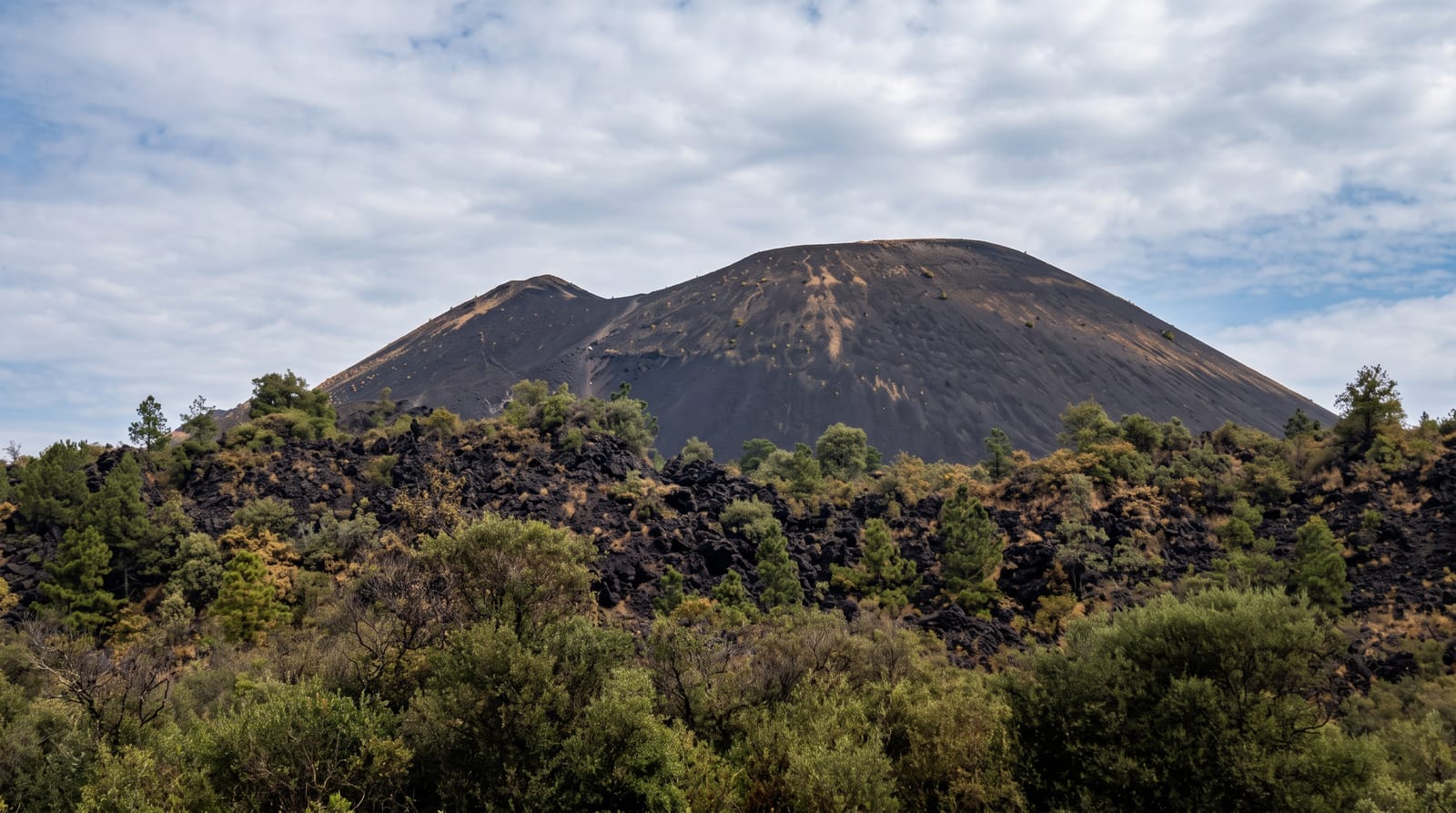
Kelud is one of the deadliest volcanoes in Java, and the reason is its crater lake: eruptions eject the water as lahars, mudflows that run down the valleys and have killed thousands - some five thousand in 1919 alone. That disaster led the Dutch to drive a set of tunnels into the crater wall to drain the lake and keep its volume down, an engineering response repeated after later eruptions, and the Ampera tunnels are part of the site's story. The 2007 eruption pushed a lava dome up through the lake and evaporated most of it; the 2014 eruption blew the dome apart, threw ash across Java as far as Yogyakarta and closed airports for days. The crater is accessible by road when the alert level allows, and the landscape is raw grey ash and rock.
What's there
- A crater that keeps changing - lake, then lava dome, then blown apart in 2014.
- The drainage tunnels - the Dutch engineering driven in to reduce the lake.
- Raw ash landscape - grey rock and ash from the most recent eruption.
- A lahar history - the mudflows that killed thousands in 1919.
When to go
May to September; only when the alert level permits. Half a day.
Practical notes
Access closes entirely on volcanic alerts, sometimes for long periods - check before travelling. The crater area is bare and hot. This volcano has killed on a large scale within living memory.
Nearby
Kediri is west; Malang and the Bromo area are east.
Key facts
Source: Wikidata, item Q513216, read on 18 October 2026.
What to pack for Mount Kelud
Chosen from what this place is for. Tap a kit for the full checklist.
- Broken-in walking shoes or boots - Grip and ankle support matter more than looks; never hike in brand-new boots. Find on Amazon
- Layers + a waterproof shell - Mountain weather turns fast; a packable rain jacket saves the day. Find on Amazon
- Daypack with rain cover - 20-30 litres holds water, snacks, layers and a first-aid kit. Find on Amazon
- Offline maps + a power bank - Download the trail before you lose signal; carry backup charge. Find on Amazon
Some links on this page are Amazon affiliate links - if you buy through them we may earn a small commission at no extra cost to you.
All packing kitsPlan your trip
Where to start if Mount Kelud is going on the list.
Booking links on this page are affiliate links - if you book through them we may earn a small commission at no extra cost to you. It never changes what we write about a place.
Opening times, ticket prices and seasonal closures change - check the official source before you go: official site.