Sunder Nursery
A colonial plant nursery rebuilt as a Mughal-style garden park around a cluster of sixteenth-century tombs.
Updated 4 September 2026

AI illustration
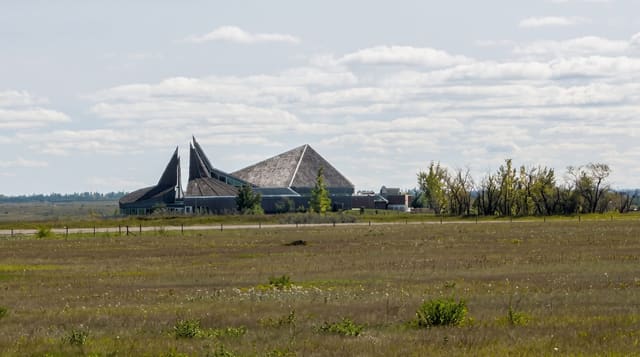
The ground was a nursery laid out by the British in the early twentieth century to test trees for New Delhi, and it contained a scatter of neglected Mughal tombs. From 2007 the Aga Khan Trust for Culture restored the monuments and rebuilt the whole ninety-acre site as a park with Mughal-derived water channels, terraces and a central axis, planted with hundreds of tree species and managed for biodiversity, with a marsh area and a bonsai house. Six of the monuments, including the Sunder Burj and Lakkarwala Burj, are part of the Humayun's Tomb world heritage listing. It opened to the public in 2018.
The main sights
- The restored tombs - sixteenth-century monuments with tile and plaster work.
- The water axis - Mughal-style channels and terraces down the centre.
- The tree collection - hundreds of species across ninety acres.
- The marsh and bonsai areas - wetland and a dedicated bonsai house.
When to go
October to March; the winter and spring flowering seasons are the best, and a large garden festival runs in February. Mornings are quietest. Delhi summers are hard even in shade.
Practical notes
Entry is charged, unlike Lodhi Gardens. The park is large and involves a lot of walking. Weekends are busy with families and event bookings can close sections.
Nearby
Humayun's Tomb adjoins; Nizamuddin Basti is beside it.
Key facts
Source: Wikidata, item Q15628824, read on 18 October 2026.
What to pack for Sunder Nursery
Chosen from what this place is for. Tap a kit for the full checklist.
- Comfortable walking shoes - Sightseeing means kilometres of pavement and cobbles daily. Find on Amazon
- A slim anti-theft daypack - Zips that close properly; keep it in front in crowds and on transit. Find on Amazon
- A refillable water bottle - Many cities have public fountains; save money and plastic. Find on Amazon
- A light layer + compact umbrella - For museum air-con and a sudden shower. Find on Amazon
Some links on this page are Amazon affiliate links - if you buy through them we may earn a small commission at no extra cost to you.
All packing kitsPlan your trip
Where to start if Sunder Nursery is going on the list.
Booking links on this page are affiliate links - if you book through them we may earn a small commission at no extra cost to you. It never changes what we write about a place.
Opening times, ticket prices and seasonal closures change - check the official source before you go: official site.