Kedarnath Temple
A stone Shiva temple at 3,580 metres, reached on foot, that survived the 2013 floods behind a single boulder.
Updated 19 October 2026

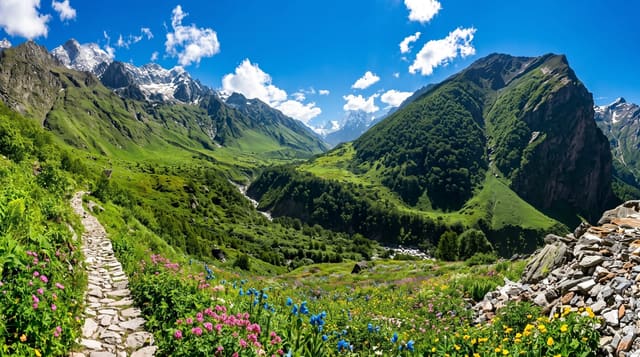
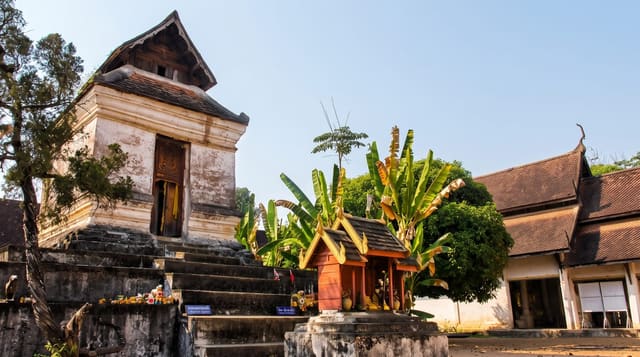
AI illustration
Kedarnath stands at 3,580 metres below the Kedarnath peak, one of the twelve jyotirlingas and the highest of them, built of large grey stone blocks without mortar and traditionally attributed to the Pandavas with rebuilding by Adi Shankara. It opens for roughly six months from late April or May and closes for winter, when the deity is carried down to Ukhimath. In June 2013 a glacial lake burst and a flood destroyed the town around the temple; the building survived because a large boulder lodged behind it and split the debris flow, and that rock is now venerated. The approach is a seventeen-kilometre climb from Gaurikund.
History
It is not certain who built the original temple or when; the name means "lord of the field", and one of the earliest references is in the Skanda Purana of about the 7th-8th century. Hindu legend credits the temple to the Pandavas, and some hagiographies say the 8th-century philosopher Adi Shankara died in the mountains near Kedarnath, where the ruins of a monument mark the place (Wikipedia, Kedarnath Temple).
Highlights
- The stone temple - mortarless grey blocks below the Kedarnath peak.
- The divine rock - the boulder that split the 2013 flood behind the temple.
- The walk in - seventeen kilometres of climbing from Gaurikund.
- The high valley - glaciers and peaks above the temple.
When to go
May to June and September to October, within the open season; the temple closes around Diwali and reopens in spring. The monsoon between brings landslide risk on the route.
Good to know
The walk is long and steep at altitude, and ponies and porters are heavily used. Weather closes the helicopter service without warning. Queues for darshan can run for hours. Accommodation is basic and cold.
Nearby
Tungnath lies northeast; Badrinath is north over the passes.
Key facts
Source: Wikidata, item Q866014, read on 18 October 2026.
What to pack for Kedarnath Temple
Chosen from what this place is for. Tap a kit for the full checklist.
- Warm base layers - Merino or synthetic against the skin - never cotton, which chills when damp. Find on Amazon
- Strong insect repellent - DEET or picaridin; the jungle is where bites and disease risk are highest. Find on Amazon
- Layers for big temperature swings - Warm sun by day, near-freezing at night, even near the equator. Find on Amazon
- Comfortable walking shoes - Sightseeing means kilometres of pavement and cobbles daily. Find on Amazon
Some links on this page are Amazon affiliate links - if you buy through them we may earn a small commission at no extra cost to you.
All packing kitsPlan your trip
Where to start if Kedarnath Temple is going on the list.
Booking links on this page are affiliate links - if you book through them we may earn a small commission at no extra cost to you. It never changes what we write about a place.
Opening times, ticket prices and seasonal closures change - check the official source before you go: official site.