Noszvaj Cave Dwellings
Rooms and cellars carved into soft tuff on a wooded hillside, lived in until the twentieth century.
Updated 14 October 2026
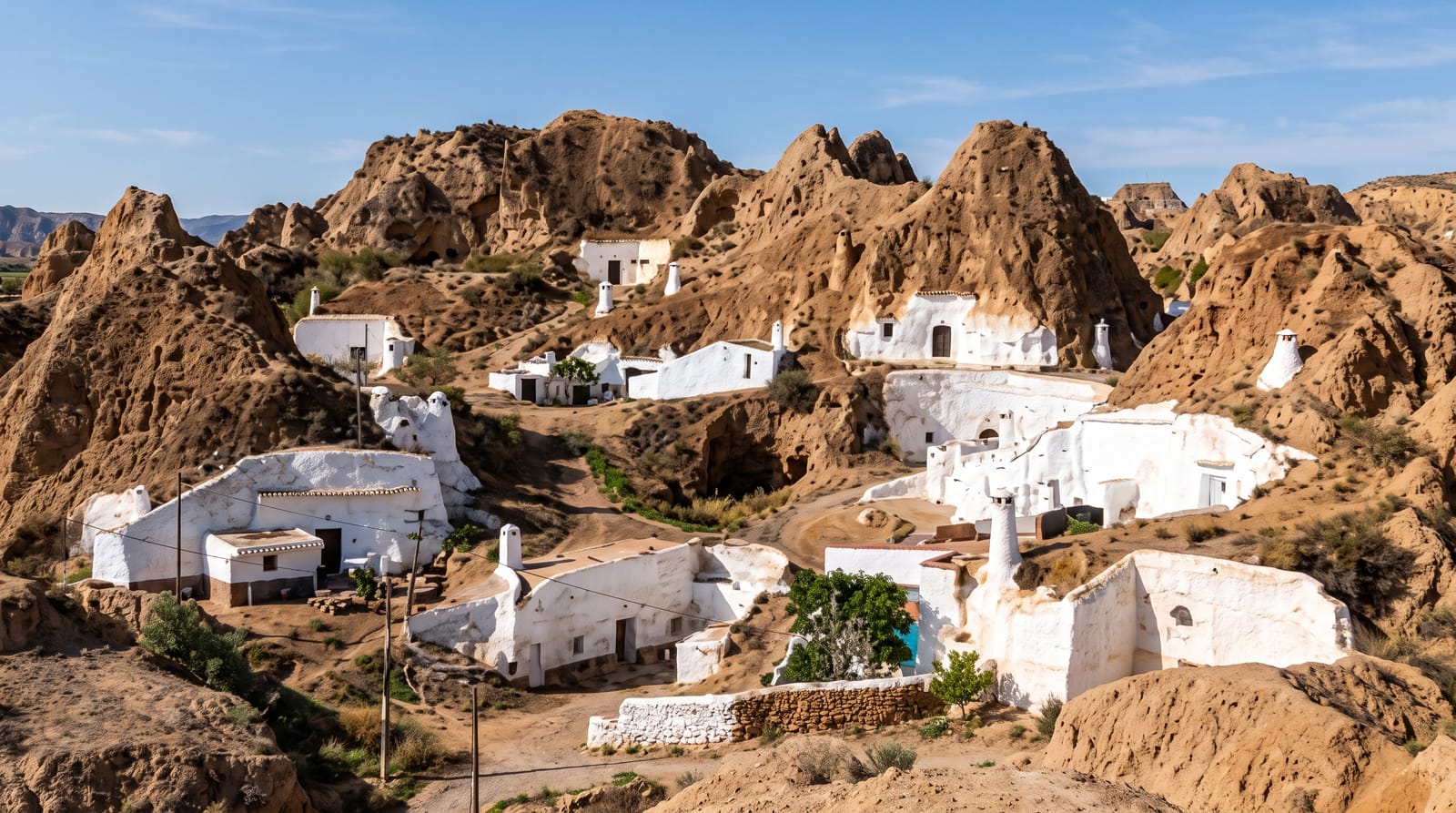
The tuff around Noszvaj is soft enough to be dug with hand tools and firm enough to hold a roof, and people took advantage of that for centuries, cutting cellars, storerooms and whole dwellings into the hillside of the Szoloske wood: rooms with chimneys, windows, benches and niches, some of them arranged as small houses with several chambers, occupied by poorer families into the twentieth century and by some into living memory. A number have been cleared and are shown to visitors, with others left as they were found, half-collapsed in the trees. The village above has a Baroque mansion with painted rooms, and wine cellars cut into the same rock along the lanes.
What's there
- Rooms cut into the hillside - chimneys, windows and benches carved in tuff.
- Dwellings lived in into the twentieth century - not ancient, but recent.
- Half-collapsed cellars in the wood - the ones left as found.
- Wine cellars in the village - the same rock used for storage.
When to go
April to October; the site is muddy and dark in winter. Two hours. Guided visits run at set times and are worth taking for the explanation.
Good to know
Opening is seasonal and limited, and turning up unannounced often means a locked gate. The path is uneven and slippery after rain. Interpretation is largely in Hungarian. It is a short visit.
Nearby
Eger is south-west; the beehive stones lie east.
Key facts
Source: Wikidata, item Q97119898, read on 18 October 2026.
What to pack for Noszvaj Cave Dwellings
Chosen from what this place is for. Tap a kit for the full checklist.
- Comfortable walking shoes - Sightseeing means kilometres of pavement and cobbles daily. Find on Amazon
- A slim anti-theft daypack - Zips that close properly; keep it in front in crowds and on transit. Find on Amazon
- A refillable water bottle - Many cities have public fountains; save money and plastic. Find on Amazon
- A light layer + compact umbrella - For museum air-con and a sudden shower. Find on Amazon
Some links on this page are Amazon affiliate links - if you buy through them we may earn a small commission at no extra cost to you.
All packing kitsPlan your trip
Where to start if Noszvaj Cave Dwellings is going on the list.
Booking links on this page are affiliate links - if you book through them we may earn a small commission at no extra cost to you. It never changes what we write about a place.
Opening times, ticket prices and seasonal closures change - check the official source before you go: official site.