Eger
A baroque town below a hilltop fortress, with the northernmost Ottoman minaret in Europe and a valley of wine cellars cut into the tufa.
Updated 19 October 2026

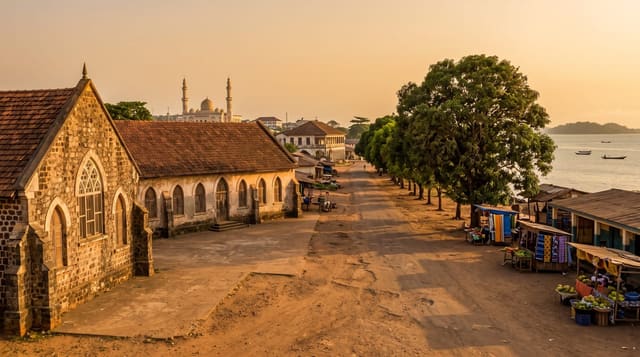
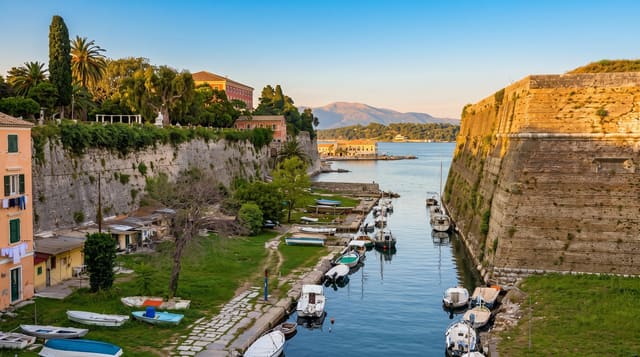
AI illustration
Eger sits in the wine hills of northern Hungary, a compact baroque town of pastel facades and a fine square, watched over by the walls of a hilltop castle whose sixteenth-century defence is part of the national story every Hungarian schoolchild learns. The town was under Ottoman rule for close to a century, and the most visible trace of it is a slender fourteen-sided minaret, some forty metres tall, the northernmost surviving in Europe, which can be climbed by a very narrow spiral stair. The other reason to come is wine: just outside the centre, the Szépasszony-völgy, the Valley of the Beautiful Women, is a horseshoe of cellar doors cut straight into the soft tufa rock, where growers pour the region's whites and its famous red blend, Egri Bikavér. Between castle, minaret, baroque streets and cellars, it is one of the most rewarding small towns in the country.
History
Eger has been inhabited since the Stone Age, and the town probably grew up in the 10th or early 11th century around the episcopal see founded by St. Stephen, whose first cathedral stood on Castle Hill; Walloon settlers in the 11th and 12th centuries brought vine-growing. The Mongols burned the town in 1241, after which Bishop Lampert built a stone fortress and Eger reached the peak of its medieval growth in the 14th and 15th centuries; in the autumn of 1552 Captain István Dobó and a handful of soldiers held the castle against the Ottoman army, but in 1596 the captain of the day and his foreign mercenaries handed it over, beginning 91 years of Ottoman rule that ended in December 1687 (Wikipedia, Eger).
What you'll find
- Eger Castle - the hilltop fortress, its walls, casemates and museum.
- The minaret - the slender fourteen-sided tower, climbable by a tight spiral stair.
- The Valley of the Beautiful Women - the horseshoe of wine cellars cut into the tufa.
- The baroque town centre - the pastel square, basilica and lyceum library.
When to go
April to October is mildest, with the wine cellars busiest and most atmospheric from late summer through the autumn harvest. The castle and town are pleasant year-round and quiet in winter. Cellars in the valley keep irregular hours midweek out of season.
Good to know
The minaret stair is extremely narrow and steep with a rope handrail, and it is genuinely unsuitable for anyone uneasy in tight spaces or on their feet. The cellar valley is a short taxi or long walk from the centre and, come evening, is a drinking destination that ranges from charming to raucous depending on the cellar and the night. Much of the castle is ruin and museum rather than intact fortress.
Nearby
The Bükk hills and their walking trails rise just north; the Tokaj wine region lies further east.
Key facts
Source: Wikidata, item Q167109, read on 18 October 2026.
What to pack for Eger
Chosen from what this place is for. Tap a kit for the full checklist.
- Comfortable walking shoes - Sightseeing means kilometres of pavement and cobbles daily. Find on Amazon
- Modest clothing - Shoulders and knees covered - the single most common requirement. Find on Amazon
- A slim anti-theft daypack - Zips that close properly; keep it in front in crowds and on transit. Find on Amazon
- A scarf or shawl - To cover the head or shoulders on entry; women especially at mosques. Find on Amazon
Some links on this page are Amazon affiliate links - if you buy through them we may earn a small commission at no extra cost to you.
All packing kitsPlan your trip
Where to start if Eger is going on the list.
Booking links on this page are affiliate links - if you book through them we may earn a small commission at no extra cost to you. It never changes what we write about a place.
Opening times, ticket prices and seasonal closures change - check the official source before you go: official site.