Troglodyte Villages of Saumur
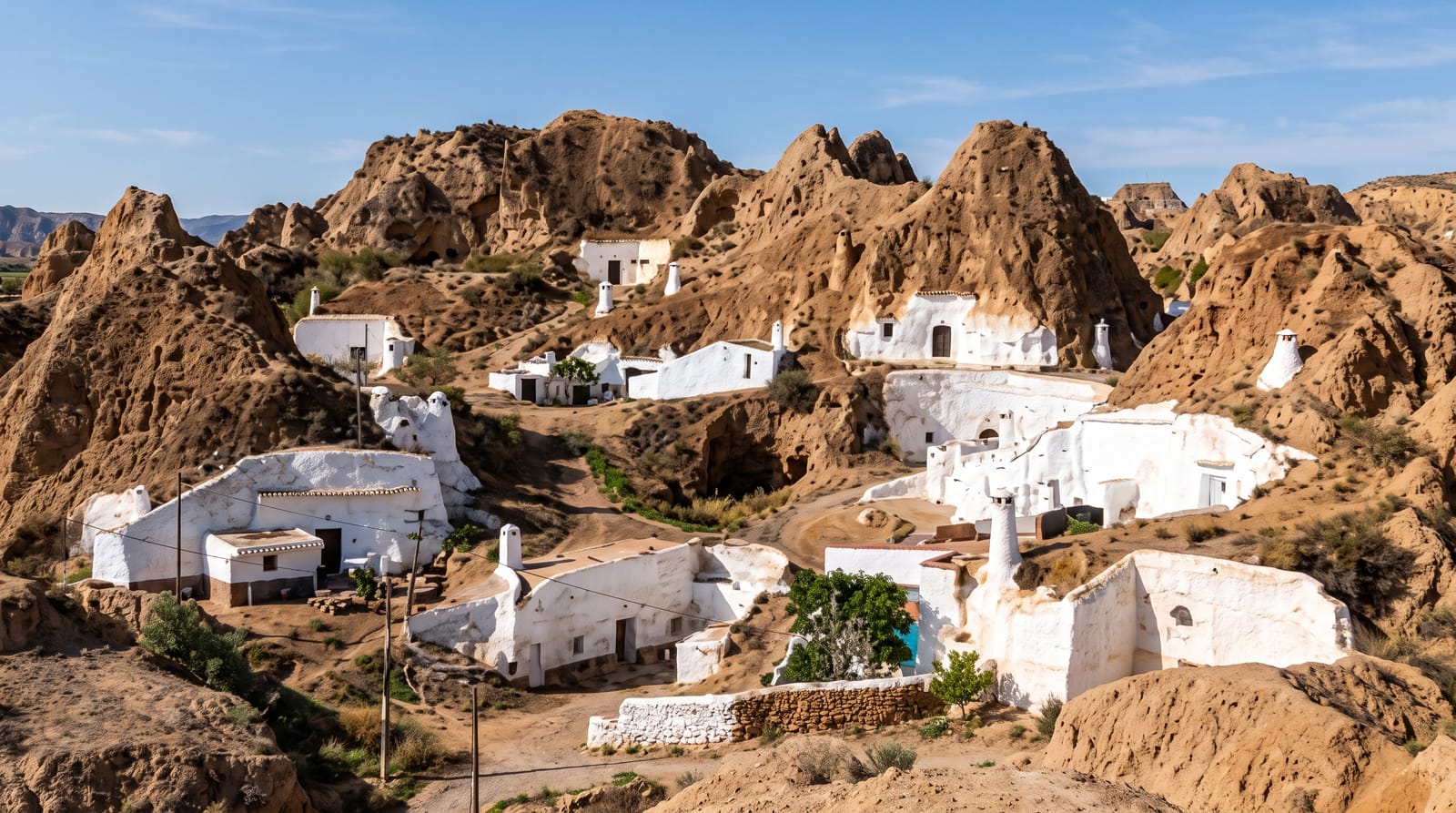
Whole villages cut into soft limestone cliffs, some sunk into the plateau with houses around a pit.
Updated 4 September 2026
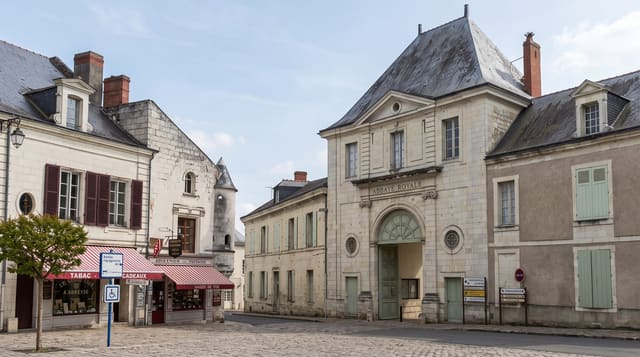
Quarrying tuffeau, the soft white limestone used to build the Loire chateaux, hollowed out the cliffs along the river, and people moved into the voids: cave houses with chimneys rising through the rock, wine cellars, bread ovens and stables. Two types exist here. Cliff dwellings face the Loire and its tributaries. Plateau dwellings, best seen at Rochemenier, are dug straight down from flat farmland into a courtyard with rooms opening off it, invisible until you stand at the edge. Some caves are still homes, others are restaurants, wine cellars, mushroom farms or a museum village. The stone hardens on exposure to air.
Highlights
- Rochemenier - a plateau village dug down into farmland around courtyards.
- The cliff dwellings - houses and cellars cut into the Loire escarpment.
- The chimneys - stacks emerging from open fields above the caves.
- Working caves - wine cellars, mushroom beds and cave restaurants.
When to go
April to October; most sites close or reduce hours in winter. Caves stay around twelve degrees year-round, so take a layer even in August.
Practical notes
Sites are scattered and a car is needed. Some are modest, with limited English explanation. Cave restaurants require booking. Underground passages are cool, damp and sometimes low.
Nearby
Saumur lies east; Doue-la-Fontaine is south.
What to pack for Troglodyte Villages of Saumur
Chosen from what this place is for. Tap a kit for the full checklist.
- Head torch + spare batteries - Hands-free light is essential; caves are truly dark. Find on Amazon
- Comfortable walking shoes - Sightseeing means kilometres of pavement and cobbles daily. Find on Amazon
- Grippy closed shoes - Cave floors are wet, muddy and slick with formations. Find on Amazon
- A slim anti-theft daypack - Zips that close properly; keep it in front in crowds and on transit. Find on Amazon
Some links on this page are Amazon affiliate links - if you buy through them we may earn a small commission at no extra cost to you.
All packing kitsPlan your trip
Where to start if Troglodyte Villages of Saumur is going on the list.
Booking links on this page are affiliate links - if you book through them we may earn a small commission at no extra cost to you. It never changes what we write about a place.
Opening times, ticket prices and seasonal closures change - check the official source before you go: official site.