Fontevraud Abbey
The largest surviving monastic city in Europe, where Eleanor of Aquitaine and Richard the Lionheart lie carved in stone.
Updated 19 October 2026
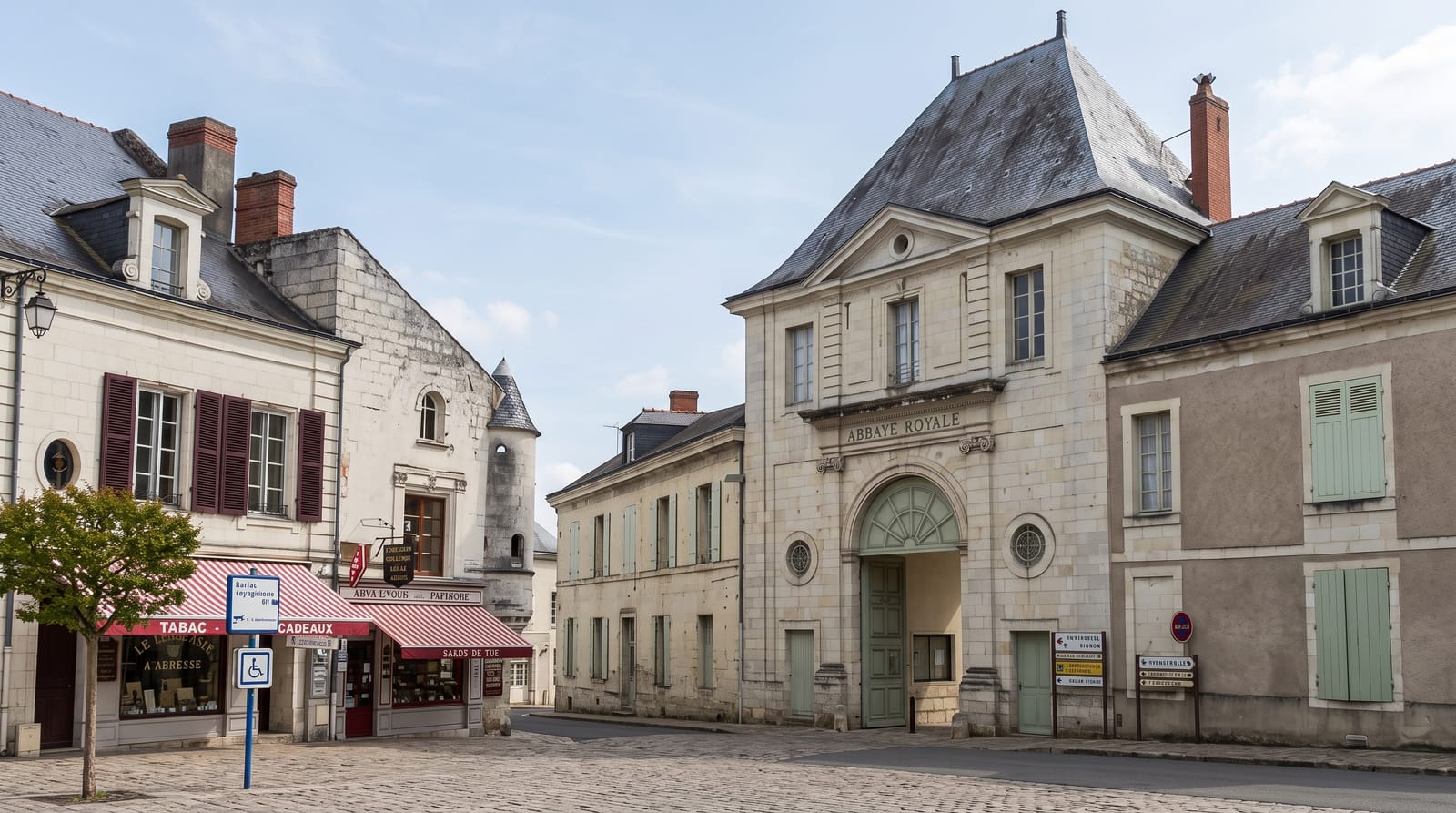
AI illustration
Fontevraud was founded in 1101 as a double monastery of men and women ruled by an abbess, an unusual arrangement that lasted until the Revolution and attracted royal daughters and widows. Four painted tomb effigies survive in the church: Henry II of England, Eleanor of Aquitaine, their son Richard the Lionheart and Isabella of Angouleme. Eleanor is shown reading a book, which is rare for a medieval effigy. The Romanesque kitchen is the other famous piece, an octagonal stone building with a cluster of chimneys designed to smoke fish. Napoleon turned the abbey into a prison, and it held convicts until 1963.
History
The itinerant preacher Robert of Arbrissel, a former archpriest of Rennes, drew crowds of men and women, among them lepers, and around 1100 he settled with his followers in a valley called Fons Ebraldi; the community, at first sharing one house, soon divided by sex, the monks living in small priories under the rule of the nuns. It was recognised in 1106 by the Bishop of Angers and Pope Paschal II, Petronilla of Chemillé was elected first abbess in 1115, and when Robert died in 1117 there were about 3,000 nuns; the first permanent buildings went up between 1110 and 1119. The Plantagenets were great benefactors, and Henry II, Eleanor of Aquitaine, who made the abbey her home in her widowhood, and Richard the Lionheart were buried here at the end of the 12th century (Wikipedia, Fontevraud Abbey).
The main sights
- The royal effigies - Henry II, Eleanor, Richard and Isabella in painted stone.
- The Romanesque kitchen - an octagonal smoking house of many chimneys.
- The abbey church and cloister - vast pale spaces largely stripped bare.
- The prison traces - marks of the penal century still visible in places.
When to go
April to October; the abbey opens year-round with shorter winter hours. Summer brings concerts and exhibitions in the church. The interiors are cold outside high summer.
Before you go
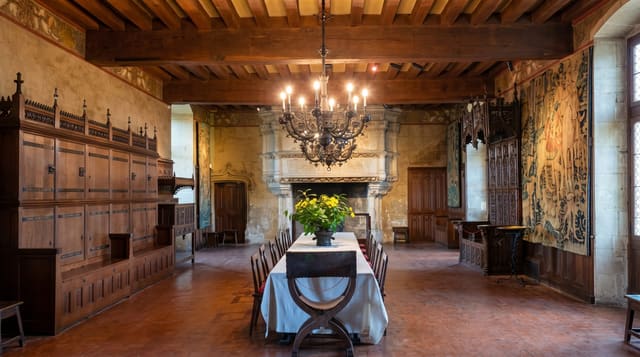
The buildings are largely empty of furnishing after the Revolution and prison years, so the appeal is architecture rather than contents. It is large and takes a couple of hours. The village outside is very small.
Nearby
Saumur lies north-west; Chinon is east.
Key facts
Source: Wikidata, item Q283254, read on 18 October 2026.
What to pack for Fontevraud Abbey
Chosen from what this place is for. Tap a kit for the full checklist.
- Comfortable walking shoes - Sightseeing means kilometres of pavement and cobbles daily. Find on Amazon
- Modest clothing - Shoulders and knees covered - the single most common requirement. Find on Amazon
- A slim anti-theft daypack - Zips that close properly; keep it in front in crowds and on transit. Find on Amazon
- A scarf or shawl - To cover the head or shoulders on entry; women especially at mosques. Find on Amazon
Some links on this page are Amazon affiliate links - if you buy through them we may earn a small commission at no extra cost to you.
All packing kitsPlan your trip
Where to start if Fontevraud Abbey is going on the list.
Booking links on this page are affiliate links - if you book through them we may earn a small commission at no extra cost to you. It never changes what we write about a place.
Opening times, ticket prices and seasonal closures change - check the official source before you go: official site.