La Mosquitia
Central America's largest rainforest wilderness - lagoons, Miskito and Pech communities and multi-day river trips with no roads at all.
Updated 18 October 2026
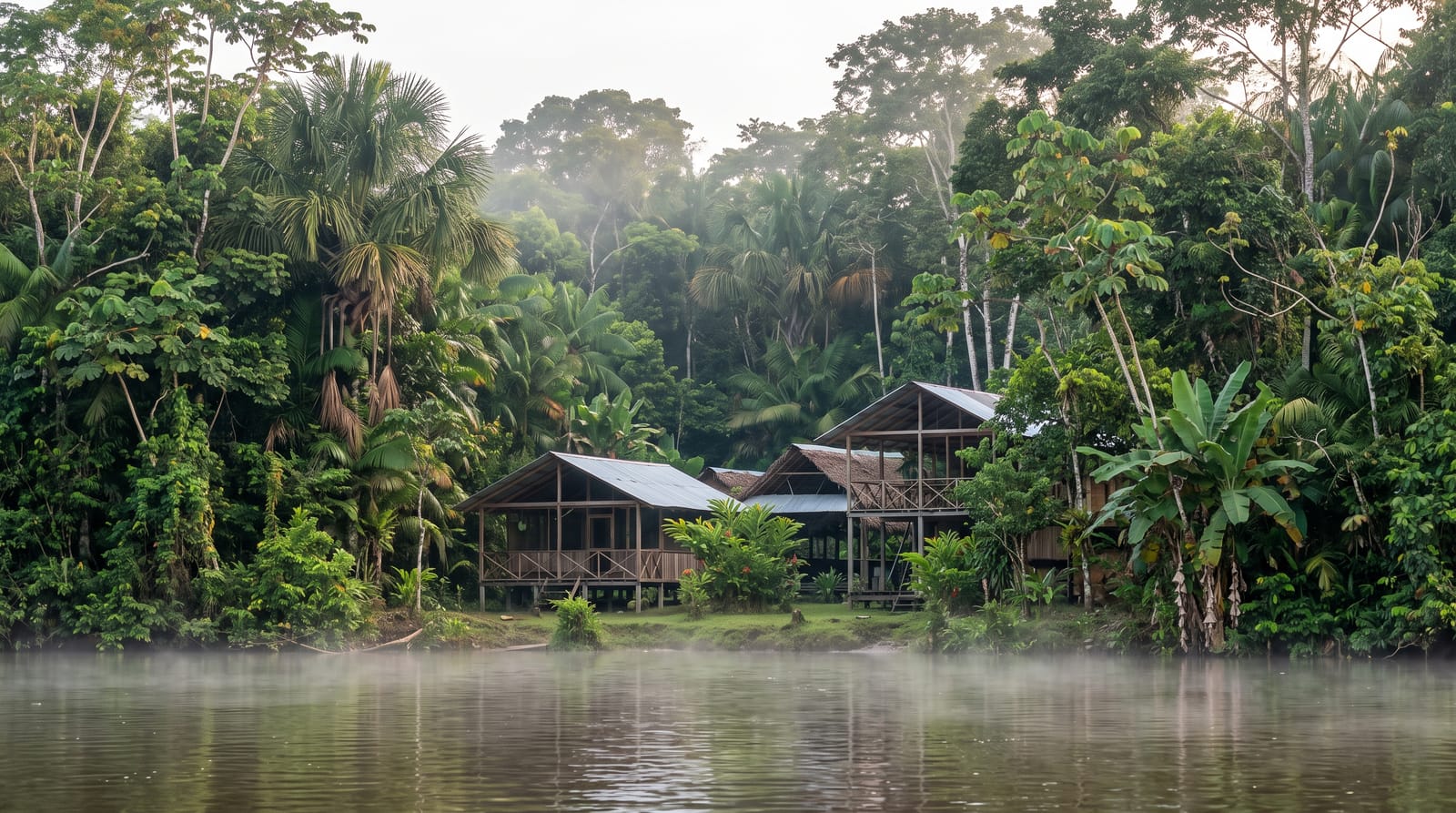
AI illustration
UNESCO World Heritage
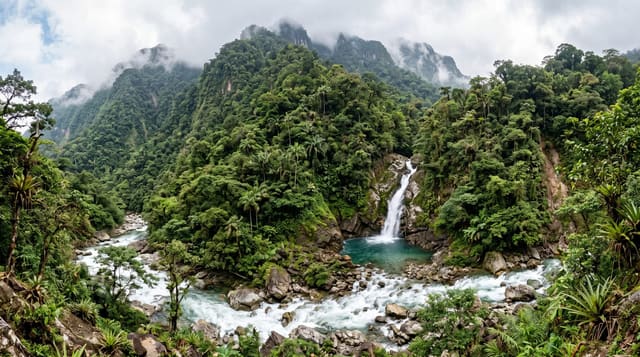
La Mosquitia covers Honduras's remote north-east, a region with essentially no roads where rainforest, savanna, lagoons and rivers run to the Caribbean, and where Miskito, Pech, Tawahka and Garifuna communities live along the waterways. At its heart is the Rio Platano Biosphere Reserve, UNESCO-listed, Honduras's largest protected area and part of Central America's largest tropical rainforest, home to jaguars, tapirs, macaws and manatees. Trips run by dugout and motorised pipante up the Rio Platano over several days, staying in community villages, with rapids, petroglyphs and forest walks along the way.
History
Before Europeans came, the coast was home to many small, egalitarian groups, probably speaking languages related to Sumu and Paya, spread along the river basins; Columbus touched the coast briefly on his fourth voyage. Spain issued licences to conquer the region in 1545, 1562, 1577 and 1594, and sent missions in the early 17th century, but none took hold, so the people kept their own way of life and English and Dutch privateers found refuge on the shore. From around 1630 the English allied with what they called the Mosquito Kingdom, named after the Miskito people - one of its kings visited England around 1638 - and the region's very name, Mosquitia, comes from them (Wikipedia, Mosquito Coast).
The landscape
- Rio Platano trips - multi-day journeys upriver by boat.
- Indigenous communities - Miskito, Pech and Tawahka villages along the river.
- Wildlife - macaws, monkeys, tapir tracks and river turtles.
- Coastal lagoons - the wetlands and mangroves behind the shore.
When to go
The drier window from February to May is the standard season for river trips; heavy rain raises rivers and complicates travel. Even in the dry season, this is a wet region with rain most weeks.
Practical notes
This is genuine expedition travel: no roads, no phone signal for most of it, basic village accommodation and hammocks, and multi-day commitments. It must be arranged through established operators working with the communities - independent travel is impractical and unwise. Malaria and other tropical disease risk is real; take medical advice. Costs are high because everything moves by small plane and boat.
Nearby
Trujillo on the coast, and the Bay Islands by air via La Ceiba.
Key facts
Source: Wikidata, item Q1165546, read on 18 October 2026.
What to pack for La Mosquitia
Chosen from what this place is for. Tap a kit for the full checklist.
- Broken-in walking shoes or boots - Grip and ankle support matter more than looks; never hike in brand-new boots. Find on Amazon
- Reef-safe sunscreen - High SPF that will not bleach the coral you are swimming over. Find on Amazon
- Binoculars - The single best wildlife tool - even a compact pair transforms a sighting. Find on Amazon
- Strong insect repellent - DEET or picaridin; the jungle is where bites and disease risk are highest. Find on Amazon
Some links on this page are Amazon affiliate links - if you buy through them we may earn a small commission at no extra cost to you.
All packing kitsPlan your trip
Where to start if La Mosquitia is going on the list.
Booking links on this page are affiliate links - if you book through them we may earn a small commission at no extra cost to you. It never changes what we write about a place.
Opening times, ticket prices and seasonal closures change - check the official source before you go: official site.