Coban
The centre of Guatemala's coffee and cardamom country, and a base for Alta Verapaz.
Updated 19 October 2026
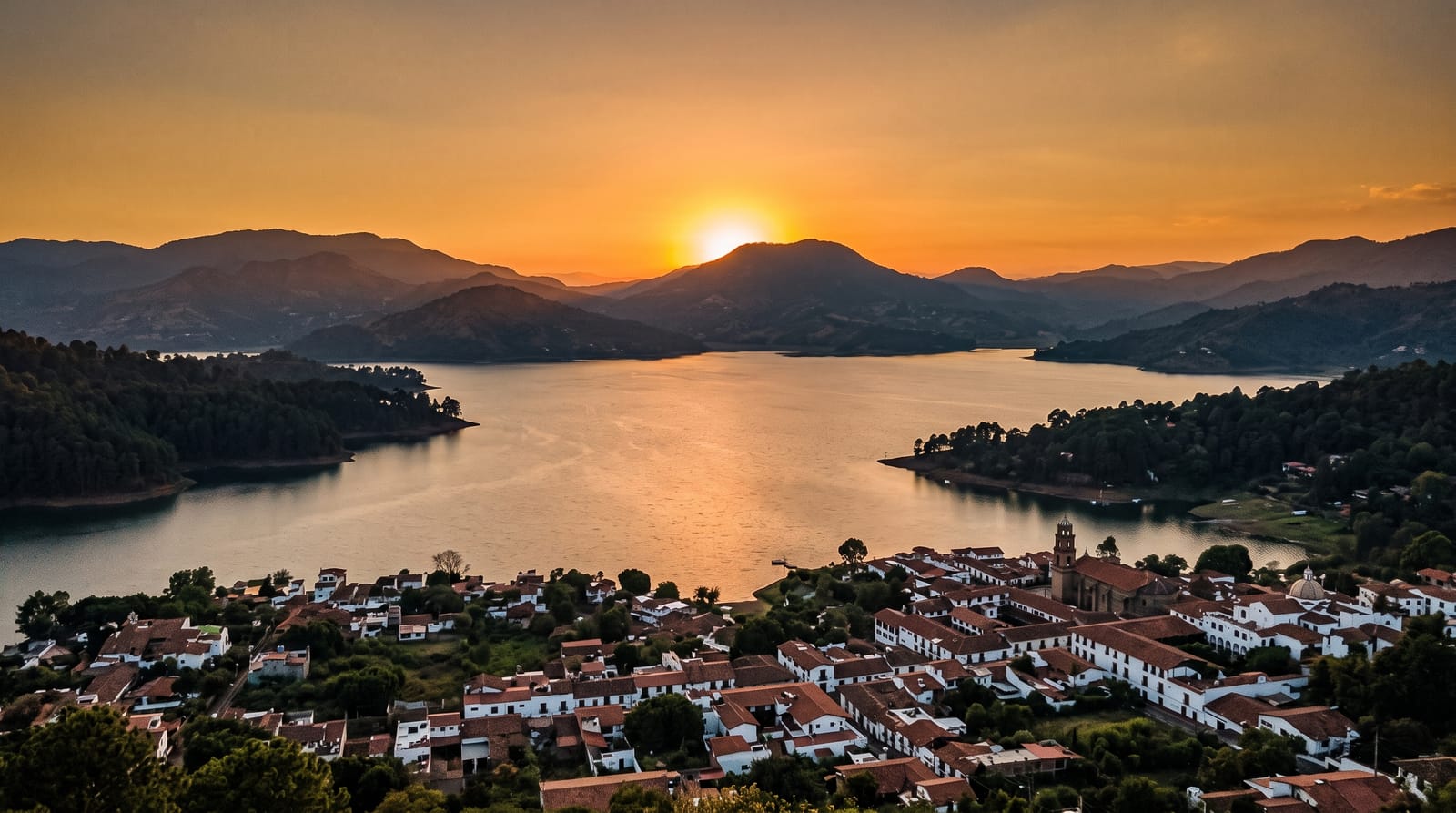
Coban sits at around thirteen hundred metres in the wet green hills of Alta Verapaz, and it grew on two crops: coffee, planted from the nineteenth century largely by German settlers who were invited in and who shaped the town, and cardamom, of which Guatemala became the world's largest exporter, grown across the region and traded here. The town has a colonial church, a market, coffee farms that can be visited and orchid collections, the national flower being an orchid that grows in these forests. In late July and August it hosts the Rabin Ajau, a national gathering of indigenous communities with dress, music and dance from across the country.
History
On 2 May 1537 the governor Alonso de Maldonado granted Bartolomé de las Casas the Tezulutlán Capitulations, a written commitment, ratified on 6 July 1539 by the Viceroy of Mexico, that the natives of Tezulutlán, once brought under Spanish rule, would not be given out in encomienda. Luis de Cancer then performed the first baptisms among the people of the cacique of Sacapulas, and the cacique himself, baptised Don Juan, allowed a small church to be built (Wikipedia, Cobán).
What's there
- Coffee farms above the town - the estates the region grew on.
- Cardamom trading - the crop that made Alta Verapaz an export centre.
- Orchid collections - the flowers of the surrounding cloud forest.
- The Rabin Ajau gathering - the national indigenous festival in late July.
When to go
November to April in the drier months, though Alta Verapaz is wet at any time; late July for the festival. A day or two, or as a base for the region.
Good to know
It rains here constantly and the town is often grey and cool. The town itself has modest sights; it is a base rather than a destination. Roads out to Semuc Champey and Lanquin are rough and slow. Accommodation fills during the festival.
Nearby
Lanquin and Semuc Champey are east; the Biotopo del Quetzal lies south.
Key facts
Source: Wikidata, item Q867077, read on 18 October 2026.
What to pack for Coban
Chosen from what this place is for. Tap a kit for the full checklist.
- Comfortable walking shoes - Sightseeing means kilometres of pavement and cobbles daily. Find on Amazon
- A slim anti-theft daypack - Zips that close properly; keep it in front in crowds and on transit. Find on Amazon
- A refillable water bottle - Many cities have public fountains; save money and plastic. Find on Amazon
- A light layer + compact umbrella - For museum air-con and a sudden shower. Find on Amazon
Some links on this page are Amazon affiliate links - if you buy through them we may earn a small commission at no extra cost to you.
All packing kitsPlan your trip
Where to start if Coban is going on the list.
Booking links on this page are affiliate links - if you book through them we may earn a small commission at no extra cost to you. It never changes what we write about a place.
Opening times, ticket prices and seasonal closures change - check the official source before you go: official site.