Vejer de la Frontera
A white hilltop town of Moorish lanes above the Costa de la Luz, with walls, a castle and a strong food reputation.
Updated 21 October 2026

AI illustration
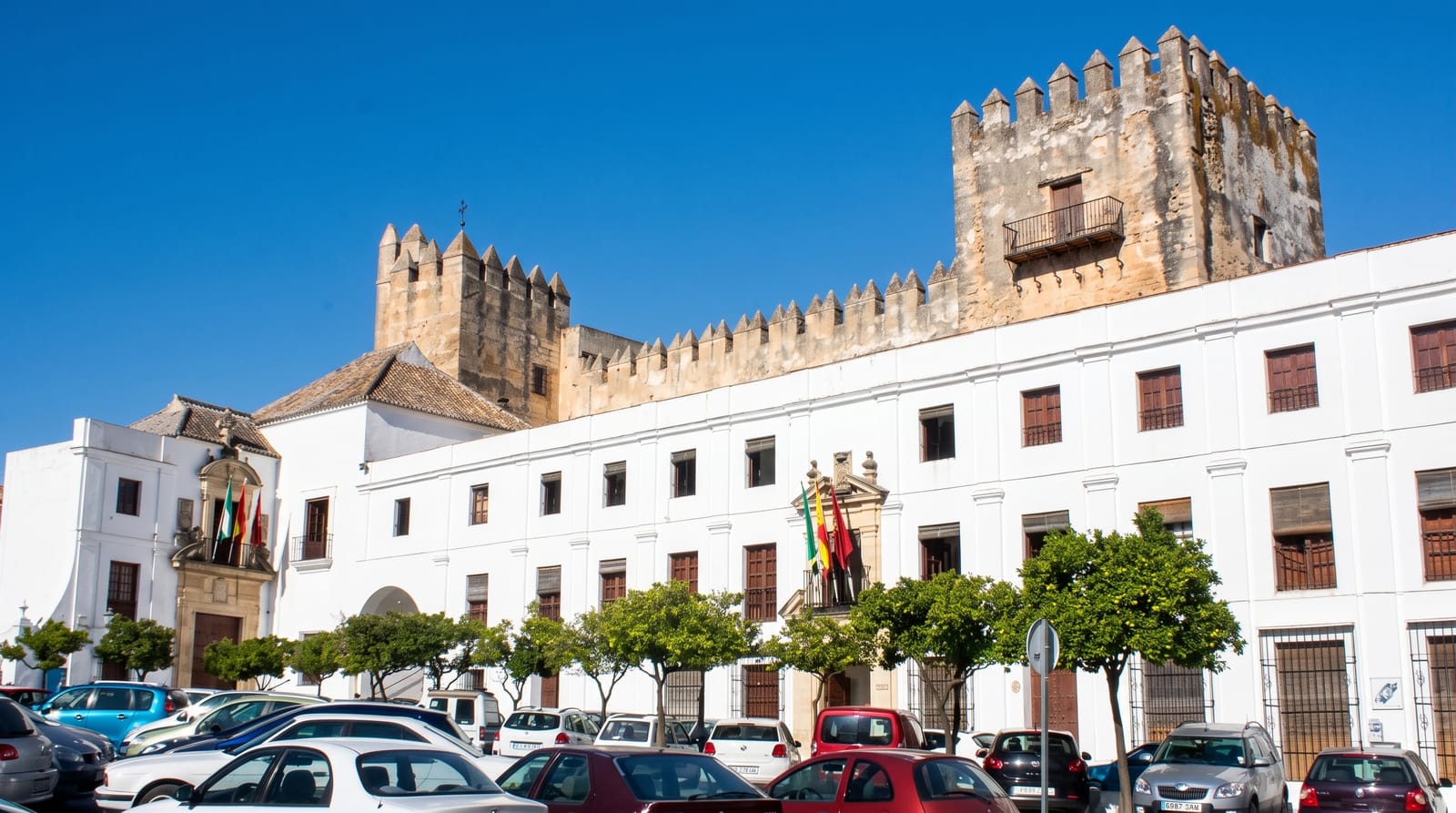
Vejer stands on a hill about two hundred metres above the surrounding plain, ten kilometres inland from the Atlantic, and it kept its Moorish street plan almost intact: a walled centre entered by four gates, lanes that twist and climb, whitewashed walls with wrought-iron grilles, and a castle of the eleventh century at the top with a horseshoe-arched gateway. The church of the Divino Salvador combines Mudejar and Gothic work on the site of a mosque. Castile first took the town in 1250, lost it in a revolt in 1264 and held it for good from 1285, and the layout still reflects the Muslim centuries; the walled centre has been a protected historic ensemble since 1976. Since the 2000s it has become known for its food, with several ambitious restaurants for a town of its size, and the surrounding countryside supplies retinto beef and Atlantic tuna.
Highlights
- The walled centre - four surviving gates and stretches of wall.
- The castle - an eleventh-century fortress with a horseshoe-arched entrance.
- The Divino Salvador church - Mudejar and Gothic work over a former mosque.
- The plain view - the Atlantic coast and countryside from the ramparts.
When to go
Spring and autumn for walking the steep lanes comfortably; summer is hot and the town fills with visitors from the coast. Holy Week and the Easter bull-running tradition are significant local events.
Before you go
The lanes are steep, stepped and impossible to drive, so cars are left outside the walls and the walk up is demanding. Restaurants are good but book out in season. The town is small, seen in a day.
Nearby
El Palmar and Zahara de los Atunes beaches are on the coast; Tarifa and Cadiz lie south and north.
Key facts
Source: Wikidata, item Q827393, read on 18 October 2026.
What to pack for Vejer de la Frontera
Chosen from what this place is for. Tap a kit for the full checklist.
- Reef-safe sunscreen - High SPF that will not bleach the coral you are swimming over. Find on Amazon
- Comfortable walking shoes - Sightseeing means kilometres of pavement and cobbles daily. Find on Amazon
- Modest clothing - Shoulders and knees covered - the single most common requirement. Find on Amazon
- Quick-dry towel - A microfibre towel packs small and dries in minutes. Find on Amazon
Some links on this page are Amazon affiliate links - if you buy through them we may earn a small commission at no extra cost to you.
All packing kitsPlan your trip
Where to start if Vejer de la Frontera is going on the list.
Booking links on this page are affiliate links - if you book through them we may earn a small commission at no extra cost to you. It never changes what we write about a place.
Opening times, ticket prices and seasonal closures change - check the official source before you go: official site.