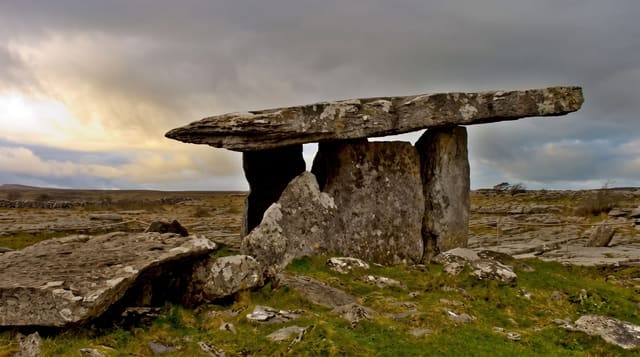
Latte Stone Park and Chamorro Heritage
Pillars of an ancient people - the mysterious latte stones, monumental twin-piece stone pillars of the ancient Chamorro, gathered at Latte Stone Park in the capital, the enduring symbol of Guam's deep indigenous heritage.
Updated 18 October 2026
The latte stones are the most iconic and evocative symbol of Guam and the ancient Chamorro people who have inhabited the island for thousands of years. These remarkable megalithic pillars, each formed of a tapering stone column, the haligi, topped by a hemispherical capstone, the tasa, once served as the raised foundations for the houses of the ancient Chamorro, and their distinctive shape has become the emblem of the island's indigenous identity. At Latte Stone Park in the capital Hagåtña, a set of these ancient stones, relocated from the interior, stands amid greenery, offering an accessible and atmospheric encounter with Guam's deep pre-colonial past. Enduring and mysterious, the latte stones connect visitors to the island's living Chamorro heritage.
History
The eight stones come from Mepo', a village in the Fena area of south-central Guam whose people were probably moved in the forced resettlement of the late 17th century. The archaeologist Laura Thompson recorded them in 1932 - the only upright latte on the island with its cap still in place. After the Battle of Guam in 1944 the US military built an ammunition depot in the Fena valley, and the stones were taken down and piled to make room for a magazine. Governor Ford Elvidge, who set up a committee for parks, monuments and the museum in 1953, had the set brought to Hagåtña, and it reached its present site in 1955. The caves in the cliff behind were dug by forced labourers during the Japanese occupation of 1941-1944, used for supplies and as bomb shelters, and are listed on the US National Register of Historic Places (Wikipedia, Latte Stone Park).
What you'll find
- The latte stones - the ancient twin-piece stone pillars.
- The pillars and capstones - the haligi columns and tasa caps.
- The park setting - the stones amid greenery in the capital.
- The Chamorro heritage - the enduring symbol of the island's people.
When to go
December to June, the drier season, brings the most pleasant weather for exploring the park and the capital, avoiding the wetter months; the tropical climate is warm year-round. The park is a quick, accessible stop combined easily with other sights in Hagåtña.
Things to know
Latte Stone Park is a small, quiet site where the ancient stones were relocated for accessibility, so it is a modest, contemplative stop rather than a grand monument. As an accessible and atmospheric encounter with the iconic latte stones, the enduring symbol of Guam's ancient Chamorro heritage, though, the park is a genuinely meaningful and evocative place.
Nearby
The historic sites, Spanish plaza and museum of Hagåtña lie nearby.
What to pack for Latte Stone Park and Chamorro Heritage
Chosen from what this place is for. Tap a kit for the full checklist.
- Head torch + spare batteries - Hands-free light is essential; caves are truly dark. Find on Amazon
- Comfortable walking shoes - Sightseeing means kilometres of pavement and cobbles daily. Find on Amazon
- Grippy closed shoes - Cave floors are wet, muddy and slick with formations. Find on Amazon
- A slim anti-theft daypack - Zips that close properly; keep it in front in crowds and on transit. Find on Amazon
Some links on this page are Amazon affiliate links - if you buy through them we may earn a small commission at no extra cost to you.
All packing kitsPlan your trip
Where to start if Latte Stone Park and Chamorro Heritage is going on the list.
Booking links on this page are affiliate links - if you book through them we may earn a small commission at no extra cost to you. It never changes what we write about a place.
Opening times, ticket prices and seasonal closures change - check the official source before you go: official site.