Port Royal
A fishing village on a sand spit that was once the richest port in the Caribbean, until two-thirds of it slid into the sea in 1692.
Updated 18 October 2026

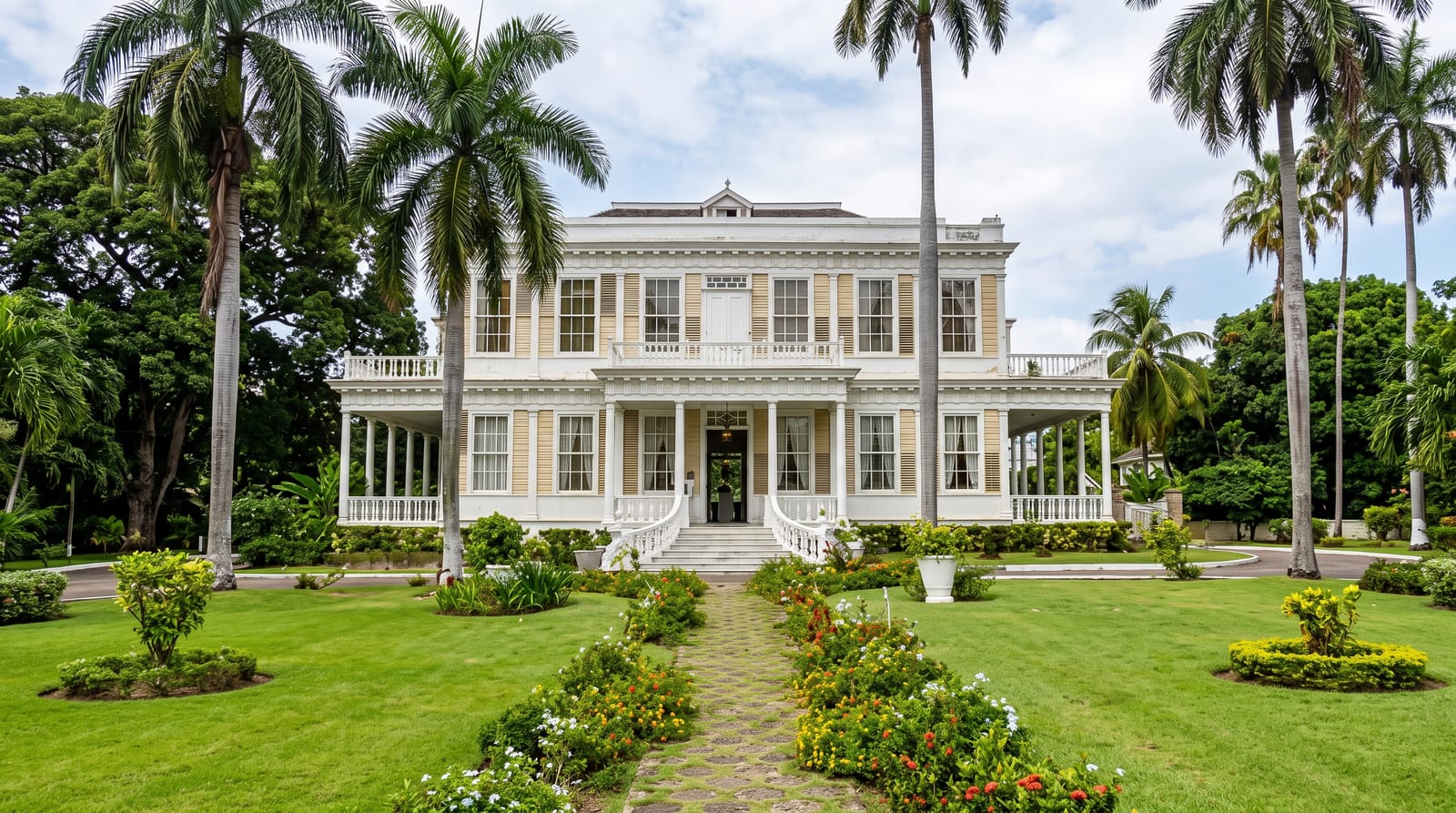
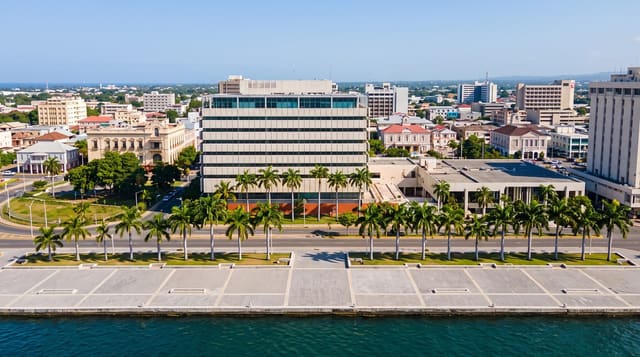
AI illustration
UNESCO World Heritage
For a few decades in the seventeenth century Port Royal was the busiest and richest port in the English Caribbean, built on trade and on the privateers licensed to raid Spanish shipping from it. On the seventh of June 1692 an earthquake liquefied the sand it stood on and roughly two-thirds of the town, some thirty-three acres, slid into the harbour in minutes, drowning thousands. The submerged town is still there, one of the most important underwater archaeological sites anywhere, with buildings standing on the seabed and objects preserved in the sediment, including a pocket watch stopped at the moment. What remains above water is a quiet fishing village with a fort, a church and very good fried fish.
History
The Taíno knew the spot as Caguay or Caguaya and used it on fishing trips, and the Spanish, who held Jamaica from 1494 to 1655, made little use of it beyond keeping the name. England took it in the invasion of 1655, and by 1659 two hundred houses, shops and warehouses stood around the fort; renamed Port Royal, it was the unofficial capital of Jamaica and, after Governor Edward D'Oyley invited the Brethren of the Coast to make it their home port in 1657, a base for privateers such as Christopher Myngs and Henry Morgan, who attacked Campeche, Panama, Portobello and Maracaibo from here. By 1692 about 6,500 people lived in some 2,000 buildings, and on 7 June 1692 an earthquake and tsunami sank much of the town: Fort Charles survived, but Forts James and Carlisle went into the sea. Kingston grew in its place, fires in 1703 and 1815 and the earthquake of 1907 struck what was rebuilt, and in 2025 the archaeological ensemble of 17th-century Port Royal became a World Heritage Site (Wikipedia, Port Royal).
Highlights
- Fort Charles - the surviving fort, with its tilted floor and gun deck.
- The sunken town - thirty-three acres on the harbour floor, studied by divers.
- The Giddy House - an artillery store left leaning by a later earthquake.
- The village - fishing boats, a seventeenth-century churchyard and fish shacks.
When to go
December to April is drier and calmest. Mornings are cooler for walking the fort and the spit. The village is quiet during the week and busier on Sundays when Kingston comes down for the fish.
Practical notes
The sunken town cannot be visited: diving on it is restricted to archaeological work, and the museum displays are modest, so what you actually see is a small fort and a village. Long-promised development has not materialised and much of the built heritage is in poor repair. The drive along the Palisadoes is exposed and floods in storms.
Nearby
Lime Cay boats leave from here; Kingston is half an hour up the spit.
What to pack for Port Royal
Chosen from what this place is for. Tap a kit for the full checklist.
- Travel rod + reel - A packable multi-piece rod fits in a case and covers most holiday fishing. Find on Amazon
- Your own mask + snorkel - A well-fitting mask is the single biggest comfort upgrade underwater. Find on Amazon
- Comfortable walking shoes - Sightseeing means kilometres of pavement and cobbles daily. Find on Amazon
- A small tackle selection - Hooks, weights, line and a few lures or flies suited to local waters. Find on Amazon
Some links on this page are Amazon affiliate links - if you buy through them we may earn a small commission at no extra cost to you.
All packing kitsPlan your trip
Where to start if Port Royal is going on the list.
Booking links on this page are affiliate links - if you book through them we may earn a small commission at no extra cost to you. It never changes what we write about a place.
Opening times, ticket prices and seasonal closures change - check the official source before you go: official site.