Sifnos
A Cycladic island of potters and cooks, with three hundred and sixty churches, terraced hills and a network of old paths.
Updated 19 October 2026
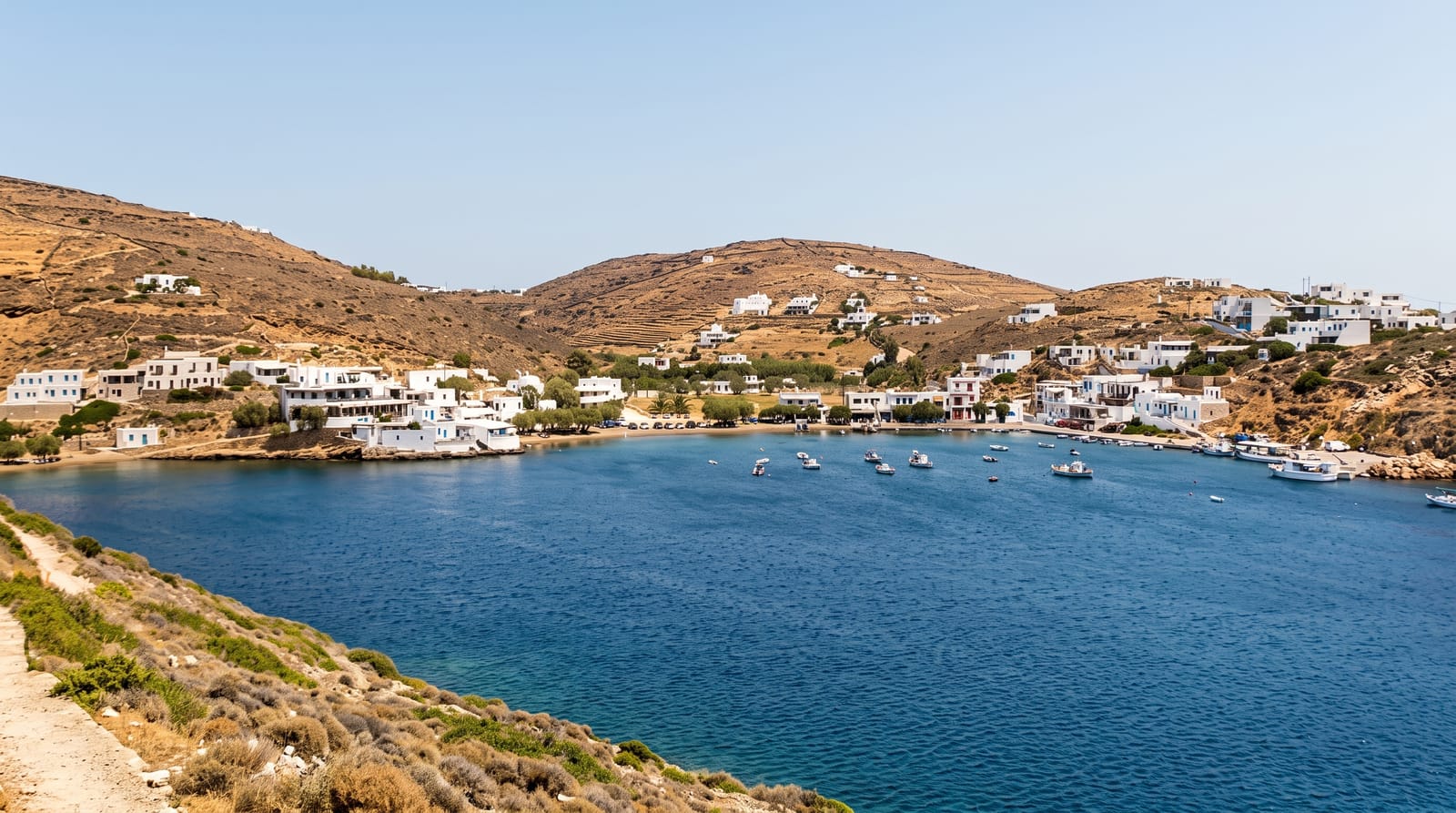
AI illustration
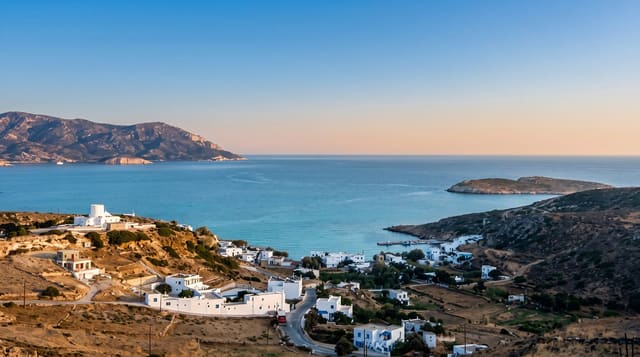
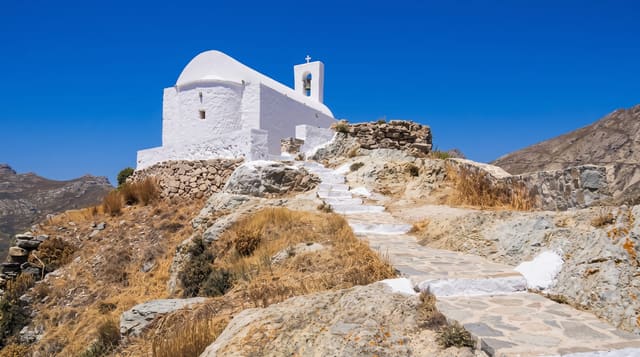
Sifnos built its reputation on two crafts. Pottery: the island's clay has been worked for millennia, and workshops still produce the brown glazed cookware, including the skepastaria and the mastelo pot, sold across Greece. And cooking: Nikolaos Tselementes, whose 1910 cookbook so dominated Greek kitchens that his name became the word for a cookbook, was born here, and the island keeps a strong food culture with slow-cooked chickpeas baked overnight in wood ovens. The landscape is terraced and dotted with white chapels, said to number 365, and a well-marked network of old stone paths, several hundred kilometres of them, links villages such as Apollonia, Artemonas, Kastro on its cliff, and the monastery of Chrysopigi on a rock joined by a footbridge.
History
Sifnos has been inhabited since at least 4000 BCE and belonged to the mainstream of Late Neolithic and Early Bronze Age Cycladic culture; in antiquity it was very rich from its gold, silver and lead mines. From perhaps the 12th century BCE it was settled mostly by Ionian Greeks from Athens, and in the sixth century BCE pirates from Samos invaded it; little is known of its Roman and Byzantine centuries, though Roman sarcophagi in the lanes of Kastro and 80 Byzantine coins in its museum show it stayed well populated (Wikipedia, Sifnos).
What you'll find
- Kastro - a medieval village on a cliff with ancient walls beneath it.
- Chrysopigi monastery - a white monastery on a rock with a footbridge.
- The pottery workshops - traditional clay cookware still being made.
- The path network - hundreds of kilometres of marked old stone routes.
When to go
May, June and September for walking and swimming together; the paths are best in spring when the terraces are green. August is busy and hot, and the meltemi can blow hard.
Before you go
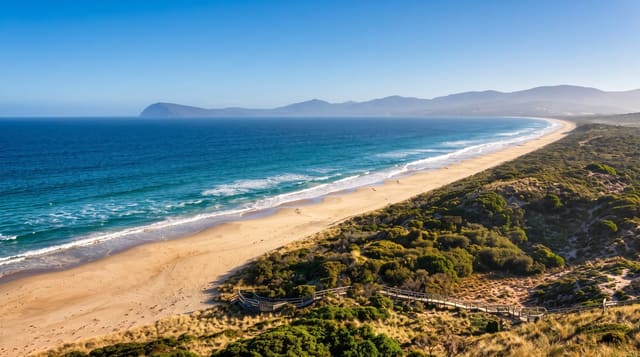
Beaches are modest, mostly small bays with limited shade. The island is popular with Athenians, so August books out. Accommodation and food prices are higher than on comparable islands, a consequence of the culinary reputation.
Nearby
Serifos lies north; Milos and Kimolos are south, all linked by the western Cyclades ferry line.
Key facts
Source: Wikidata, item Q212029, read on 18 October 2026.
What to pack for Sifnos
Chosen from what this place is for. Tap a kit for the full checklist.
- Reef-safe sunscreen - High SPF that will not bleach the coral you are swimming over. Find on Amazon
- Modest clothing - Shoulders and knees covered - the single most common requirement. Find on Amazon
- Shelter suited to the place - Tent, tarp or hut booking - match it to the terrain and rules. Find on Amazon
- Quick-dry towel - A microfibre towel packs small and dries in minutes. Find on Amazon
Some links on this page are Amazon affiliate links - if you buy through them we may earn a small commission at no extra cost to you.
All packing kitsPlan your trip
Where to start if Sifnos is going on the list.
Booking links on this page are affiliate links - if you book through them we may earn a small commission at no extra cost to you. It never changes what we write about a place.
Opening times, ticket prices and seasonal closures change - check the official source before you go: official site.