Kastraki
The village wedged directly beneath the Meteora rocks, where climbers stay and the towers rise from the back gardens.
Updated 4 September 2026

AI illustration
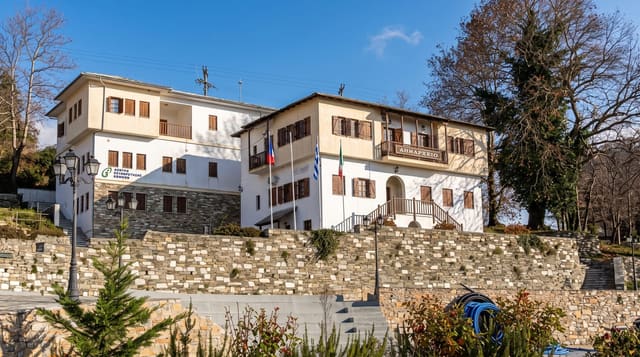
Kastraki sits so close under the Meteora pinnacles that the rock faces stand at the ends of its streets, and it is the quieter of the two bases for the monasteries, smaller and more village-like than Kalabaka next door. It is also the climbing centre: the sandstone-conglomerate towers around it have hundreds of routes, and the village fills each spring and autumn with climbers, guides and gear shops, a subculture that has grown here since German climbers opened routes in the 1970s. From the village, footpaths climb directly into the rocks, including the old paths to the monasteries used before the roads, and the sunset viewpoints face west across the pinnacles toward the Pindos.
The main sights
- The rock faces - Meteora towers rising straight from the village edge.
- The old footpaths - pre-road routes climbing to the monasteries.
- The climbing scene - routes, guides and gear shops through the season.
- The sunset viewpoints - western outlooks over the pinnacles.
When to go
April to June and September to October, the best climbing and walking conditions and the mildest weather. Summer is hot on the rock; winter is quiet, damp and often misty, which some find atmospheric.
Good to know
Kastraki has few services beyond guesthouses and tavernas, so most shopping happens in Kalabaka. The monastery visits require modest dress and involve many steps. Tour buses pass through in daytime, though they rarely stop in the village.
Nearby
Kalabaka is a fifteen-minute walk; the six working Meteora monasteries lie on the rocks above.
What to pack for Kastraki
Chosen from what this place is for. Tap a kit for the full checklist.
- Comfortable walking shoes - Sightseeing means kilometres of pavement and cobbles daily. Find on Amazon
- Modest clothing - Shoulders and knees covered - the single most common requirement. Find on Amazon
- A slim anti-theft daypack - Zips that close properly; keep it in front in crowds and on transit. Find on Amazon
- A scarf or shawl - To cover the head or shoulders on entry; women especially at mosques. Find on Amazon
Some links on this page are Amazon affiliate links - if you buy through them we may earn a small commission at no extra cost to you.
All packing kitsPlan your trip
Where to start if Kastraki is going on the list.
Booking links on this page are affiliate links - if you book through them we may earn a small commission at no extra cost to you. It never changes what we write about a place.
Opening times, ticket prices and seasonal closures change - check the official source before you go: official site.