Fort William
A British fort at Anomabo, rebuilt in the 1750s and used into the twentieth century as a prison.
Updated 1 September 2026
UNESCO World Heritage
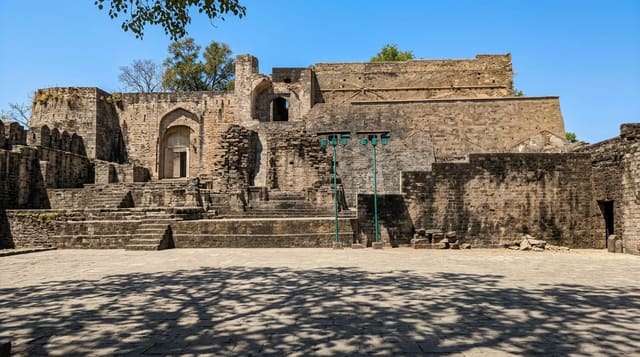
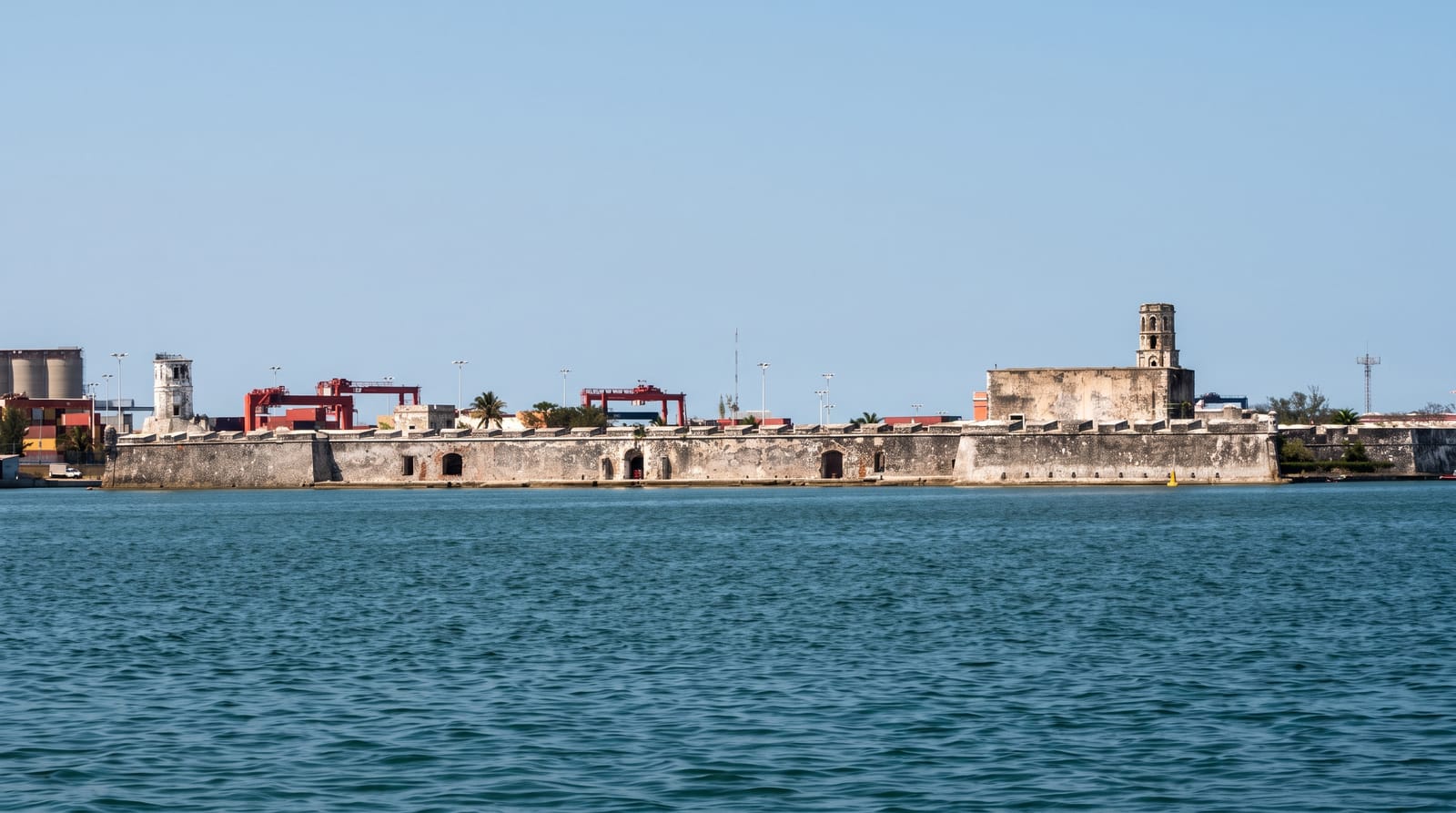
Fort William stands on the shore at Anomabo, built by the British between 1753 and 1760 on the site of earlier Dutch and English posts, and it is among the most substantial of the smaller coastal forts, with thick walls, corner bastions and a courtyard. Anomabo was one of the busiest points on this coast for the trade in enslaved people during the eighteenth century, and the fort was built to hold that trade against European rivals. After abolition it was used as a rest house and then, for much of the twentieth century, as a prison, which is why its interior was altered and why public access came late. It is one of the components of the World Heritage inscription covering the Ghanaian forts and castles.
Highlights
- The bastioned walls - the 1750s British structure facing the sea.
- The courtyard - the enclosure at the centre of the fort.
- Holding cells - the rooms used in the trade and later as prison cells.
- The Anomabo shore - the fishing beach the fort was built above.
When to go
November to March in the dry season for the easiest travel on the coast road. Mornings are cooler. The fort keeps daytime hours and visits are guided.
Good to know
Conservation is partial and parts of the structure are unstable or closed. The subject matter is the transatlantic slave trade and guides address it directly. Interpretation depends heavily on the individual guide. Facilities at the site are minimal.
Nearby
Cape Coast Castle lies west; Fort Amsterdam is east at Abandze.
What to pack for Fort William
Chosen from what this place is for. Tap a kit for the full checklist.
- Travel rod + reel - A packable multi-piece rod fits in a case and covers most holiday fishing. Find on Amazon
- Comfortable walking shoes - Sightseeing means kilometres of pavement and cobbles daily. Find on Amazon
- A small tackle selection - Hooks, weights, line and a few lures or flies suited to local waters. Find on Amazon
- A slim anti-theft daypack - Zips that close properly; keep it in front in crowds and on transit. Find on Amazon
Some links on this page are Amazon affiliate links - if you buy through them we may earn a small commission at no extra cost to you.
All packing kitsPlan your trip
Where to start if Fort William is going on the list.
Booking links on this page are affiliate links - if you book through them we may earn a small commission at no extra cost to you. It never changes what we write about a place.
Opening times, ticket prices and seasonal closures change - check the official source before you go: official site.