Fort San Antonio
A Portuguese-founded fort on a rock above Axim, the second oldest European structure on the Ghanaian coast.
Updated 1 September 2026
UNESCO World Heritage
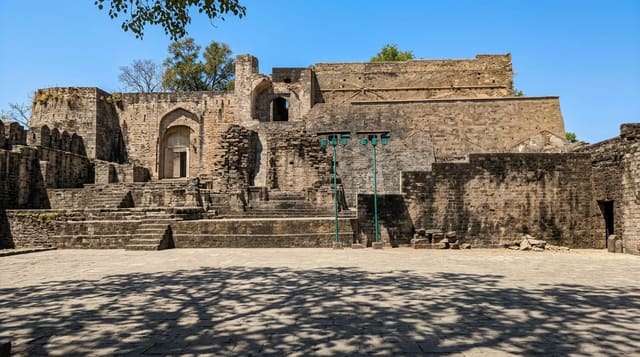
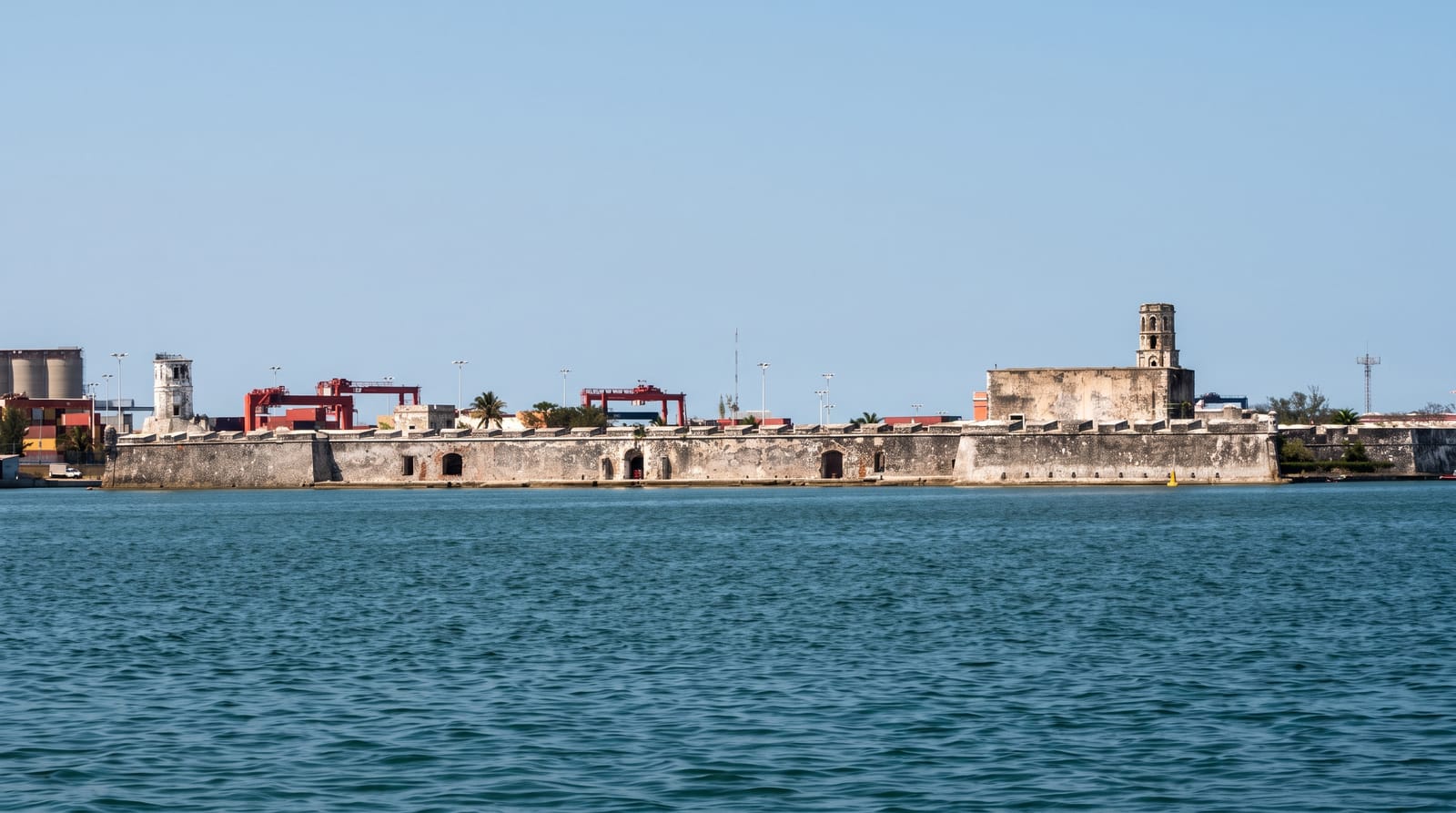
Fort St Anthony was founded by the Portuguese at Axim in 1515, which makes it the second oldest surviving European building on this coast after Elmina, and it stands on a rocky promontory above the town with the sea breaking below on three sides. The Dutch took it in 1642 and rebuilt it substantially, giving it the triangular plan and heavy bastions it has now, and it passed to Britain in 1872. Axim was a gold trading point before the traffic in people took over, and the fort served both. The structure is in reasonable condition with walls, gun platforms, cisterns and vaulted rooms, and the view along the coast is one of the best from any of the forts. It is part of the World Heritage inscription.
Highlights
- The promontory position - the fort on its rock above the sea.
- Dutch bastions - the heavy angled walls of the seventeenth-century rebuild.
- Cisterns and vaults - the water storage and rooms inside.
- The coastal view - the shoreline running east and west from the walls.
When to go
November to March for the dry season and easier road travel west. Mornings are cooler. The fort is open daytime hours with a resident guide.
What to expect
Parts of the structure are weathered and closed off. Interpretation is entirely through the guide and varies. Axim is a long drive from Cape Coast and Accra. Facilities at the site are basic.
Nearby
Princes Town lies west; Busua and Dixcove are east.
What to pack for Fort San Antonio
Chosen from what this place is for. Tap a kit for the full checklist.
- Comfortable walking shoes - Sightseeing means kilometres of pavement and cobbles daily. Find on Amazon
- A slim anti-theft daypack - Zips that close properly; keep it in front in crowds and on transit. Find on Amazon
- A refillable water bottle - Many cities have public fountains; save money and plastic. Find on Amazon
- A light layer + compact umbrella - For museum air-con and a sudden shower. Find on Amazon
Some links on this page are Amazon affiliate links - if you buy through them we may earn a small commission at no extra cost to you.
All packing kitsPlan your trip
Where to start if Fort San Antonio is going on the list.
Booking links on this page are affiliate links - if you book through them we may earn a small commission at no extra cost to you. It never changes what we write about a place.
Opening times, ticket prices and seasonal closures change - check the official source before you go: official site.