Morvan Regional Park
A block of granite hills and forest in the middle of Burgundy, whose oaks were floated to Paris as firewood.
Updated 4 September 2026

AI illustration
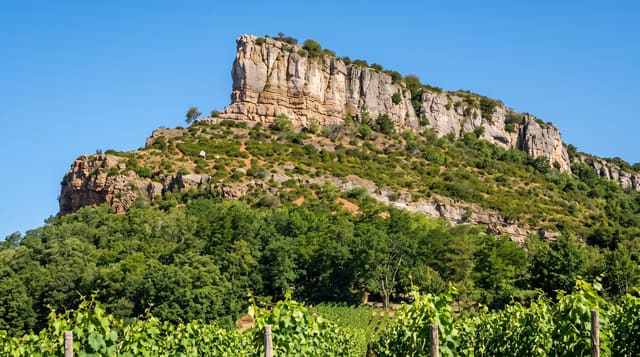
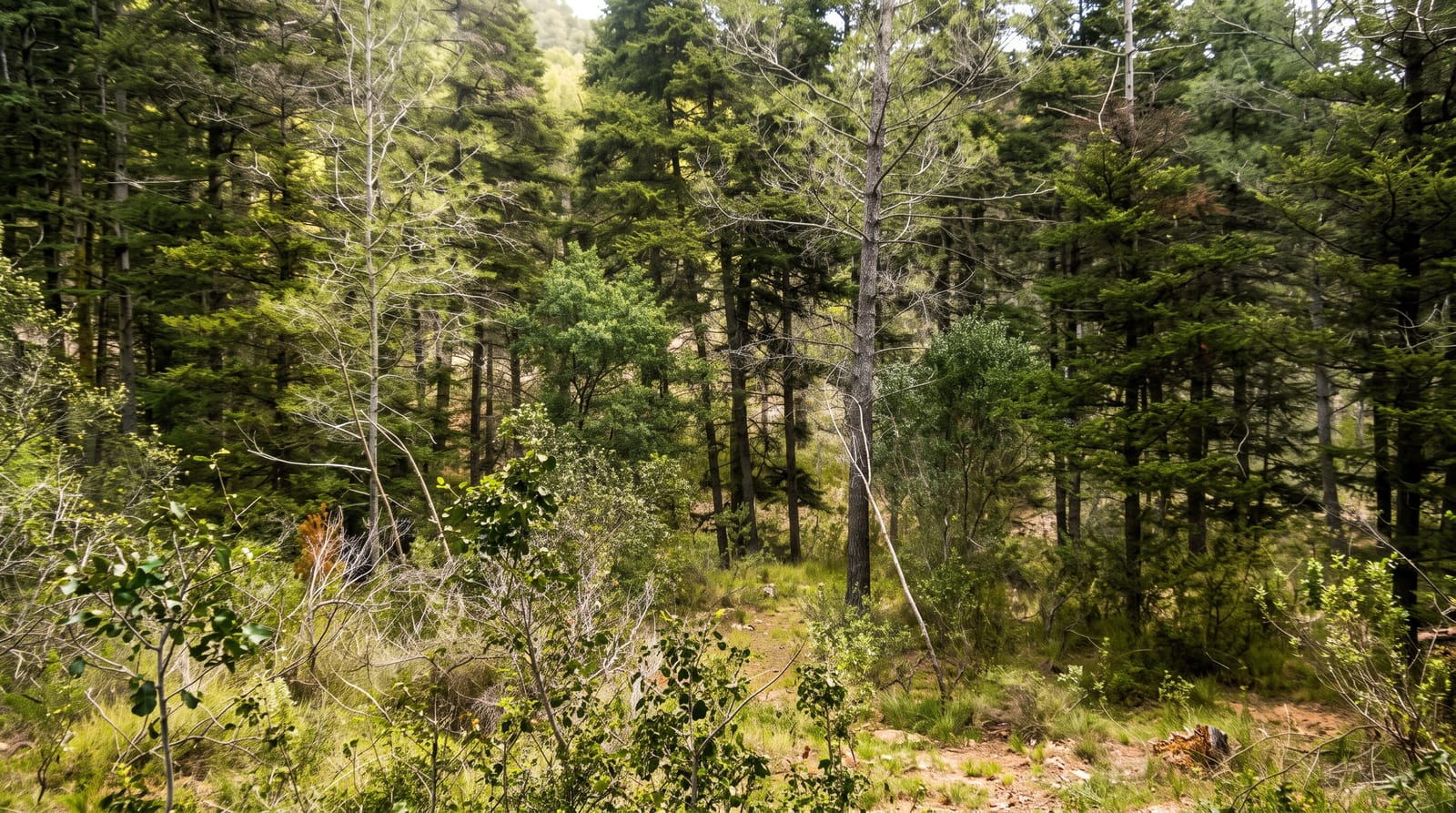
The Morvan is a granite massif rising out of the limestone plateaus around it, forested with oak, beech and planted conifer, cut by fast streams and holding six large reservoirs. For three centuries it heated Paris: wood was cut, stacked and released into the streams in a timed flood called the flottage a buches perdues, floating loose down to the Yonne and on to the capital, a trade that ended when coal and rail took over. Bibracte, a Celtic hilltop town of the Aedui on Mont Beuvray, was a capital before the Romans and is now an excavation with a museum. Vezelay's basilica stands at the northern edge.
What you'll find
- The forested hills - granite country of oak, beech and conifer.
- Bibracte - an excavated Celtic hill town with a museum on Mont Beuvray.
- The reservoirs - lakes at Settons, Panneciere and Chaumecon for water sports.
- The flottage traces - remains of the log-floating trade in the valleys.
When to go
May to October; the Morvan is wet and cold in winter with snow on the tops. Autumn colour is good. Whitewater on the Cure and Chalaux depends on dam releases.
Practical notes
It rains here more than in the rest of Burgundy, which is why it is green. Villages are small with limited services. Distances between sites are longer than the map suggests on winding roads.
Nearby
Vezelay lies north; Autun is south.
What to pack for Morvan Regional Park
Chosen from what this place is for. Tap a kit for the full checklist.
- Broken-in walking shoes or boots - Grip and ankle support matter more than looks; never hike in brand-new boots. Find on Amazon
- Quick-dry clothing - Board shorts or synthetics that shrug off spray and dry fast. Find on Amazon
- Warm base layers - Merino or synthetic against the skin - never cotton, which chills when damp. Find on Amazon
- Modest clothing - Shoulders and knees covered - the single most common requirement. Find on Amazon
Some links on this page are Amazon affiliate links - if you buy through them we may earn a small commission at no extra cost to you.
All packing kitsPlan your trip
Where to start if Morvan Regional Park is going on the list.
Booking links on this page are affiliate links - if you book through them we may earn a small commission at no extra cost to you. It never changes what we write about a place.
Opening times, ticket prices and seasonal closures change - check the official source before you go: official site.