Dijon Old Town
The dukes of Burgundy's capital, followed on foot by a trail of bronze owls set into the pavement.
Updated 4 September 2026

AI illustration
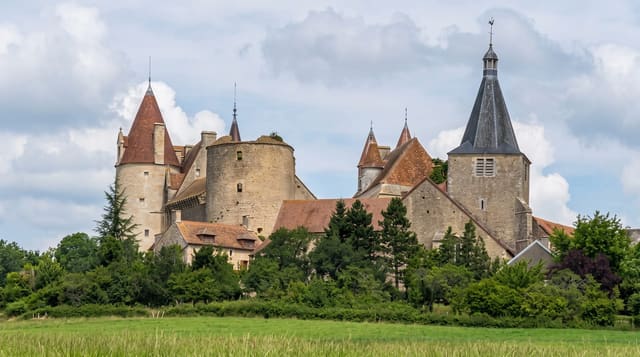
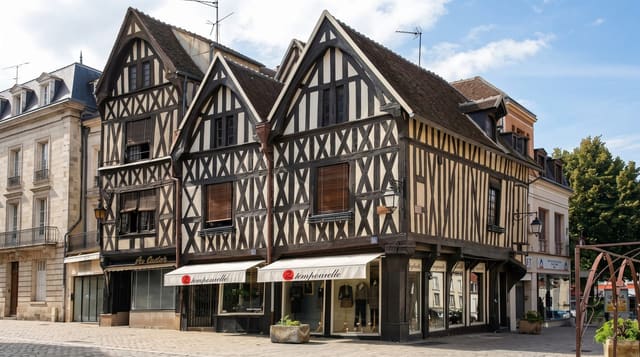
Dijon escaped wartime bombing, so its centre kept a dense run of timber-framed houses, hotels particuliers and glazed polychrome roof tiles in the Burgundian pattern. The Palace of the Dukes stands at the heart of it, now the town hall and the Musee des Beaux-Arts, which holds the extraordinary carved and gilded tombs of the Valois dukes. A stone owl carved on a buttress of Notre-Dame has been rubbed for luck for centuries, worn almost smooth, and the tourist office marks a walking route through the old town with bronze owl plaques in the pavement, twenty-two of them, called the Parcours de la Chouette.
What to look for
- The owl trail - twenty-two bronze plaques marking a walking route.
- The ducal tombs - carved and gilded Valois tombs in the fine arts museum.
- The glazed roofs - Burgundian polychrome tiles in geometric patterns.
- The worn owl - the luck-rubbed carving on Notre-Dame's wall.
When to go
April to October; the fine arts museum is free and open year-round except Tuesdays. The Cite de la Gastronomie and food markets are good in any season. Autumn is harvest time in the vineyards south.
Before you go
Museum sections close on rotation during long restoration campaigns. The owl trail is easy to lose without the leaflet or app. Mustard sold in tourist shops is mostly not made from local seed.
Nearby
Beaune lies south; the Cote de Nuits vineyards start at the edge of town.
What to pack for Dijon Old Town
Chosen from what this place is for. Tap a kit for the full checklist.
- Broken-in walking shoes or boots - Grip and ankle support matter more than looks; never hike in brand-new boots. Find on Amazon
- Comfortable walking shoes - Sightseeing means kilometres of pavement and cobbles daily. Find on Amazon
- Layers + a waterproof shell - Mountain weather turns fast; a packable rain jacket saves the day. Find on Amazon
- A slim anti-theft daypack - Zips that close properly; keep it in front in crowds and on transit. Find on Amazon
Some links on this page are Amazon affiliate links - if you buy through them we may earn a small commission at no extra cost to you.
All packing kitsPlan your trip
Where to start if Dijon Old Town is going on the list.
Booking links on this page are affiliate links - if you book through them we may earn a small commission at no extra cost to you. It never changes what we write about a place.
Opening times, ticket prices and seasonal closures change - check the official source before you go: official site.