Canal Saint-Martin
A canal Napoleon ordered to bring drinking water in, now iron footbridges, locks and a two-kilometre tunnel.
Updated 4 September 2026
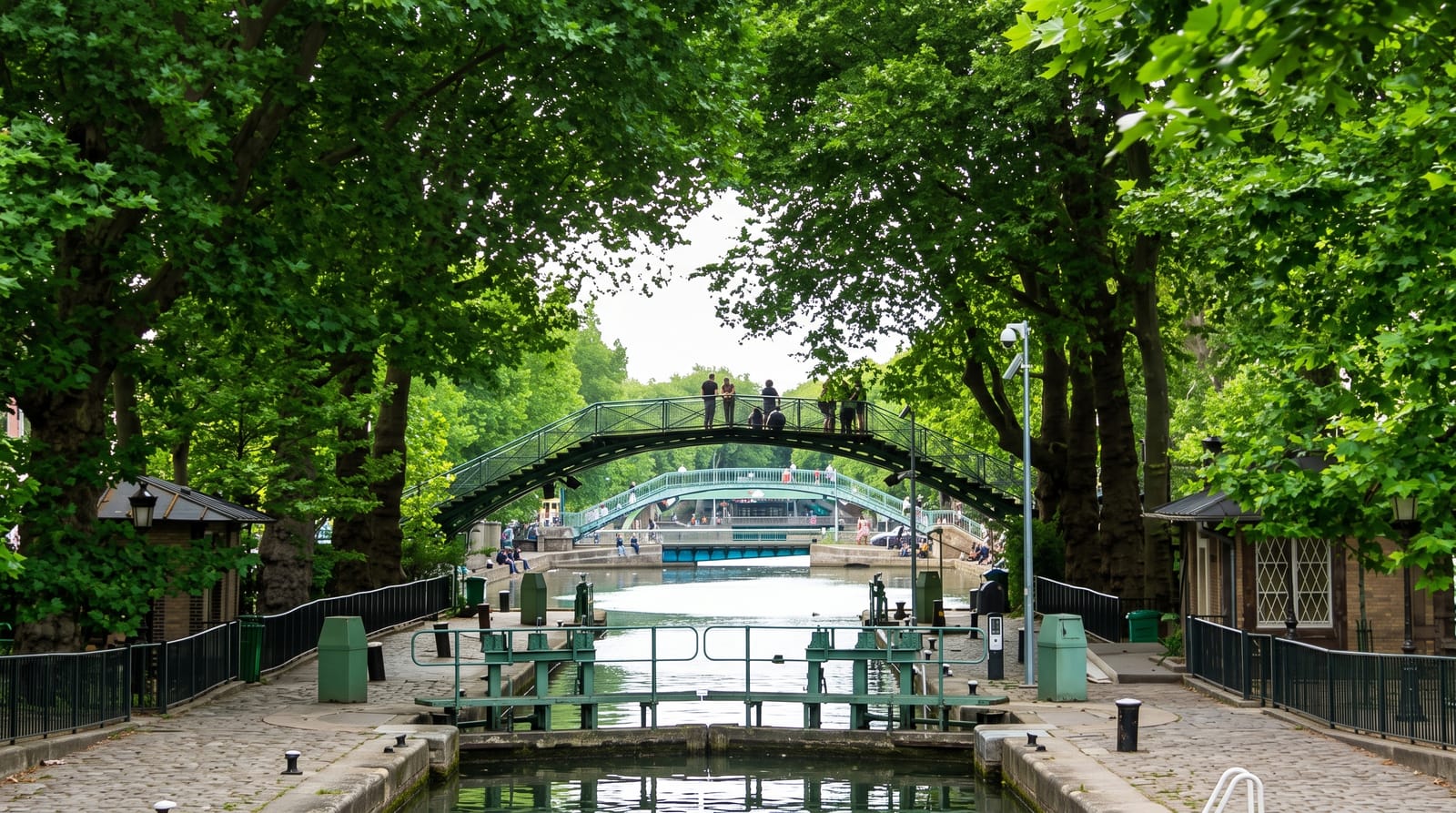
AI illustration
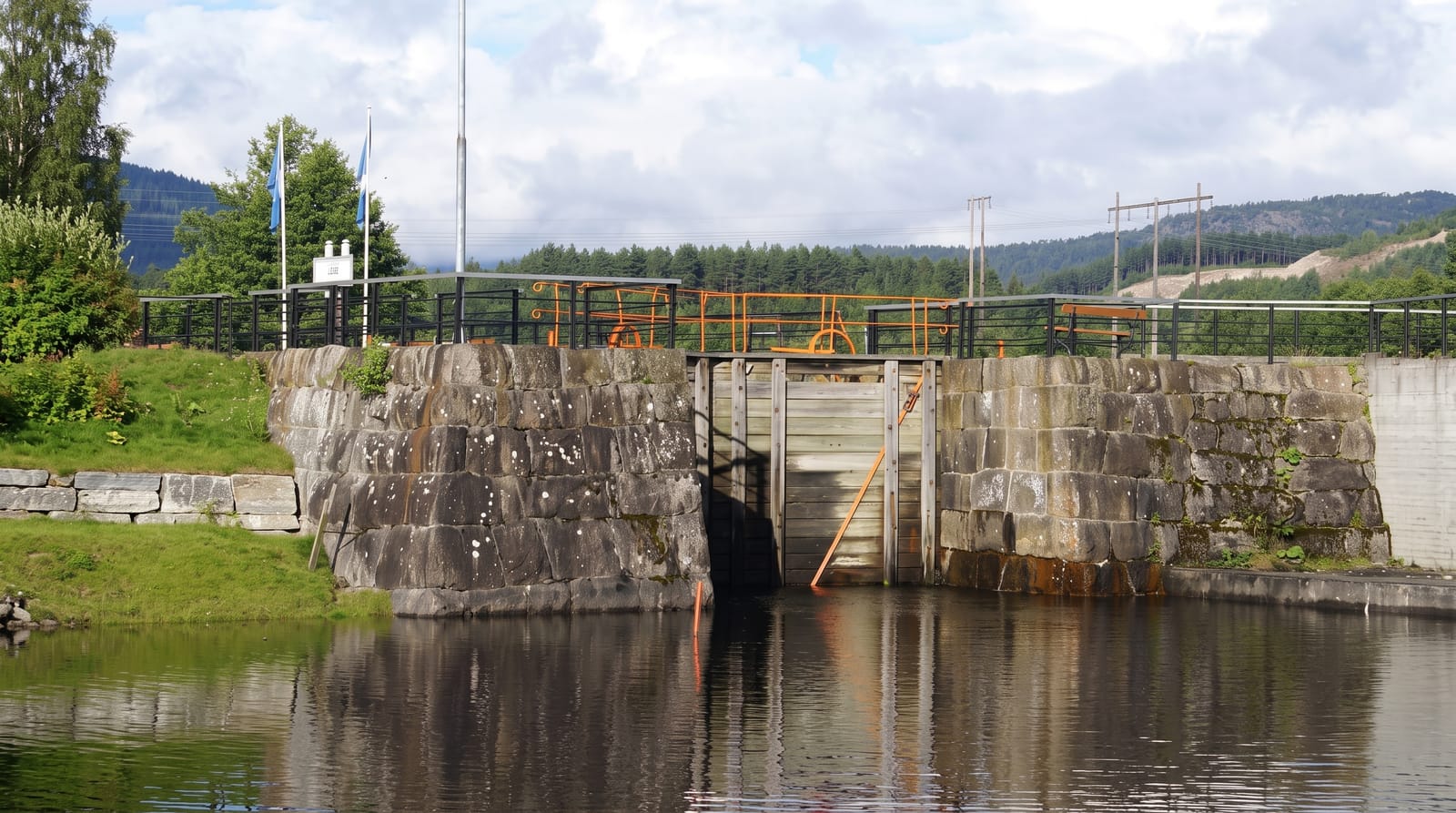
Napoleon ordered the canal in 1802 to bring fresh water into a city with a chronic supply problem, and it opened in 1825, later carrying grain, building materials and coal. Its character comes from the engineering: nine locks lift boats over about twenty-five metres, arched iron footbridges cross at intervals, and the southern stretch runs underground for a little over two kilometres beneath Boulevard Richard-Lenoir, covered over in the nineteenth century, with light shafts down to the water. Boat trips run the full length including the tunnel. The banks are closed to traffic on Sundays and fill with people sitting on the edge.
The main sights
- The iron footbridges - arched crossings over the locks and basins.
- The lock sequence - nine locks raising boats through the city.
- The covered stretch - two kilometres of tunnel with light shafts.
- The Sunday banks - roads closed and the quays given to walkers.
When to go
April to October, and Sundays when the roads alongside close to cars. Boat trips through the tunnel run in season and book up. The canal is drained for cleaning every ten to fifteen years.
Before you go
The area is busy and noisy on summer evenings with litter a recurring complaint. Boat trips are slow, around two and a half hours. The underground section is dark with little to see beyond the shafts.
Nearby
Republique lies south; the Bassin de la Villette is north.
What to pack for Canal Saint-Martin
Chosen from what this place is for. Tap a kit for the full checklist.
- Head torch + spare batteries - Hands-free light is essential; caves are truly dark. Find on Amazon
- Comfortable walking shoes - Sightseeing means kilometres of pavement and cobbles daily. Find on Amazon
- Grippy closed shoes - Cave floors are wet, muddy and slick with formations. Find on Amazon
- A slim anti-theft daypack - Zips that close properly; keep it in front in crowds and on transit. Find on Amazon
Some links on this page are Amazon affiliate links - if you buy through them we may earn a small commission at no extra cost to you.
All packing kitsPlan your trip
Where to start if Canal Saint-Martin is going on the list.
Booking links on this page are affiliate links - if you book through them we may earn a small commission at no extra cost to you. It never changes what we write about a place.
Opening times, ticket prices and seasonal closures change - check the official source before you go: official site.